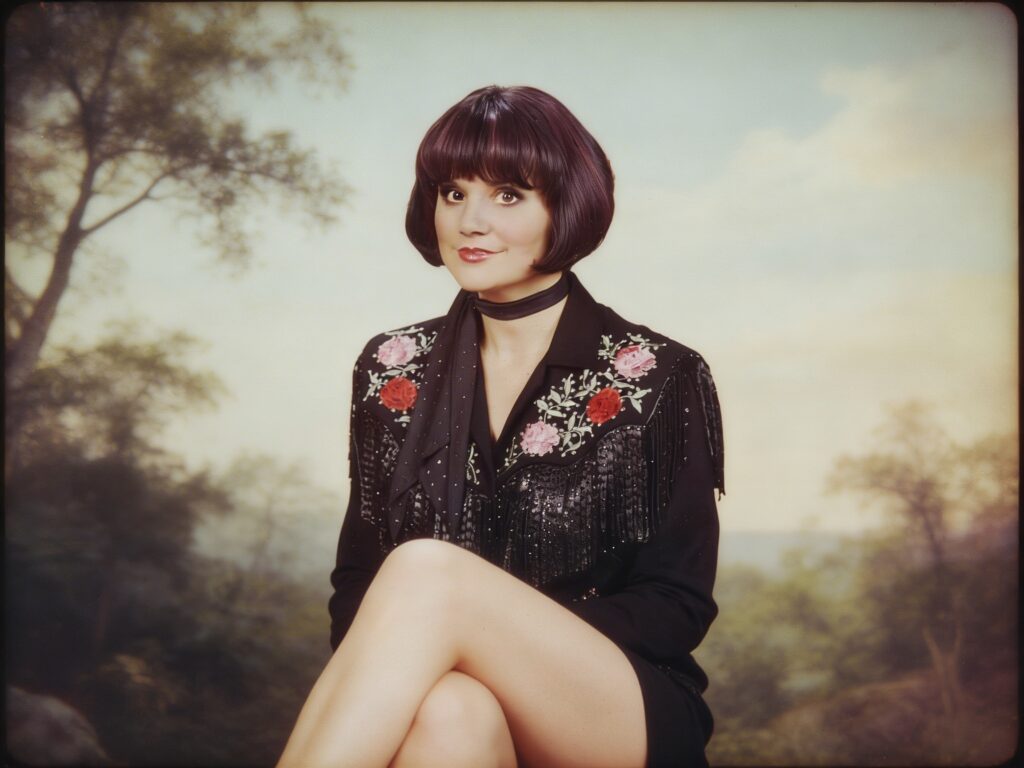
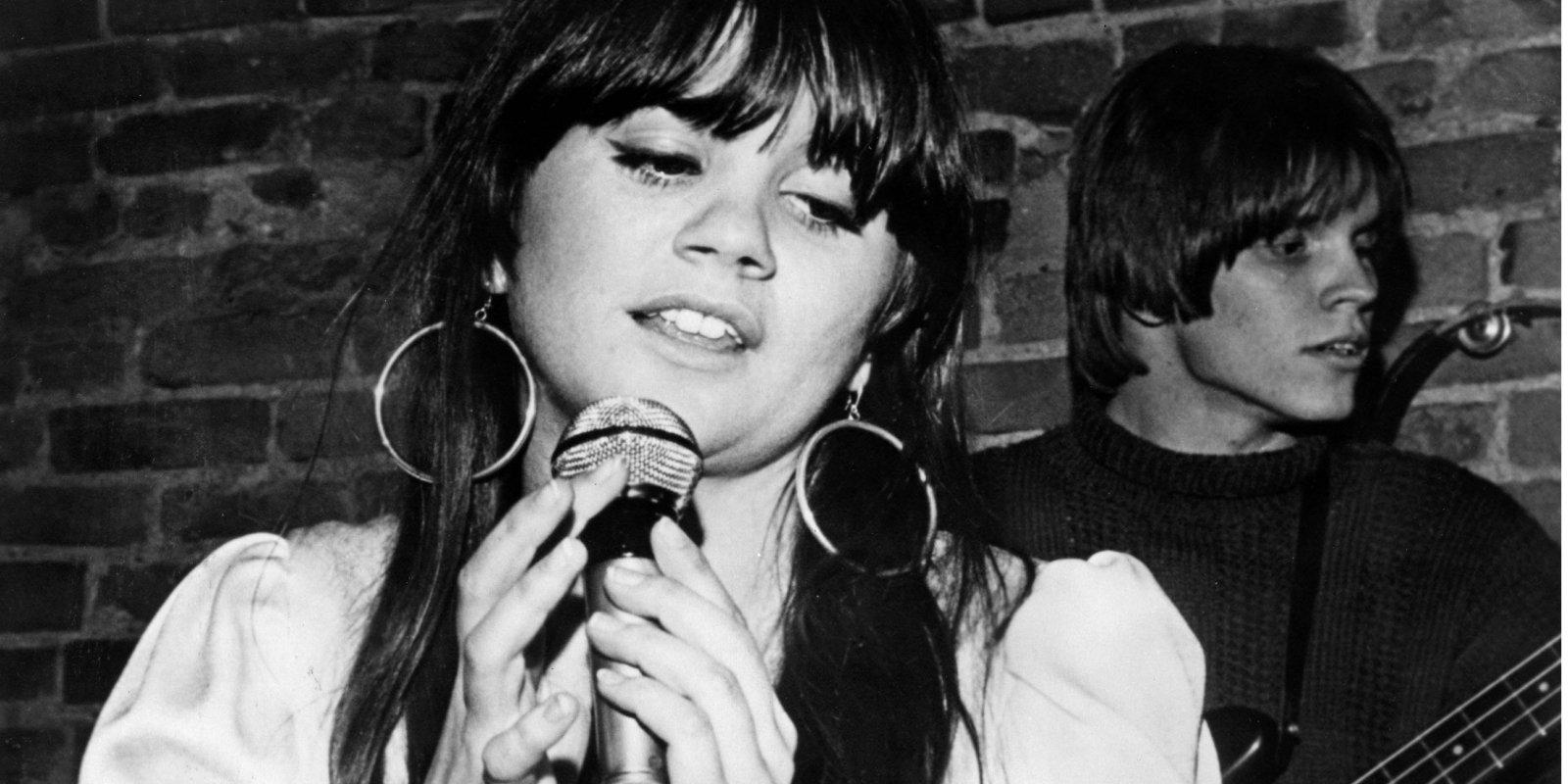
For an album that crossed borders with astonishing grace, “Por Un Amor (For a Love)” showed that Linda Ronstadt was not stepping away from soul at all—she was walking deeper into it.
There are records that succeed because they follow the moment, and there are records that astonish because they seem to answer something older, something buried in family memory and carried quietly for years. Linda Ronstadt’s “Por Un Amor (For a Love)” belongs to that second kind of story. By the time Canciones de Mi Padre arrived in November 1987, Ronstadt had already lived several musical lives in public view—rock star, ballad singer, interpreter of standards, a voice large enough to make almost any room feel suddenly personal. Yet this album startled the industry because it asked her to do something far more intimate than reinvention. It asked her to return home, not in geography, but in inheritance. The album went on to reach No. 42 on the Billboard 200, won the Grammy for Best Mexican/Mexican-American Album, and became the best-selling non-English-language album in U.S. history, with more than 2 million certified sales in America.
Inside that remarkable achievement, “Por Un Amor” feels like one of the clearest proofs of what Ronstadt had really done. This was not a celebrity detour, not a polished borrowing of another tradition for atmosphere or prestige. The album itself was conceived as an homage to the songs she had learned from her father’s side of the family, and that gives every performance a different emotional weight. Ronstadt was not crossing into unfamiliar territory as a tourist; she was stepping into a language of memory, ancestry, and feeling that had been near her all along. The official biographical material around the album makes that plain, describing Canciones de Mi Padre as a tribute to music she learned from parents, grandparents, siblings, and cousins in childhood. Once you hold that in mind, “Por Un Amor” sounds less like a genre exercise than like a private inheritance finally sung in full public light.
That is what makes the performance so moving. A song like “Por Un Amor” requires more than vocal control; it requires surrender to a feeling older than style. Ronstadt had all the technical gifts one could ask for, but technique alone would never have carried this album into history. What listeners heard was conviction. They heard an artist who understood that sorrow in this tradition is not merely dramatic display. It has dignity. It has ritual. It has the ache of love made almost ceremonial through melody. Ronstadt does not flatten that feeling into crossover ease. She enters it respectfully and fully, and because of that, the song never sounds like a translation of emotion into another market. It sounds lived.
The album’s larger setting only deepens that impression. Canciones de Mi Padre drew on the strength of leading mariachi ensembles, including Mariachi Vargas de Tecalitlán, Mariachi Los Camperos, and Mariachi Los Galleros de Pedro Rey, while Rubén Fuentes served as arranger and co-producer alongside Peter Asher. That musical world matters, because it means Ronstadt was not softening the tradition to make it easier for mainstream ears. She brought herself to the tradition, rather than forcing the tradition to bend toward her. In “Por Un Amor,” that choice can be felt in the depth of the phrasing, in the emotional seriousness of the arrangement, and in the refusal to treat heartbreak as something decorative.
There is a special beauty in how naturally soul survives the crossing here. The old fear in the industry, spoken or unspoken, is often that once an artist leaves the language or style that made them famous, some essential part of their identity will be lost. Ronstadt proved the opposite. The soul was never in the category. It was in the honesty. It was in the phrasing, the ache, the willingness to let a song carry memory without vanity. “Por Un Amor” makes that truth impossible to miss. Even listeners who came to the album without fluency in Spanish could hear the emotional authority in it, and that may be one reason the record’s success became so historic. It was not merely admired as a bold idea; it was embraced because the feeling came through whole.
What remains so striking now is how inevitable it all sounds in retrospect. At the time, the move could still seem surprising—a major American star making a full album of traditional Mexican songs and watching it become a landmark. But when “Por Un Amor” plays, surprise gives way to recognition. Of course a voice like Linda Ronstadt’s could live here. Of course an artist shaped by deep family song would eventually find her way back to this material. Of course the soul remained intact, because it had been there from the beginning.
So the industry may have been stunned by Canciones de Mi Padre, but the music itself does not sound like a stunt or a gamble. It sounds like arrival. In “Por Un Amor (For a Love),” Linda Ronstadt did something more lasting than cross borders. She dissolved the idea that those borders had ever truly contained her at all.
