
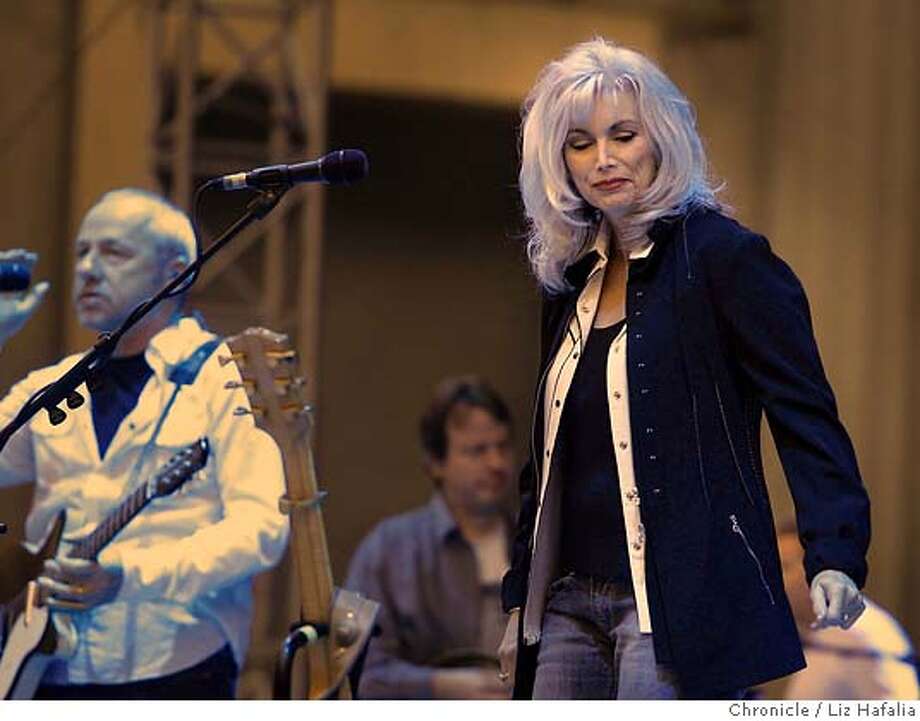
In “California Cotton Fields,” work, distance, and dignity meet in a song that lets hardship ache without ever losing its humanity.
There was always something special about Emmylou Harris when she stepped into a song already carrying dust on its sleeves. She never treated sorrow as something to dramatize for effect. She sang it as though she had walked beside it long enough to know its weight, and in “California Cotton Fields – 2003 Remaster,” that gift becomes unmistakable. The performance is full of labor, distance, and tired love, yet nothing in it feels coarse or overplayed. It is a working-class song, certainly, but it reaches beyond category. In Emmylou’s voice, it becomes the sound of endurance made graceful.
The version most listeners now know under that title is the 2003 remaster issued on the expanded reissue of Pieces of the Sky, her major-label breakthrough, first released on February 7, 1975. That album was the one that truly launched her, rising to No. 7 on Billboard’s country albums chart, and over the years it came to be seen as the record that announced just how unusual she was—an artist able to move through country, folk, and heartbreak with a kind of luminous steadiness. “California Cottonfields” was added later as a bonus track on the 2004 reissue, which is why the remaster wording can make the song seem newer than its emotional world really is. In spirit, it belongs to the same early Emmylou moment when her voice still felt like a revelation.
What makes the song so affecting is the life already buried inside it before Emmylou ever touched it. “California Cotton Fields” was written by Dallas Frazier and Earl Montgomery, and the song has long been understood as a portrait of Dust Bowl migration and working poverty, one of those American stories where movement is not freedom but necessity. The title alone holds that tension beautifully. California suggests promise, a distant place where survival might still be possible. Cotton fields suggest toil, heat, bent backs, and the old bargain in which hope arrives with blisters on its hands. That contrast gives the song its emotional depth before the first line is even sung.
When Emmylou Harris sings it, she does something quietly remarkable. She does not harden the song to prove its authenticity. She does not roughen her voice to imitate struggle. Instead, she brings grace to it, and that grace makes the hardship cut even deeper. The people inside a song like this do not need to be shouted into life; they need to be seen. Emmylou sees them. She gives the lyric room to breathe, and because of that, the weariness in the song feels intimate rather than theatrical. One hears fields, certainly, and travel, and labor, but one also hears the fragile inward life that survives such conditions. That is where her soul has always lived as a singer—not in excess, but in compassion.
It helps, too, that Pieces of the Sky was already an album built on emotional intelligence rather than mere genre polish. The record moved easily from “Boulder to Birmingham” to “Coat of Many Colors” to “For No One,” showing from the start that Emmylou’s instincts were wide-ranging and deeply literary in feeling. In that company, “California Cotton Fields” makes perfect sense. It carries the same devotion to beautifully written songs, the same tenderness toward people standing close to loss, and the same refusal to turn vulnerability into spectacle. Critics and retrospective reviewers have often pointed to the album as the record that established her singular approach—traditional in its roots, but far more emotionally expansive than the usual boundaries of country radio might have suggested.
There is something else that gives the performance its lasting beauty. Songs about labor can sometimes become trapped inside sociology, admired for what they represent more than for what they feel like. Emmylou avoids that entirely. In her hands, the song remains human first. The working-class ache is there, but so is the softness that people protect inside themselves even when life has asked too much of them. She never lets hardship become abstract. She sings as if these lives were close enough to touch.
That may be why the track lingers so powerfully now. Even attached to a later remaster label, it does not feel like an archival curiosity. It feels alive. It feels like one of those songs that reminds you how much tenderness country music can hold when it is sung by someone who understands that dignity is often quiet. Not triumph, not self-pity, not grand statement—just people carrying more than they should have to carry, and a voice merciful enough to honor them without ever looking away.
So when Emmylou Harris sings “California Cotton Fields,” she gives the song exactly what it needs: not added drama, not borrowed grit, but grace strong enough to hold suffering without diminishing it. And that is what makes the performance so beautiful. The fields are still there. The burden is still there. But in her voice, the heart inside the hardship keeps shining through.
