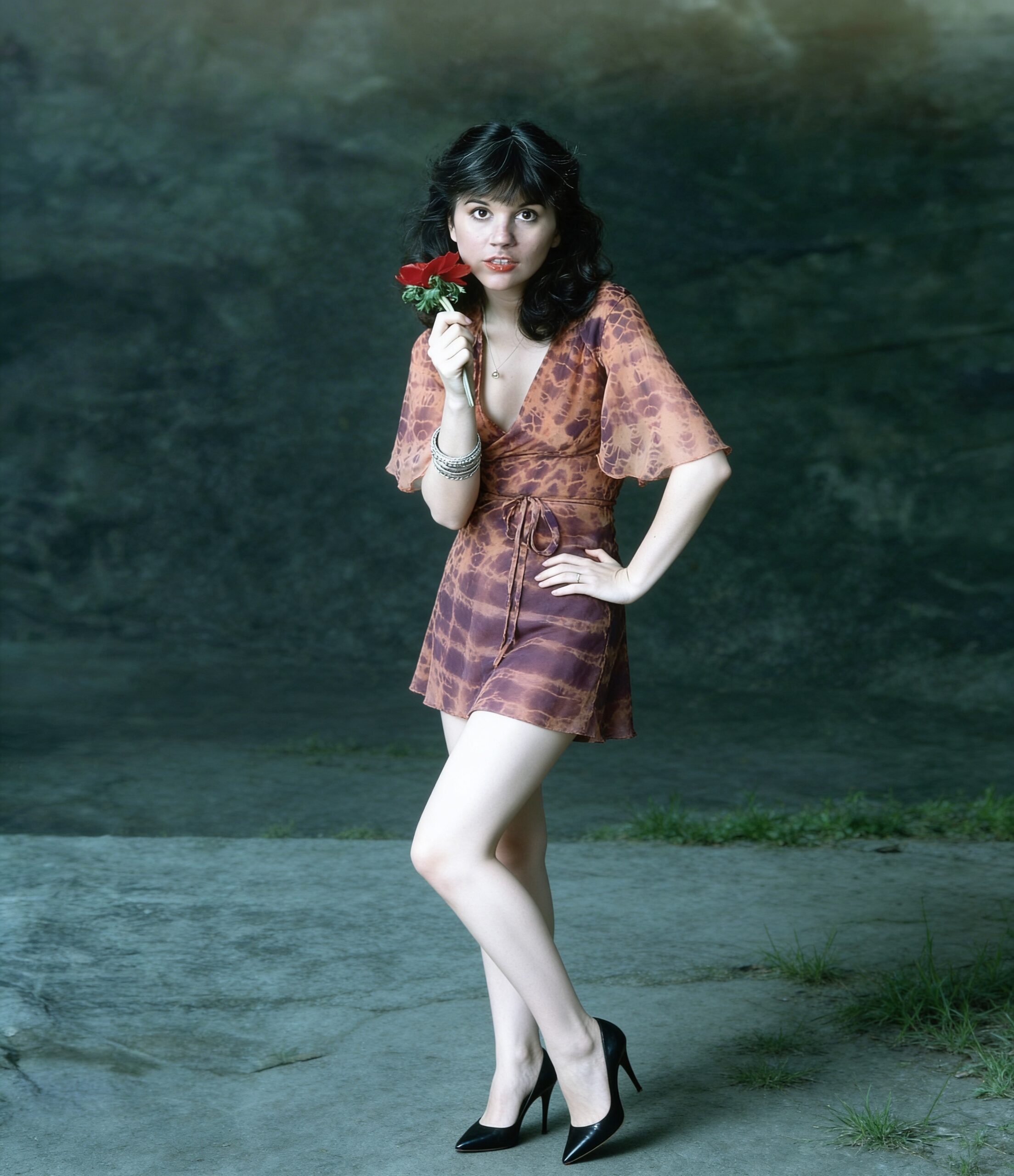
In Linda Ronstadt’s 1973 performance of The First Cut Is the Deepest on ABC In Concert, heartbreak feels less like a scene and more like a private truth suddenly heard in public.
There are live performances that entertain, and then there are live performances that seem to reveal an artist in the very act of becoming fully herself. Linda Ronstadt’s rendition of The First Cut Is the Deepest during the 1973 ABC In Concert broadcast commonly associated with The Moon And Stars Concert belongs in that second category. Long before the chart-topping glory of Heart Like a Wheel, before You’re No Good made her an undeniable commercial force, Ronstadt was already doing something harder to explain and impossible to fake: she was singing with emotional authority that felt lived-in, vulnerable, and utterly unforced.
It is important to note that this particular 1973 live television performance was not a charting single for Ronstadt. In fact, she never turned The First Cut Is the Deepest into one of her signature chart releases in the way some later artists did. The song’s earliest chart success came from P.P. Arnold, whose 1967 recording of the Cat Stevens-written composition reached No. 18 on the UK Singles Chart. That matters here, because by the time Ronstadt sang it on television in 1973, the song already carried a reputation as one of those deceptively simple pieces that reveal a singer’s depth almost immediately. It was never just a sad lyric. It was a test of emotional honesty.
Written by a very young Cat Stevens, The First Cut Is the Deepest is built on a truth that remains painfully recognizable: first love leaves a wound that later romances never quite erase. Many songs about lost love reach for grand statements, but this one works differently. Its power lies in resignation. The narrator is not merely remembering heartbreak; the narrator is measuring every future feeling against an earlier hurt that still has not let go. That emotional structure is exactly what made it such rich material for Ronstadt. She was never a singer who needed to overstate sorrow. Her gift was in making ache sound natural, almost conversational, as if the feeling had arrived before the performance did.
Seen in the context of 1973, the performance becomes even more meaningful. Ronstadt was still on the road toward the breakthrough that would soon place her at the center of American popular music. She had already earned deep respect as a live performer and recording artist, and Don’t Cry Now arrived that same year, helping push her toward a wider audience. But this was still a moment before the biggest commercial rewards. That is part of what gives the ABC In Concert appearance its special glow. National television captured her before superstardom wrapped everything in hindsight. What we see instead is an artist with nothing to hide behind but phrasing, tone, restraint, and truth.
What makes Ronstadt’s interpretation so memorable is the absence of excess. She does not treat The First Cut Is the Deepest as a showcase piece in the flashy sense. She leans into its bruised wisdom. The melody rises, but she keeps the emotional center grounded. There is a kind of discipline in the way she allows the lyric to breathe. Rather than pushing the song toward melodrama, she lets it remain human-sized, and that makes it hit harder. With many singers, this composition can sound like a declaration. With Ronstadt, it sounds like recognition. She seems to understand that the deepest emotional songs are often the least theatrical ones.
That was one of the essential qualities that set Linda Ronstadt apart in the early 1970s. She could move between rock, country, folk, and pop without losing the emotional thread. In a live setting, especially one as exposed as television, that ability mattered even more. ABC In Concert was known for presenting artists in a relatively direct performance environment, and that format suited her. There was little room for studio polish to soften the edges. What remained was the voice itself: clear, aching, and remarkably sure of what a song needed. In this performance, Ronstadt does not simply sing about heartbreak; she gives the lyric a sense of memory, as though the pain has settled into the bones rather than erupting all at once.
There is also something moving about hearing this song from Ronstadt at that exact point in her story. Later, the numbers would come. Heart Like a Wheel would reach No. 1 on the Billboard 200, and her place in American music would be secured beyond argument. But performances like this remind us that the success did not arrive out of nowhere. The greatness was already there in plain sight. It lived in moments like this one, when she could take a song written by someone else, already known in another voice, and make it feel newly personal without ever distorting its core meaning.
That is why this 1973 ABC In Concert version still lingers. It is not merely a curiosity from before fame. It is a portrait of artistic character. The First Cut Is the Deepest has been recorded many times, and some versions became bigger commercial events. But Ronstadt’s performance carries a different kind of weight. It reminds us that the most unforgettable live singing is rarely about vocal force alone. It is about emotional proportion, about knowing exactly how much pain a line can bear, and about trusting silence and restraint as much as sound.
For anyone who loves the era when television could still catch an artist in a nearly unguarded musical moment, this performance remains a treasure. Linda Ronstadt stands at the threshold of her greatest fame, singing a song about the scar that comes first and lasts longest. In doing so, she leaves behind one of those beautiful early documents that explains, without needing to say it outright, why audiences believed her then and why they still do now.
