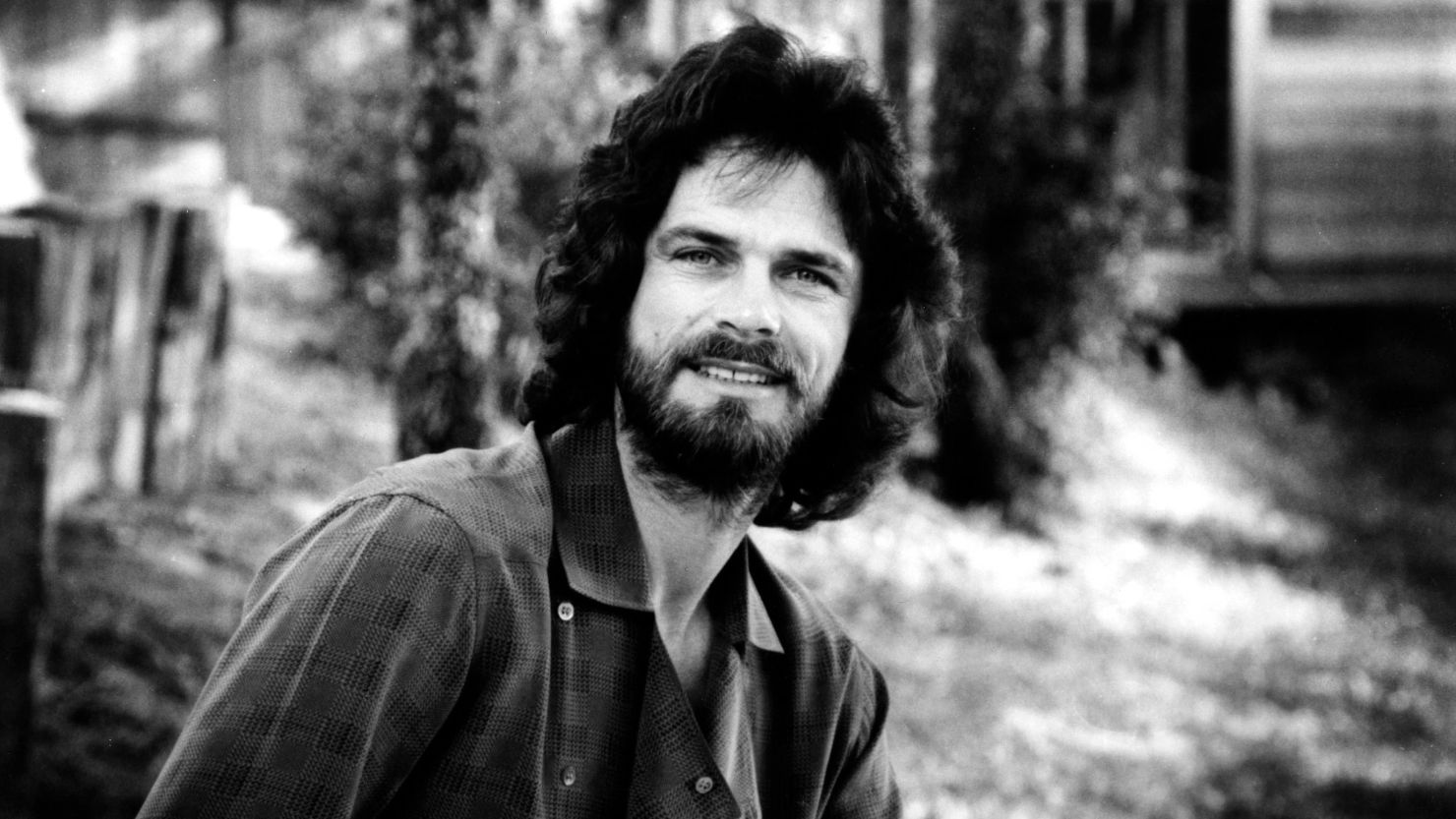
“Raindrops Keep Fallin’ on My Head” is one of those rare songs that smiles through disappointment, turning a rainy day into a quiet lesson in grace, lightness, and inward courage.
When B.J. Thomas sang “Raindrops Keep Fallin’ on My Head,” he was not singing a song of defeat at all. He was singing a song of composure. That is why it has lasted. Released in 1969 for Butch Cassidy and the Sundance Kid, the song rose with remarkable ease to No. 1 on the Billboard Hot 100, where it stayed for four weeks in January 1970, becoming the first American chart-topper of the new decade. In the UK, it reached No. 38. It also carried enough charm and distinction to win the Academy Award for Best Original Song, with Burt Bacharach and Hal David honored for one of the most graceful popular songs ever written for film.
But the most valuable part of the story is not really the trophy, nor even the chart triumph. It is this: the version heard in the film was recorded while B.J. Thomas was recovering from laryngitis, which left his voice slightly rougher, more fragile, more human. That small imperfection became part of the song’s lasting magic. There is a tenderness in that vocal, a lived-in warmth, as though the singer is not standing above trouble, but walking through it with a gentle shrug and a half-smile. Sometimes a song endures because everything was polished to perfection. This one endured because it carried a little weather inside the voice itself.
The second precious detail is tied to the film that introduced it to the world. “Raindrops Keep Fallin’ on My Head” was written for Butch Cassidy and the Sundance Kid, and its light, breezy tone was unusual enough that not everyone first believed it belonged in a Western. Yet that very contrast is what made it unforgettable. Against the dusty legend of outlaws and open country, this song arrived like sunlight after a passing storm—playful, unhurried, unexpectedly modern. It gave the film a moment of pure ease, and in doing so, gave the song a permanent place in memory. What might once have seemed like a gamble became one of the most beloved musical moments in American cinema.
And perhaps that is the heart of the song’s meaning. Hal David’s lyric does not deny hardship. The rain is real. The trouble is real. The mismatch between oneself and the world is real too. But the singer refuses to surrender his spirit to it. He does not thunder against fate. He does not beg for rescue. Instead, he meets inconvenience with wit, patience, and a kind of inward poise. That is a rarer strength than grand defiance. “Raindrops Keep Fallin’ on My Head” tells us, softly, that sorrow is not always conquered by force. Sometimes it is outlived by temperament.
That is why the song still feels so comforting after all these years. It does not lecture. It does not strain for profundity. It simply moves with that familiar Bacharach elegance—easy on the ear, but wiser than it first appears. And in B.J. Thomas’s voice, the melody becomes more than catchy; it becomes companionable. One hears not just a hit record, but a way of carrying oneself through ordinary disappointment. The world may remain imperfect, the sky may stay overcast a little longer than we hoped, but the heart need not darken with it.
It is also worth remembering just how widely this modest little song traveled. It was not merely a film tune that came and went with the season. It became an international success, topped charts in multiple countries, and ended up ranked by Billboard as one of the biggest songs of 1970. Yet its success never made it feel heavy with importance. That is part of its charm. It remains airy, gracious, almost conversational—as though it has no wish to impress us, only to sit beside us for three minutes and leave us feeling a little lighter than before.
So when “Raindrops Keep Fallin’ on My Head” returns, it does not return like a monument. It returns like a familiar window opening after rain. There is B.J. Thomas, singing with that slightly weathered ease. There is the wisdom of Burt Bacharach and Hal David, hiding philosophy inside a melody that seems to float. And there is that gentle, abiding message at the center of it all: no, life does not always fit neatly; no, clouds do not part on command; but yes, happiness still has a way of finding those who keep walking with grace. That is why this song still glows. It does not pretend the rain will never fall. It simply reminds us that the soul can remain sunlit anyway.
