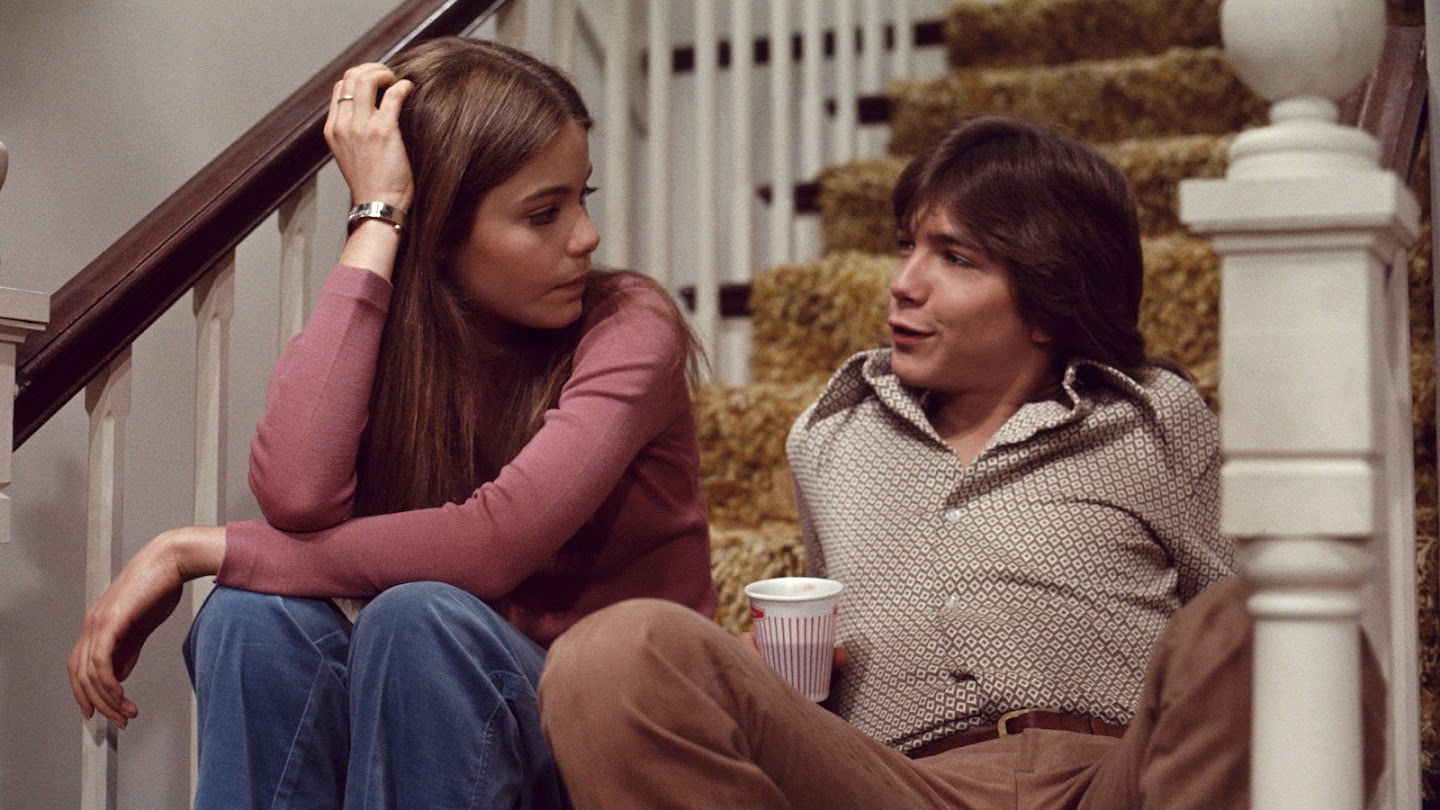
On “Bandala”, The Partridge Family turned a young singer’s voice into part of the show’s carefully polished dream.
“Bandala” appeared on The Partridge Family’s 1970 debut LP, The Partridge Family Album, the record that arrived alongside the hit television series and helped turn a fictional family band into a real pop presence. Released on Bell Records, the album is best remembered for “I Think I Love You”, the Tony Romeo-written single that became a major radio hit and fixed David Cassidy in the public imagination almost overnight. But tucked inside that same bright debut was a smaller, stranger, revealing detail: on “Bandala”, Cassidy’s lead vocal was notably sped up in the studio so that it would sound younger.
That detail matters because The Partridge Family was never simply a band in the ordinary sense. It was a television concept, a pop-recording enterprise, a family fantasy, and a carefully managed star-making machine all at once. The songs had to work on radio, but they also had to fit the weekly image of a bus-traveling household group fronted by the clean, charming figure of Keith Partridge. Cassidy, born in 1950, was already a young adult when the series began, but the character he played belonged to a sweeter and more adolescent screen world. The studio did not merely record his voice; on this track, it adjusted the age that voice seemed to carry.
Sped-up vocals can sound like a small technical footnote, but they alter far more than pitch. They can tighten the grain of a singer’s tone, lift the brightness of vowels, compress the sense of breath, and remove some of the natural weight that lets a voice reveal maturity. In “Bandala”, that treatment gives Cassidy’s singing a lighter, more boyish surface, one that matches the record’s playful pop architecture. The result feels almost like a costume placed over the vocal itself. The singer is present, but he is being framed through the needs of a character, a show, and a market that wanted innocence to sound unmistakable.
There is a particular tension in hearing the track now. David Cassidy would later be recognized not only as a teen idol but as a serious vocalist who often pushed against the limits of the image built around him. His real singing voice had warmth, control, and an emotional directness that could carry more complexity than the television packaging allowed. On “Bandala”, however, that voice is pulled upward, made brighter and smaller, as if the record itself were trying to keep him inside the outline of the boy on the screen. It is not a scandalous detail, nor even an unusual one for pop production. Studio manipulation has always been part of recorded music. But here it becomes unusually symbolic.
The early Partridge Family records were built with professional craft. Like many television-linked pop projects of the era, they drew on experienced Los Angeles musicians, arrangers, producers, and background singers who understood how to make a song feel immediate through a small radio speaker. The records were designed to be polished, catchy, and instantly legible. They were not trying to document a garage band learning together in real time. They were creating a sound-world: clean harmonies, brisk rhythms, sunny hooks, and a lead voice that could stand for youthful longing without disturbing the fantasy around it.
That is why “Bandala” is more interesting than its place as a debut-album cut might suggest. The song itself moves with the buoyant energy expected from early 1970s bubblegum pop, but the vocal treatment leaves behind a clue about how identity was being engineered. Cassidy’s voice was not only carrying melody; it was being asked to carry an illusion of age, charm, and harmlessness. The audience heard a young star arriving, but the tape machine had already participated in deciding what kind of young he should sound like.
Listening from a distance of decades, the sped-up vocal can make the record feel both charming and slightly exposed. The brightness still works. The pop surface still has its cheerful momentum. Yet beneath it is the question of what happens when a singer’s natural tone is reshaped to satisfy an image before the public has fully learned who he is. For Cassidy, whose fame would become both a gift and a burden, that question follows the music in a way that feels quietly revealing.
“Bandala” may not be the song most casual listeners name first when they think of The Partridge Family. But it opens a small door into the machinery behind the sparkle. It lets us hear the moment when a voice was treated as both a musical instrument and a branding problem, both a human sound and a television requirement. And once that is heard, the track becomes more than a piece of bright album filler. It becomes a reminder that even the sunniest pop records can contain the faint outline of a negotiation: between performer and product, singer and character, natural voice and manufactured youth.
