
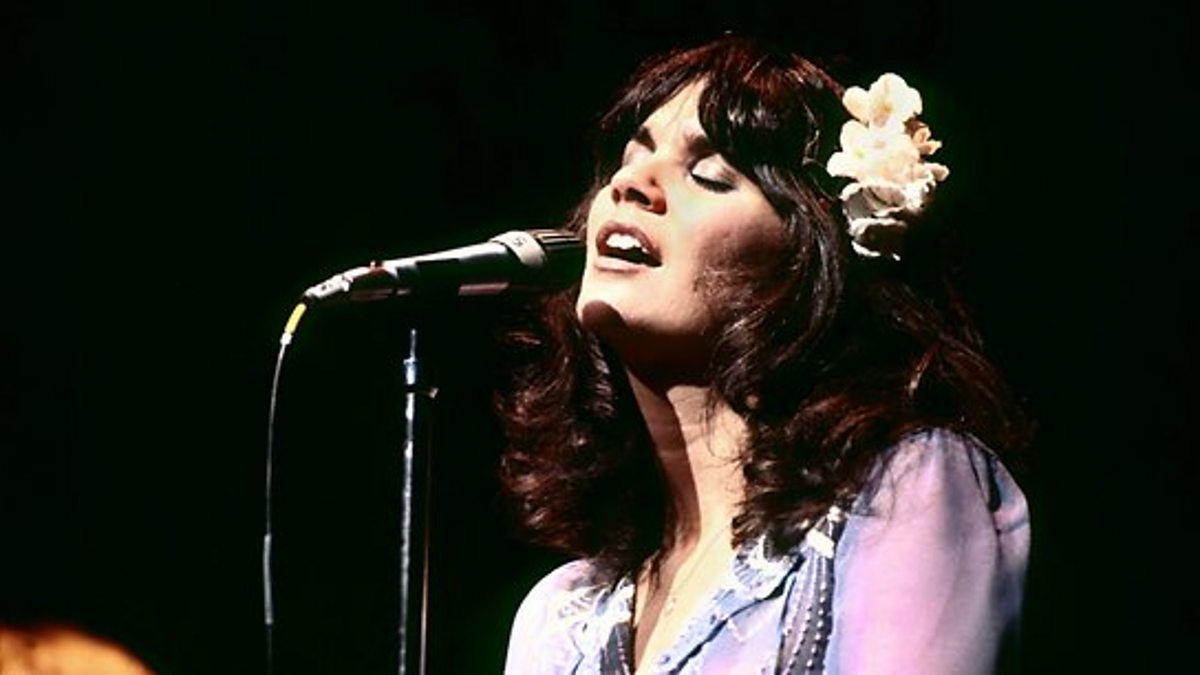
On The Pain of Loving You, Emmylou Harris helped turn an old country duet into one of Trio‘s most haunting moments, where harmony did not soften the hurt so much as deepen it.
When Trio arrived in 1987, it did not feel like an ordinary album release. It felt like a long-promised meeting of musical temperaments: Dolly Parton, Linda Ronstadt, and Emmylou Harris, three artists with very different timbres and histories, finding a common room inside American song. The album reached No. 1 on Billboard’s Top Country Albums chart and climbed to No. 6 on the Billboard 200, proof that this was more than a tasteful side project. But some of its deepest power was never in the obvious hit moments. It lived in the quieter tracks, especially The Pain of Loving You, where the trio transformed an already sorrowful song into something almost suspended in time.
The song itself was not new. It belonged to the earlier duet world of Dolly Parton and Porter Wagoner, a world of country storytelling built on tenderness, ache, and that delicate line between devotion and emotional fatigue. In its earlier form, The Pain of Loving You carried the recognizable grammar of a duet: one voice answering another, love presented as a conversation, a wound shared but still divided between two people. By the time it entered Trio, the emotional geometry had changed. This was no longer a man-and-woman exchange. It became a three-part meditation, and that shift altered the song’s center of gravity.
That is where Emmylou Harris matters so profoundly. Her voice had long been one of the great shaping forces in harmony singing: high, clear, lightly weathered, with a sadness that never had to advertise itself. On The Pain of Loving You, Harris does not overpower the arrangement, and that restraint is precisely the point. She helps create the hush. The record does not plead. It does not dramatize. It seems to breathe its sorrow rather than announce it. In that atmosphere, her presence becomes essential, because she gives the blend a floating, haunted edge that keeps the performance from sounding merely pretty. It sounds lived in.
What makes the 1987 version so enduring is the way the three voices refuse to compete. Dolly Parton‘s writing has always understood how pain can be plainspoken and poetic at once, and the lyric here is a classic example of that gift. The title alone says almost everything: love is not denied, but it is costly; feeling deeply is also a burden. In the original duet framing, that truth carried an intimate back-and-forth tension. In Trio, the harmonies blur ownership of the hurt. No one voice claims the whole sorrow. Instead, the lament seems to rise out of the blend itself. That makes the song feel less like a conversation between lovers and more like a shared human recognition that some affections leave a mark no matter how faithfully they are held.
This is also one of the finest examples of what Trio did better than almost any prestige collaboration of its era. Many all-star records settle for admiration. This one reached revelation. The album’s best performances did not simply gather famous singers around a microphone; they rediscovered familiar material by changing its emotional light. The Pain of Loving You is a perfect case. The performance is measured, unhurried, and almost devotional in its quietness. There is no need for vocal showmanship because the arrangement understands something older country music often knew well: understatement can cut deeper than display.
For listeners who first knew the song through Porter Wagoner and Dolly Parton, the Trio reading can feel like hearing the same sorrow after years have passed. Not a different sorrow, but a matured one. Time has settled into it. The edges are less sharp, yet somehow the ache is wider. That is one reason the track lasts. It does not chase novelty. It reveals what was always waiting inside the song. And because Emmylou Harris, Linda Ronstadt, and Dolly Parton sing with such disciplined intimacy, the record never loses its emotional credibility. It stays close to the bone.
There is another reason the performance continues to resonate. So much country heartbreak is built around confession, confrontation, or release. The Pain of Loving You offers almost none of that. It gives us endurance instead. The lyric accepts that love and suffering may arrive braided together, and the 1987 arrangement does not try to untie them. It simply lets that truth hang in the air. In an age when many records reached for bolder production and louder emotional signals, Trio trusted silence, spacing, and blend. That trust is part of what made the album timeless, and part of what makes this track one of its secret centers.
So when people remember Trio, they often begin with the chart success, the Grammy recognition, or the thrill of hearing three celebrated artists finally share a full album. All of that matters. But the album’s soul may be heard just as clearly in this modest, aching performance. On The Pain of Loving You, Emmylou Harris helped turn an already fine country song into a hushed lament of remarkable staying power. It remains one of those recordings that seems to grow quieter as the years pass, and yet more piercing. That is a rare gift in music: not just to survive time, but to sound truer because of it.
