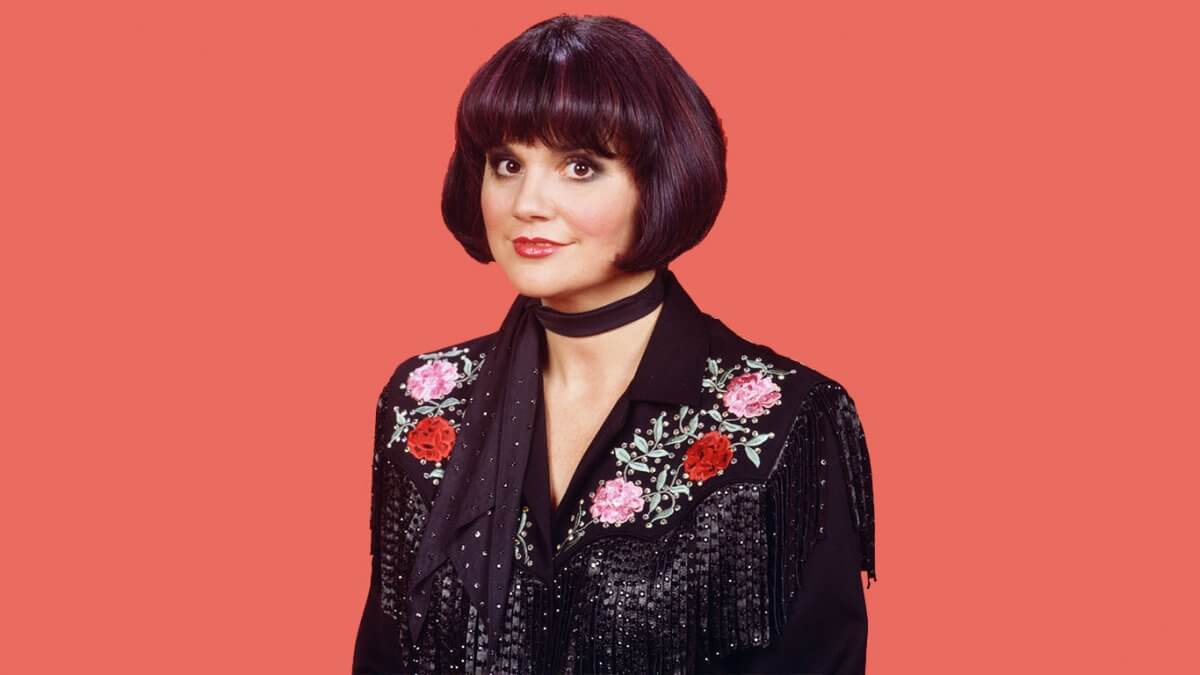
Linda Ronstadt turned Ooh Baby Baby into a study in restraint, proving that a nearly whispered confession can hit harder than a scream.
There are performances that impress because they are big, and there are performances that stay with you because they seem to be holding something back. Linda Ronstadt’s reading of “Ooh Baby Baby” on her 1978 album Living in the U.S.A. belongs firmly in the second category. It was a hit, reaching No. 7 on the Billboard Hot 100 and No. 2 on the Adult Contemporary chart, but chart numbers only tell part of the story. What makes this recording endure is the astonishing discipline in Ronstadt’s voice. She does not overpower the song. She does not decorate it for the sake of showing off. Instead, she narrows the emotional space, lowers the temperature, and lets the ache do the work.
That mattered even more in the context of Living in the U.S.A., an album that itself reached No. 1 on the Billboard 200 and confirmed Ronstadt as one of the defining American voices of the era. The record carried energy, confidence, and the polished authority she had built through the 1970s, yet “Ooh Baby Baby” feels like the room suddenly going quiet. In the middle of a career often celebrated for strength, range, and command, this track reminds you that control may have been her most underrated gift of all.
The song, of course, came with history. Smokey Robinson and the Miracles first released “Ooo Baby Baby” in 1965, and Smokey, who co-wrote it with Pete Moore, built it as a fragile apology rather than a grand romantic declaration. That is one reason the original never loses its power. It is not really a love song in the easy sense. It is a song about regret, about someone admitting fault with almost childlike helplessness: I did you wrong, my heart went out to play. The Miracles’ version rose to No. 16 on the Billboard Hot 100 and No. 4 on the R&B chart, and it became one of the great pieces of Motown vulnerability.
When Ronstadt approached it more than a decade later, she made the smartest choice possible: she did not try to “beat” Smokey Robinson at his own game. There is no imitation here, no attempt to copy his feathery phrasing or that miraculous sense of wounded softness that seemed to float out of him naturally. Ronstadt instead translates the emotion into her own vocal language. Her voice carries more body, more earth, more center. Where Smokey sounds as if the sorrow might vanish into air, Ronstadt makes it feel anchored in the chest. The result is not lighter soul, but deeper stillness.
That is what makes the performance so devastating. Listen closely and what you hear is not absence of power, but mastery over power. She keeps the vibrato in check. She shapes the ends of lines with exquisite care. She understands that this lyric cannot survive theatrical excess. The song needs hesitation, gentleness, and the sound of someone trying to hold herself together while admitting something painful. Ronstadt gives it exactly that. The high notes do not explode; they bloom and then recede. The famous title phrase lands not as ornament, but as surrender.
Producer Peter Asher deserves credit for helping create the frame around that voice. The arrangement is polished, yes, but not crowded. It leaves room for breathing space, and breathing space is everything in a performance like this. Ronstadt had made her name through rock, country-rock, pop standards, and material that often let her cut loose. Here, she and Asher understand that the song needs patience more than momentum. The recording does not rush to its emotional payoff. It lets the wound remain open.
That patience is also why the track felt so at home in the late 1970s while still carrying the soul of the mid-1960s. Ronstadt’s version is smoother, more contemporary in production, and unmistakably tied to the elegant studio craft of its time. Yet the emotional core remains old-fashioned in the best sense: direct, humble, unguarded. In an era that could lean toward glossy surfaces, she preserved the trembling human center of the song. That balancing act is harder than it sounds. Many technically gifted singers can sing softly. Far fewer can make softness feel consequential.
And that is the deeper meaning of this performance. “Ooh Baby Baby” is about remorse, but in Ronstadt’s hands it also becomes a meditation on emotional maturity. There is no melodrama in it, no accusation, no need to force the listener into tears. The sadness arrives because she trusts the material enough to stop pushing. She lets silence gather around the lines. She allows the listener to meet the song halfway. That kind of confidence only comes from a singer who knows exactly what she can do and, more importantly, exactly what she should not do.
It is easy to talk about Linda Ronstadt in terms of range, versatility, and crossover success, all of which she unquestionably earned. But “Ooh Baby Baby” on Living in the U.S.A. points to something even finer: judgment. Taste. The rare instinct to understand that a broken-hearted song can become even more piercing when sung with restraint. In a decade full of enormous voices and dramatic productions, she found a way to make stillness sound monumental.
That is why this recording continues to feel so intimate, even after all these years. It does not beg for attention. It simply waits, quietly, until the listener is ready to feel what is there. And once it settles in, it is hard to shake. For many singers, control is a technical virtue. For Ronstadt here, control becomes the emotion itself.
