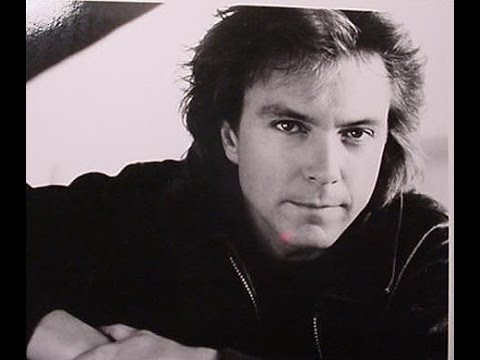
In the middle of David Cassidy’s 1975 bid to be heard as more than a poster on a bedroom wall, Massacre at Park Bench arrives like a strange little scene with the music left outside.
David Cassidy released The Higher They Climb in 1975, at a moment when the easy outline of his public identity had become too small for the artist inside it. The television glow of The Partridge Family had made him one of the most recognizable young performers in the world, but recognition is not the same thing as being heard. By the time this album appeared, Cassidy was trying to move through a narrow passage: away from the machinery of teen-idol fame, toward a more adult, self-aware, musically searching version of himself.
That is why Massacre at Park Bench matters, even though it is not the kind of track people usually pull from an album when they want a melody to carry around for the rest of the day. It is an experimental dialogue track, closer to an interlude or a staged fragment than a conventional pop recording. There is no grand chorus asking to be remembered, no radio-ready hook stepping forward with confidence. Instead, it works like a disruption. It breaks the expected flow and makes the listener notice the album as a constructed emotional space, not merely a collection of songs.
For an artist with Cassidy’s background, that disruption carried its own quiet nerve. Audiences had been trained to expect polish from him: good looks, bright arrangements, a voice placed neatly inside the approved frame. The Higher They Climb complicates that frame. The record sits in the afterimage of a phenomenon, when the applause is still loud but the performer is already asking what it has cost him. Elsewhere on the album, Cassidy steps into material that reflects on stardom, performance, longing, and escape. The presence of I Write the Songs, written by Bruce Johnston before it became most closely associated with Barry Manilow, is a reminder of the album’s unusual place in mid-1970s pop history. But Massacre at Park Bench does something different. It does not smooth the story. It unsettles it.
The title itself sounds theatrical, almost absurdly dramatic, and that is part of its strange charge. It suggests a scene rather than a song, a moment overheard rather than confessed. In the context of a 1975 album by a former television idol, a dialogue track like this can feel like a refusal to behave. It interrupts the comfortable fantasy that a pop album must always flatter the listener. It asks for attention in another way: through atmosphere, oddness, and the sense that something is being acted out just off to the side of the music.
Spoken interludes and experimental fragments were not unheard of in rock and pop albums of the era. The 1970s were full of artists stretching the LP form, treating albums as rooms with doors, mirrors, jokes, scenes, and private codes. But Cassidy’s use of such a device lands with a special tension because of who he had been allowed to be in public. For listeners who knew him only through television charm and fan-magazine certainty, a track like Massacre at Park Bench could sound awkward, even puzzling. For others, it suggested that Cassidy was not merely asking for a new audience; he was testing the patience of the old one.
That testing is part of the album’s emotional value. The Higher They Climb does not feel like an artist casually adding sophistication to a familiar brand. It feels more like someone rearranging the furniture while the guests are still in the room. The dialogue cut becomes a small but important sign of that restless impulse. It leaves space for discomfort. It lets the album breathe in a less predictable rhythm. It points toward the theatrical and psychological edges of Cassidy’s post-teen-idol work, where the performance of fame could be questioned instead of simply sold back to the crowd.
What is striking now is not that Massacre at Park Bench became famous in the ordinary sense. It did not. Its importance lies in its placement, its oddness, and the way it reveals Cassidy’s willingness to risk confusion at a time when clarity would have been easier. A safer album might have reassured everyone that the boy from the television screen was still safely available, still bright, still neatly packaged. This track helps the record say something less comfortable: that the person inside the image had grown impatient with the image itself.
Heard decades later, Massacre at Park Bench feels like a side door into David Cassidy’s 1975 state of mind as an artist. It is brief, peculiar, and easy to overlook, but it belongs to the album’s deeper argument. Fame had given Cassidy a platform; the question was whether he could use it to make something that sounded like his own unease, his own humor, his own resistance. In that sense, this experimental cut is not a detour from The Higher They Climb. It is one of the places where the album’s real pressure leaks through.
