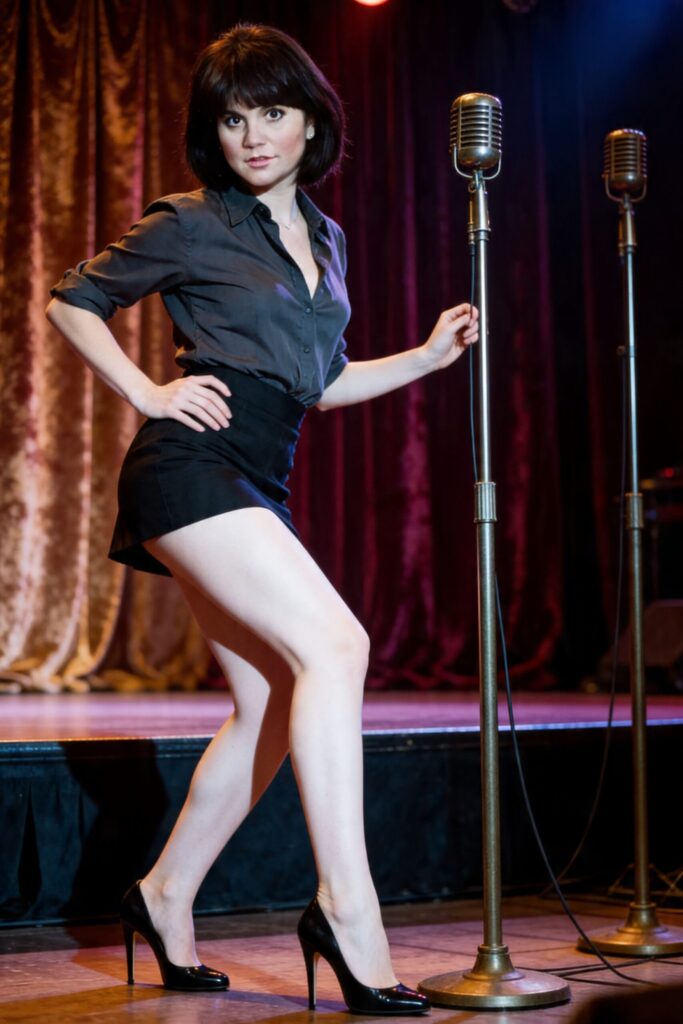
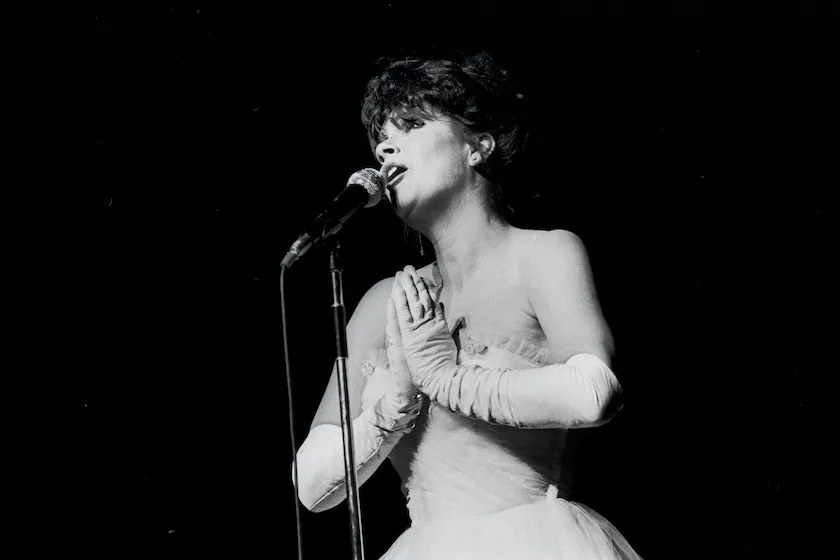
In Linda Ronstadt‘s 1971 live reading of Long Long Time, heartbreak stopped sounding like a pop hit and started feeling like a private truth spoken out loud.
There are songs that become famous, and there are songs that reveal an artist before fame fully takes hold. Long Long Time belongs in that second category, and the 1971 live performances by Linda Ronstadt carry a special kind of emotional gravity because they arrived at the very moment her career was turning. The studio single had already introduced her to a wider audience, but onstage in 1971, the song felt even more exposed, more human, and somehow more permanent. What listeners heard was not merely a beautiful voice. They heard the sound of a young artist discovering how much sorrow she could carry in a single line without ever pushing too hard.
That timing matters. Released in 1970 from the album Silk Purse, Long Long Time was written by Gary White and became Linda Ronstadt‘s first major solo breakthrough. The song reached No. 25 on the Billboard Hot 100 and also crossed over to the adult audience that immediately recognized its ache and restraint. Just as importantly, it earned Ronstadt her first Grammy nomination, a sign that the industry had begun to understand what listeners were already feeling: this was not just another well-sung single, but the emergence of a truly distinctive interpreter.
By 1971, Linda Ronstadt was no longer simply the former voice of The Stone Poneys. She was building an identity that would later define an era, but she had not yet become the towering commercial force of the mid-1970s. That in-between moment gives the live version of Long Long Time its emotional electricity. There is still hunger in the performance, still vulnerability, still the sense that the singer is standing close to the feeling rather than presenting it from a safe distance. In the studio, the song is graceful and beautifully shaped. Live in 1971, it seems to breathe differently. The pauses linger longer. The ache inside the melody becomes more visible. The quiet dignity of the lyric becomes almost unbearable.
The song itself is deceptively simple. It is about loving someone who does not return that love with the same depth, constancy, or devotion. But what makes Long Long Time endure is that it never begs for pity. It does not explode into accusation. It does not turn bitterness into spectacle. Instead, it sits in that sadder and far more recognizable space where hope has not fully died, even though disappointment has become familiar. That is one reason the song has lasted. Many heartbreak songs shout. This one waits. It knows that some of life’s deepest sorrows arrive quietly and stay longer than anyone expected.
Linda Ronstadt understood that tension better than almost any singer of her generation. Her gift was never just vocal power, though she had plenty of that. Her true gift was emotional precision. She could take a line that looked plain on paper and make it sound as though it had been lived for years. In a 1971 live setting, that ability becomes especially moving. Without the careful distance of a studio track, every phrase feels closer to the bone. She does not overdramatize the pain in Long Long Time; she steadies it. That choice is exactly why the performance hits so hard. Restraint, in her hands, becomes devastating.
It also helps to remember where Silk Purse sat in her discography. The album showed her moving deeper into country-rock and emotional storytelling, laying groundwork for what would later blossom on records like Heart Like a Wheel. But Long Long Time was the early signal. It told listeners that she could inhabit loneliness without losing poise, and that she could make vulnerability sound strong rather than fragile. In live performance, those qualities became even clearer. The song was not simply being reproduced for an audience; it was being relived in front of them.
And that is really the heart of why the 1971 live version matters. A hit record can make a song popular. A live performance can show what the song costs. When Ronstadt sang Long Long Time onstage during that period, she seemed to understand that the lyric’s sadness was not theatrical sadness. It was the sadness of endurance. The sadness of staying emotionally faithful to something that may never come back. That kind of feeling does not age out. It follows people through the years. It changes shape, but it does not disappear.
There is also something striking about how young Linda Ronstadt was when she gave the song such depth. Many singers spend a lifetime learning how not to oversell a lyric. She already knew. She trusted tone, timing, and emotional honesty. That confidence gives the 1971 performance its lasting power. You can hear the future legend there, certainly, but you can also hear something even more affecting: the artist before the legend hardened into history.
Decades later, Long Long Time would find new listeners and renewed cultural life, but its emotional center never changed. The song still rests on the same quiet revelation: love does not always end with a grand scene. Sometimes it simply remains, faithful and unresolved, long after certainty has gone. That truth was present in the original hit, but in Linda Ronstadt‘s live 1971 performances, it felt especially raw and immediate. The song no longer sounded like a promising single from a rising star. It sounded like a memory already forming while it was being sung.
For that reason, the live 1971 reading of Long Long Time remains one of those moments that explains an artist in full. It shows Linda Ronstadt before superstardom, but already in complete command of the one thing that mattered most: making a listener believe every word. And once that happens, a song stops belonging only to its year, its chart peak, or even its album. It becomes part of the inner life of anyone who has ever waited too long, hoped too faithfully, or recognized their own story in a voice that never once had to raise itself to be heard.
