
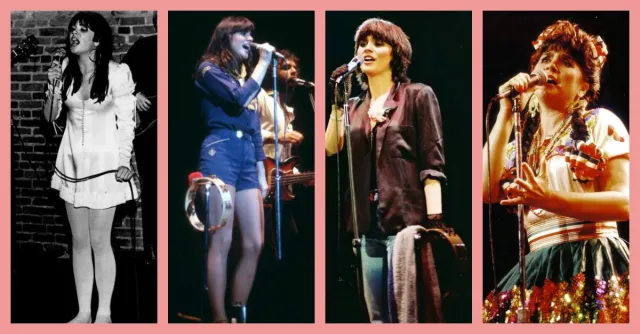
A bright 1967 hit with a steady heart, Different Drum gave Linda Ronstadt her breakthrough and introduced a new kind of woman’s voice on pop radio: tender, honest, and unwilling to be tied down.
There are songs that become hits, and then there are songs that seem to arrive carrying a whole future inside them. Different Drum was one of those records. Released in 1967 by The Stone Poneys featuring Linda Ronstadt, it rose to No. 13 on the Billboard Hot 100 and became the record that first brought Ronstadt into national focus. It appeared on the album Evergreen, Volume 2, but for many listeners, the song itself felt larger than any album track. It sounded like an introduction, a declaration, and a quiet turning point all at once.
What made it so striking was not volume, not spectacle, and not melodrama. It was the calm certainty in Linda Ronstadt’s voice. Written by Michael Nesmith, Different Drum is, on paper, a song about parting ways. But it does not ache in the old familiar way. It does not beg. It does not promise. It does not collapse under regret. Instead, it stands its ground with grace. The narrator is honest enough to admit affection, but honest enough also to say that love alone is not reason enough to stay. That was a powerful message in the late 1960s, and in many ways it still is.
The title itself says everything. To march to a different drum is to hear life at another rhythm, to follow an inner pulse that cannot be forced into somebody else’s pattern. In that sense, the song was more than a catchy folk-pop single. It was an early statement of personal freedom, especially for a female voice in mainstream pop. Ronstadt did not sing it with bitterness. She sang it with clarity. That clarity is what lingers. Even now, the record feels less like rejection than self-recognition.
Musically, Different Drum sits in that beautiful space where folk-rock, pop, and a faintly baroque elegance meet. Its arrangement has brightness and movement, but never enough to distract from the vocal at its center. Ronstadt’s phrasing is one of the great pleasures of the performance. She is direct, but never cold. She sounds compassionate, but never uncertain. That balance became one of the signatures of her long career: the ability to deliver emotional truth without exaggeration, and to make strength sound human rather than hard.
There is also something quietly historic about the way this record reshaped the story of The Stone Poneys. The group had begun as a folk trio in Los Angeles, but when Different Drum took off, the spotlight moved unmistakably toward Ronstadt. Audiences heard what the industry soon understood: this was not simply a good lead singer inside a promising group. This was a major voice, one that could carry sorrow, wit, independence, and warmth in the same breath. In hindsight, the song feels like the first public glimpse of the artist who would later become one of the defining singers of the 1970s.
The backstory matters here because Different Drum did not become unforgettable by accident. Michael Nesmith wrote a lyric with unusual emotional intelligence. The narrator does not deny feeling. She simply refuses a future that does not fit. That distinction is the soul of the song. Many breakup records are built on blame or pleading. This one is built on honesty. It understands that leaving can be painful and still be right. It understands that affection and freedom sometimes move in opposite directions. That emotional maturity is one reason the song continues to feel fresh, even to listeners who have known it for decades.
And then there is Ronstadt herself. Before the arena triumphs, before the run of classic albums, before her name stood on its own at the very top of the marquee, there was this performance: poised, luminous, and impossible to ignore. She did not oversing the lyric. She trusted it. More importantly, she trusted silence, space, and the emotional weight of simple words. That restraint gave Different Drum its lasting power. It sounds lived in. It sounds real.
For many listeners, hearing the song now brings back more than a melody. It brings back an era when radio could still surprise you with a voice that seemed both familiar and brand new. It recalls a time when a single could feel like a doorway opening. And if the record still stirs something deep, perhaps that is because its message never ages. So much of life is spent trying to fit into arrangements that were never truly ours. Different Drum reminds us that there is dignity in recognizing that truth and courage in following it.
That is why the song remains so beloved. Not only because it launched Linda Ronstadt toward greatness, and not only because it was a major pop success in 1967, but because it captured a feeling that very few songs manage to hold with such elegance: the bittersweet relief of choosing your own path. Long before that became a fashionable idea, Different Drum was already singing it with a clear eye and a full heart.
