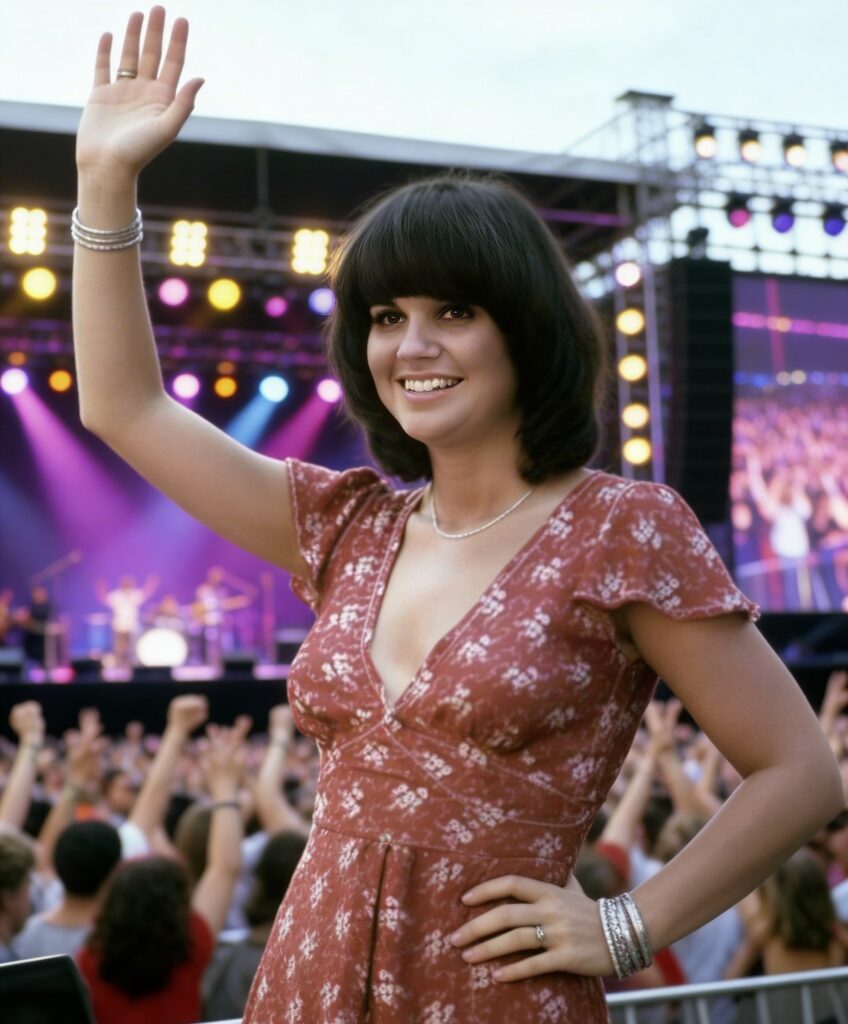
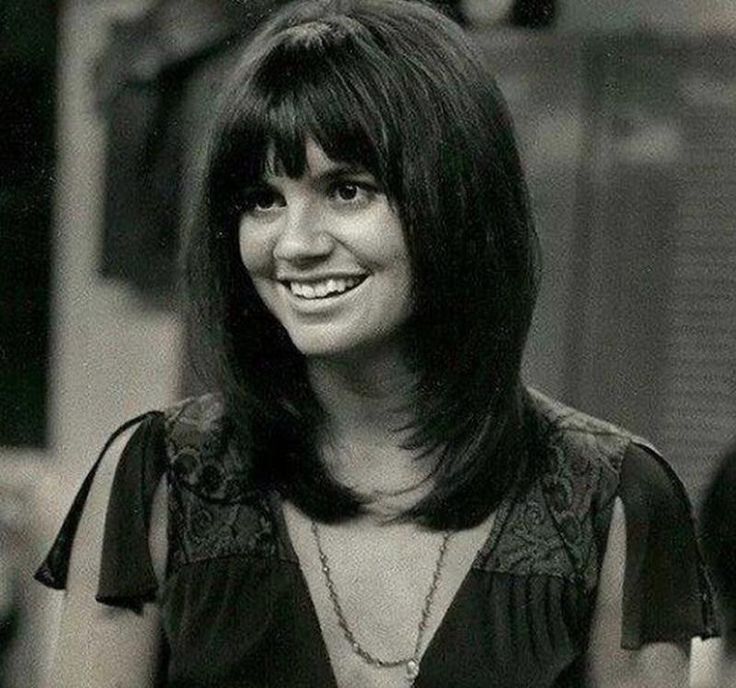
In Linda Ronstadt’s hands, Dark End of the Street becomes more than a song about secrecy; it becomes a tender confession about love that can only survive in hiding.
Some songs arrive as hits. Others arrive as truths. Linda Ronstadt’s version of Dark End of the Street belongs to the second kind. When she recorded it for her landmark 1974 album Heart Like a Wheel, the song was not pushed as one of her big standalone chart singles. But the album itself became a defining event in her career, reaching No. 1 on the Billboard 200 in early 1975 and confirming that Ronstadt had become one of the most emotionally convincing voices in American popular music. That matters, because this performance lives inside the mood of that great album: intimate, wounded, graceful, and quietly devastating.
The song already carried a powerful history long before Ronstadt touched it. Dark End of the Street was written by Dan Penn and Chips Moman, and first made famous by James Carr in 1967. Carr’s original version became a soul classic, reaching No. 10 on Billboard’s R&B chart and No. 77 on the Billboard Hot 100. It was never a flashy pop triumph, but it did not need to be. Its power came from what it dared to say: two people bound together by love, guilt, and the knowledge that their happiness exists outside the rules of the world around them. That emotional contradiction gave the song its staying power, and it is exactly why so many great singers have returned to it.
Yet Linda Ronstadt did not simply cover the song. She reinterpreted its center of gravity. Where some versions lean into the drama of forbidden romance, Ronstadt leans into sorrow, restraint, and human frailty. Her reading is less about scandal than about the emotional cost of needing to hide. She sings as if every word has already been weighed in the heart before it reaches the lips. There is no grandstanding in it, no attempt to overpower the listener. Instead, there is that unmistakable Ronstadt gift: a voice strong enough to soar, yet wise enough to stay still when stillness hurts more.
That is what makes the performance so memorable on Heart Like a Wheel. This was the same album that gave listeners the chart-topping You’re No Good, which hit No. 1 on the Hot 100, and the beloved When Will I Be Loved, which reached No. 2. In the middle of those more widely celebrated tracks, Dark End of the Street feels almost like a private room inside a crowded house. It reminds us that Ronstadt’s greatness was never only about the songs that climbed the highest. It was also about the ones she inhabited so completely that they seemed to reveal something hidden inside her art.
The meaning of Dark End of the Street has always rested in its moral tension. This is not a love song in the easy sense. It is a song about longing under pressure, affection under judgment, and tenderness surrounded by consequences. The lovers meet where they cannot be seen, not because their feelings are weak, but because the world has no place for them in daylight. That image, the far edge of town, the hidden corner, the place where love becomes both refuge and burden, is one of the most enduring metaphors in American songwriting. Ronstadt understands that completely. She does not sing the lyric as an excuse. She sings it as a wound.
There is also something deeply characteristic about the way this song fits Ronstadt’s career. By the time Heart Like a Wheel arrived, she had already spent years proving herself as one of the finest interpreters of other writers’ material. What set her apart was not merely technical excellence, though she had plenty of that. It was her ability to move between rock, country, folk, and soul without ever sounding like she was visiting those forms from the outside. On Dark End of the Street, she brings Southern soul into conversation with California country-rock sensibility, and the result feels natural rather than studied. She sounds as if she belongs to the song’s pain.
That ability to make a borrowed song feel personal is part of why Ronstadt still matters so deeply. Many singers can deliver melody. Fewer can reveal emotional architecture. In her version of Dark End of the Street, you hear the fragile balance between desire and conscience, memory and risk, comfort and regret. It is a grown song, written for listeners who understand that love is not always tidy, and that some of life’s strongest feelings do not arrive with clean answers. Ronstadt does not judge the people in the lyric. She simply gives them dignity.
And perhaps that is the lasting beauty of this recording. It does not ask us to celebrate secrecy, and it does not ask us to condemn it. It asks us to listen closely to the loneliness inside it. Decades later, that is why the song still lingers. Not because it is loud, but because it is honest. In a catalog filled with bigger hits and brighter moments, Linda Ronstadt’s Dark End of the Street remains one of those performances that seems to grow heavier, wiser, and more haunting with time. It reminds us that sometimes the deepest songs are the ones sung half in shadow, where the heart speaks softly because it has already suffered enough.
