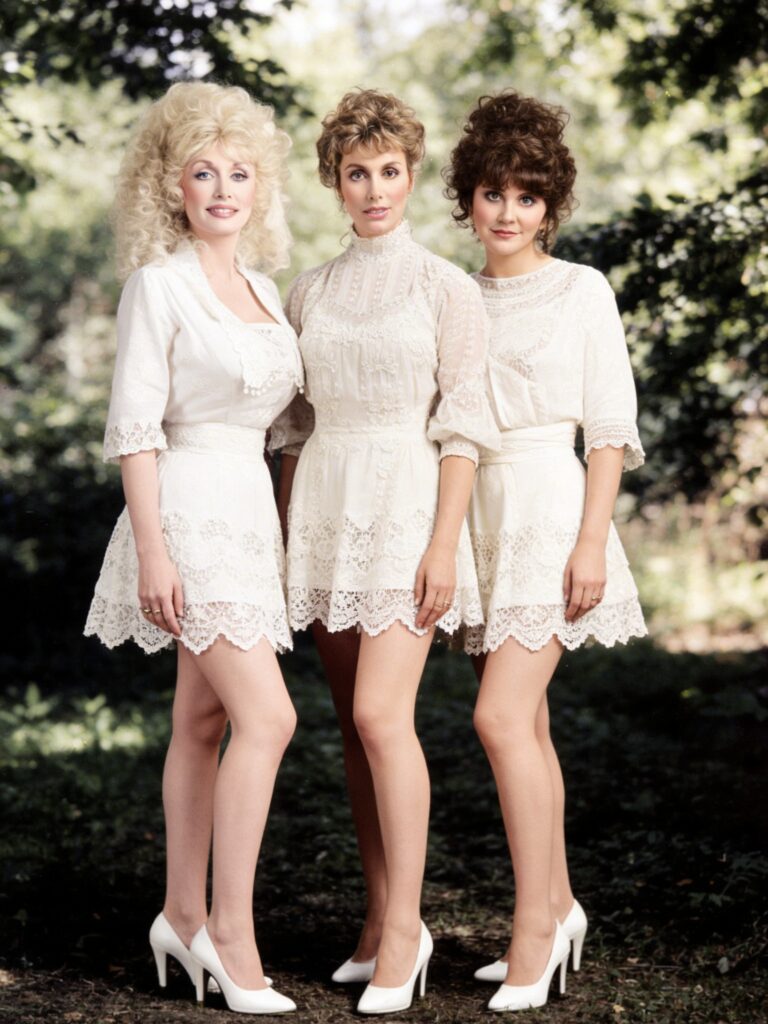
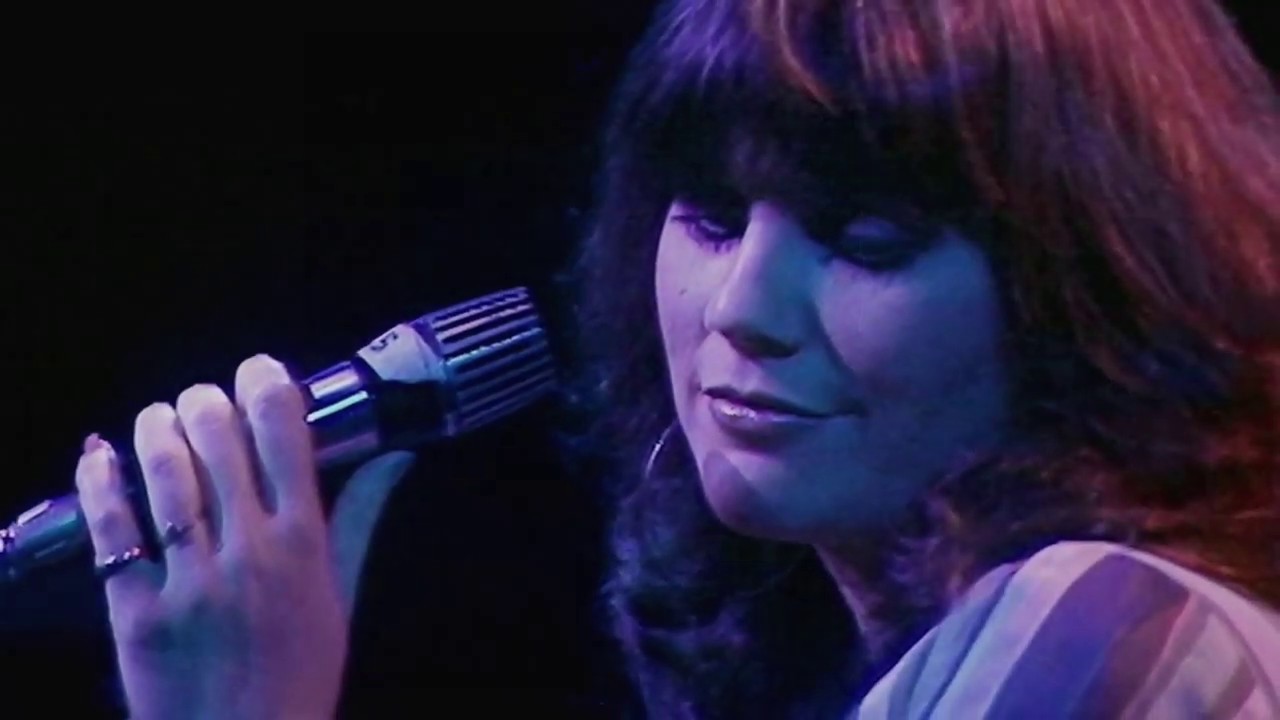
One old ballad, two unmistakable voices, and a debate that never really ends — “I Never Will Marry” still divides fans because Linda Ronstadt and Dolly Parton each found a different kind of truth inside the same sorrow.
Some songs belong so fully to the tradition that no one can ever own them in the strict sense. “I Never Will Marry” is one of those songs. It goes back to the Carter Family, who first recorded it in 1938, and it is commonly credited to A.P. Carter, though its roots run even older through folk tradition. That matters, because the song did not begin as a star vehicle. It began as something weathered, passed along, already bruised by time before any modern singer touched it. Which is exactly why the later argument around Linda Ronstadt and Dolly Parton has lasted so long: neither woman invented the song, but each made listeners feel as though she had found a private doorway into it.
The reason fans still argue is not really about technical superiority. It is about emotional possession. Dolly Parton always had a way of making old-country sorrow sound as though it came straight from the mountain air — plainspoken, piercing, proud even in hurt. Her own early catalog, including My Blue Ridge Mountain Boy from 1969, already showed how naturally she lived inside old-story songs and Appalachian feeling, and that history hovers around any discussion of “I Never Will Marry,” even though the song was not on that particular album. Dolly sounded born to this material. She never had to “approach” a ballad like this from the outside. She seemed to rise out of the same soil.
Then came the version most people still return to when this debate flares up: Linda Ronstadt’s “I Never Will Marry (with Dolly Parton)” on Simple Dreams, released on September 6, 1977. The album became a giant success — five straight weeks at No. 1 on the Billboard album chart — and it was one of the defining peaks of Ronstadt’s career. Inside such a celebrated record, this old ballad could easily have been overshadowed by the bigger radio moments. Instead, it became one of those tracks people carry close for life. And the simple fact that Dolly Parton is there, not as a distant influence but as the harmony presence inside the performance, is what makes the song feel almost mythic in hindsight. It is not one legend versus another. It is two legends standing in the same sorrow and shaping it differently.
Linda’s hold on the song comes from the ache she leaves exposed. She was often at her most devastating when she did not push too hard, and “I Never Will Marry” is a beautiful example of that gift. In her hands, the ballad feels less like a public declaration than a private vow made after disappointment has already done its work. She does not sing the song as an old artifact. She sings it as a living wound that has learned composure. That is why so many listeners say Ronstadt “owned” it. Her version on Simple Dreams does not feel like revival. It feels like recognition.
But Dolly’s claim never disappears, because even as a harmony partner, she changes the emotional temperature the moment she enters. There is something in Parton’s voice — that mix of sweetness, steel, and high-lonesome ache — that makes old-country grief sound ancestral. Fans who lean toward Dolly are often hearing exactly that. They are not saying Linda sings it less beautifully. They are saying Dolly carries the deeper ghost of the song’s original world. And there is some fairness in that feeling. The ballad came out of the same broad traditional current that nourished so much of Parton’s early art, and her presence in the Ronstadt recording gives it a deeper country shadow than Linda alone might have created.
That is why the argument never really settles. Linda brings the ache into a more luminous, polished late-1970s frame. Dolly brings the old wound in with her voice. One sounds like heartbreak refined by distance. The other sounds like heartbreak that still remembers the hills. Put them together, and the song becomes richer than a simple “who sang it best” contest can explain. Even the later history around Trio adds a little extra poignancy: Ronstadt, Parton, and Emmylou Harris had tried to collaborate in the mid-1970s, and although that full project stalled for years, “I Never Will Marry” survived as one of the small, precious pieces of that musical kinship.
So the song still divides fans because it offers two kinds of ownership at once. Linda Ronstadt gave it one of its most haunting modern homes. Dolly Parton gave it a blood-memory connection to the older country tradition from which it sprang. The debate lives on because both claims feel true. And maybe that is the real beauty of “I Never Will Marry.” It is too old, too wounded, and too wise to belong to only one singer. But when Linda Ronstadt and Dolly Parton sing it together, each woman leaves such a deep mark on it that listeners keep hearing a different center depending on which sorrow they trust more.
