“Sin City” is a hymnal warning in disguise—about a glittering town that promises salvation, then quietly teaches you the price of wanting too much.
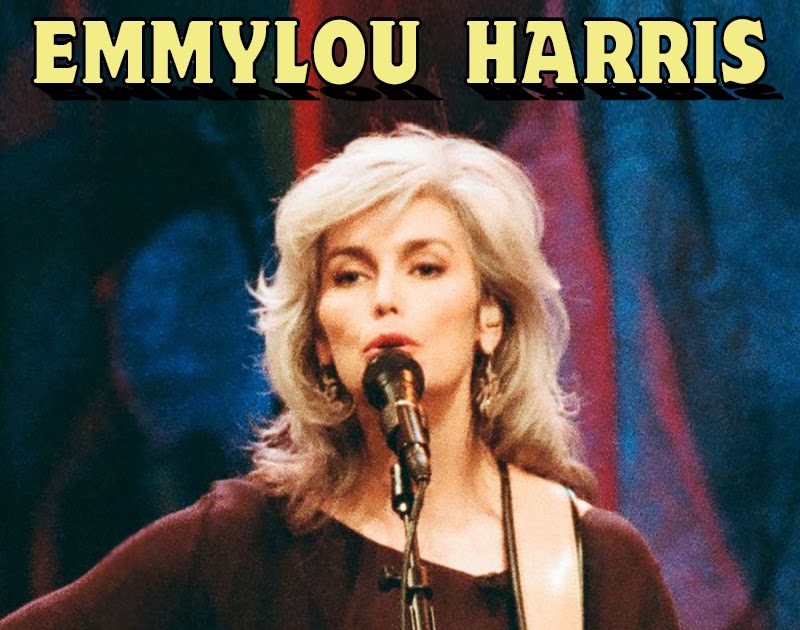
When Emmylou Harris sings “Sin City,” she isn’t merely covering an admired country-rock classic—she’s walking back into a room where the air still carries Gram Parsons’ absence. Her version appears on Elite Hotel, released December 29, 1975, with “Sin City” placed as track 4 (3:57) and credited to Gram Parsons and Chris Hillman. The timing is everything: this is the album that made Harris not just a cult-beloved inheritor of Parsons’ vision, but a chart-topping force in her own right—her first No. 1 on Billboard’s Top Country Albums, and a crossover success that reached No. 25 on the Billboard 200. And it was also the record whose vocals earned her the Grammy Award for Best Country Vocal Performance, Female (awarded in 1977 for the album).
To understand what Harris is doing with “Sin City,” you have to remember where the song came from—and why it felt dangerous even in 1969. Parsons and Hillman first released it with The Flying Burrito Brothers on The Gilded Palace of Sin (released February 6, 1969). That album, now treated as a cornerstone of country rock, was a commercial underperformer at the time, peaking at No. 164 on the Billboard 200. It was a record born in late-’60s California glow and smog—where dreams were plentiful, and consequences often arrived quietly. A later critical appraisal describes “Sin City” as a mournful ballad that blends biblical imagery with a hazy, impending-doom atmosphere, and frames “Sin City” as Los Angeles—the promised land that can swallow you whole if you arrive hungry enough.
Harris takes that prophecy and makes it personal.
In the Burritos’ original, the song can feel like a panoramic warning—two writers looking out at a city like it’s a glittering trap. In Emmylou’s hands, it becomes more intimate: the warning turns inward, as if the singer has felt the magnetic pull of that “town filled with sin” and is trying—gently, almost tenderly—to keep herself from stepping too close to the edge. She doesn’t belt it like a sermon. She sings it like a confession, the way someone speaks when they’ve already learned that temptation isn’t always loud. Sometimes it is soft. Sometimes it is beautiful. Sometimes it arrives dressed like opportunity.
And that’s the song’s lasting meaning: “Sin City” isn’t only about vice. It’s about the spiritual exhaustion of chasing the wrong kind of light. Its language is strikingly moral without being preachy—those Old Testament shadows, that sense of judgment hovering in the skyline—yet the emotion is modern and human: the fear that your appetite will outgrow your safety. The tragedy isn’t that the city is wicked. The tragedy is that the city is persuasive.
Placed within Elite Hotel, “Sin City” also gains a deeper narrative weight. This album was Harris’ early-career summit—cut in June 1975 and built with her newly formed backing group The Hot Band, featuring players associated with Elvis Presley’s TCB band like James Burton and Glen D. Hardin. The whole record is a statement of range and taste—Buck Owens, the Beatles, traditional gospel, and Parsons’ haunted California scripture living together under one roof. So when “Sin City” arrives, it doesn’t feel like a novelty “rock” inclusion. It feels like the emotional thesis: success is real, but so is the cost; the stage lights are warm, but they can also burn.
If you listen closely, you can hear why this performance still matters. Harris sings like someone who understands that the hardest sins are not the flashy ones—they’re the subtle ones: pride dressed as destiny, longing dressed as love, ambition dressed as “just one more step.” Her voice doesn’t condemn the city so much as mourn the people who walk into it believing it will finally make them whole. And in that mournful steadiness, “Sin City” becomes what great songs often become over time: not a period piece, but a mirror—held up quietly, in a voice strong enough to tell the truth without raising it.
