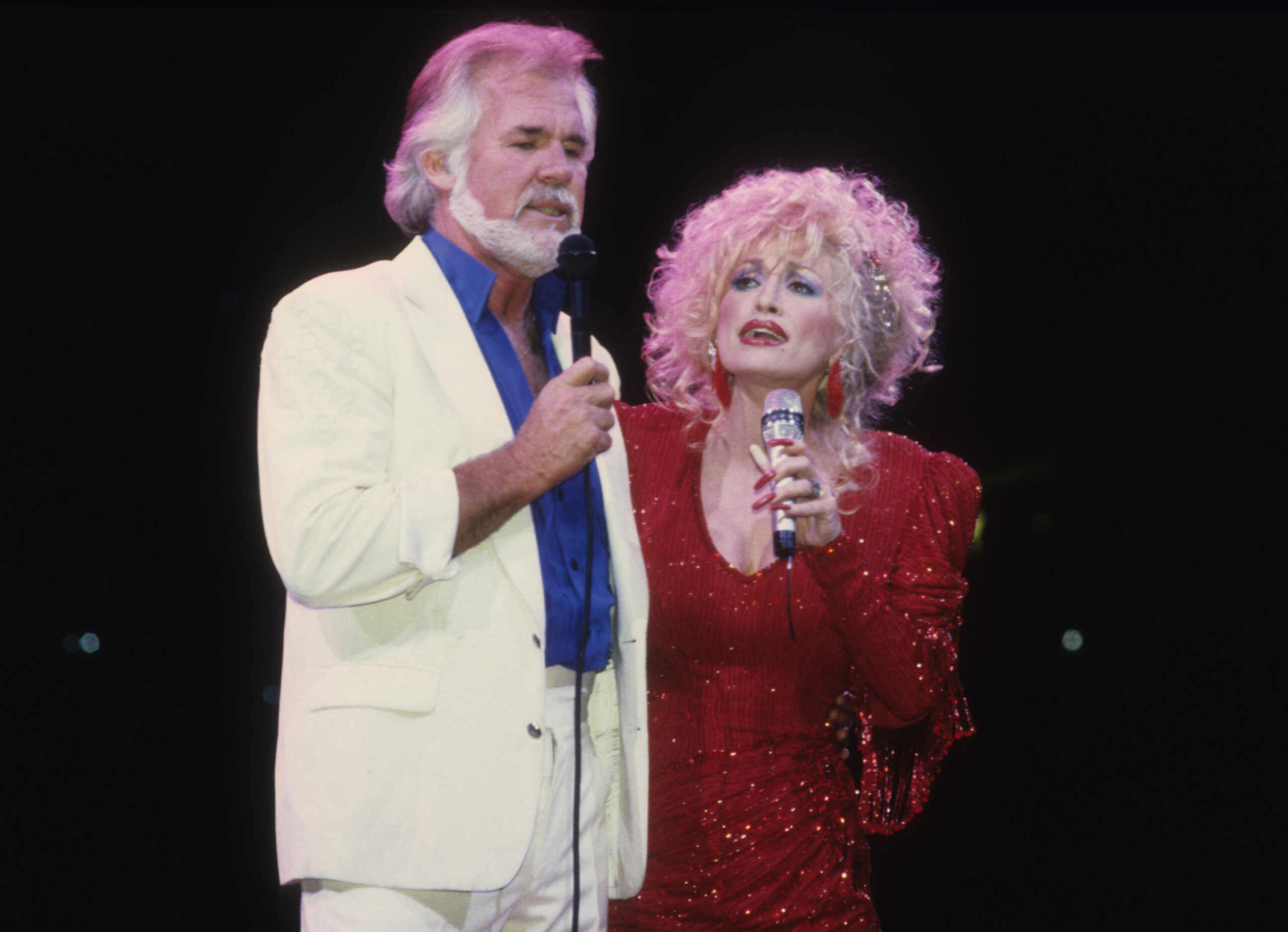
Dolly Parton’s 1973 Jolene made vulnerability sound precise enough to become a signature.
Released as a single in 1973, Dolly Parton’s Jolene introduced one of country music’s most recognizable pleas with almost no ornament around it. Written by Parton and later placed as the title track of her 1974 album Jolene, the recording topped the Billboard Hot Country Singles chart in early 1974. Those facts help explain its public reach, but they do not fully explain why the song still feels so close to the skin. Its endurance begins in the way Parton sings fear without making it theatrical.
The situation is simple enough to grasp in the first seconds: a woman addresses another woman by name, admiring her beauty while begging her not to take the man she loves. The song avoids the easier paths of accusation or revenge. Its narrator does not pretend to be above jealousy, and she does not turn the rival into a cartoon. Instead, Jolene moves inside a narrow emotional room where dignity and panic have to share the same air.
That narrowness is part of the composition’s force. The name Jolene returns again and again, not as decoration but as pressure. It can sound like warning, compliment, prayer, and surrender, depending on how Parton places it. The melody circles with the same restless logic, and the recording’s brisk tempo keeps the plea from becoming static. The track is not slow-motion heartbreak; it is anxiety with a pulse.
The arrangement leaves very little room to hide. A quick, repeating guitar figure gives the record its nervous motion, while bass, drums, and harmony voices stay disciplined enough to keep the focus on the lead vocal. There is a mountain-music sharpness in the contours, but the production is clean and direct, a country single built for radio without sanding away its unease. The sound is lean, and that leanness matters: every syllable has to carry weight.
Parton’s vocal performance is often remembered for its high, piercing clarity, but the deeper achievement is control. She does not oversing the hurt. She brightens certain words, clips others, and lets the repeated name become an emotional measure. The voice seems at once young and exacting, fragile in subject but firm in craft. That tension gives the record its distinctive identity. The singer may be pleading, but the artist is in complete command of the plea.
In the early 1970s, Parton was already known to country audiences through records and television, including her work alongside Porter Wagoner. At the same time, she was sharpening the independence of her own songwriting voice. Jolene arrived during a period when she was moving toward a broader self-definition: not only a bright personality or gifted singer, but a writer able to build dramatic scenes out of plain speech. The song’s success on the country chart confirmed that listeners could recognize the sophistication inside that plainness.
Parton has publicly connected pieces of the song’s inspiration to everyday encounters: a memorable name from a young autograph seeker and the idea of a striking woman who caught her husband’s attention. What matters artistically is how those fragments were transformed. Dolly Parton did not write a gossip item; she wrote a compact one-act drama. By addressing Jolene directly, she gave the rival presence without giving her a voice, and that choice keeps the listener suspended between empathy for the singer and curiosity about the woman being addressed.
As a signature song, Jolene is unusual because it does not depend on triumph. Many defining records announce arrival, victory, or heartbreak after the damage is done. This one stays inside the instant before loss, when nothing has been settled. That unfinished quality has made it inviting for later interpreters across genres, but Parton’s original remains singular because it balances humility with precision. She makes vulnerability active, not passive; the narrator is afraid, yet she is brave enough to speak first.
The country No. 1 status belongs to the record’s history, but its emotional life belongs to the voice at the center of it. Jolene endures because it treats insecurity as something that can be sung clearly rather than hidden or exaggerated. In that clarity there is a kind of discipline, and perhaps a kind of mercy. Dolly Parton found a signature not by sounding invincible, but by letting a moment of fear keep its shape.
