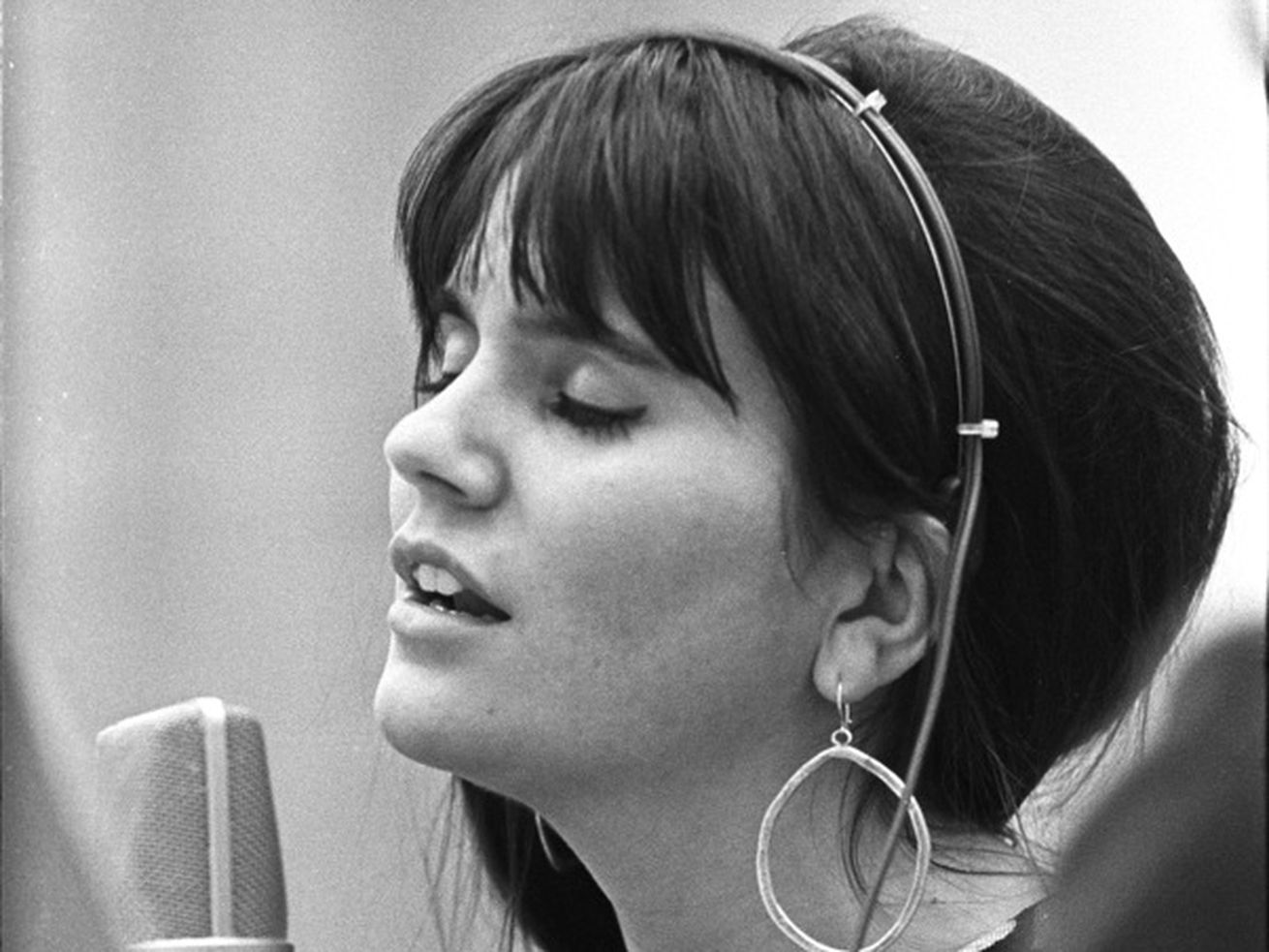
Linda Ronstadt turned Desperado from a beautifully written Eagles album track into something larger: a modern standard that suddenly felt personal, permanent, and impossible to forget.
When Linda Ronstadt included Desperado on her 1973 album Don’t Cry Now, she was not covering a massive hit. She was stepping toward a song that, at that moment, still lived mostly inside the world of the Eagles and their second LP, Desperado. The original was already extraordinary, but it was not a big singles-chart event, and the album itself arrived more as a statement of artistic ambition than as a dominating commercial phenomenon. Don’t Cry Now, meanwhile, became an important turning point in Ronstadt’s rise, reaching No. 45 on the Billboard 200. And within that album sat one of the most important reinterpretations of the decade: a version of Desperado that helped carry the song out of its period setting and into the wider American songbook.
That mattered all the more because Ronstadt was not a distant outsider looking in. Before the Eagles became the Eagles, Don Henley and Glenn Frey had both worked in Linda Ronstadt’s backing orbit. So when she chose to sing Desperado, it felt less like a casual cover and more like an act of recognition. She understood the writing from the inside. She understood where that California country-rock scene had come from, what it was trying to say, and, perhaps most importantly, which songs had a life beyond fashion. Ronstadt had a rare instinct for that. She did not simply find good material; she found songs with second and third lives waiting inside them.
The Eagles’ original version of Desperado, written by Don Henley and Glenn Frey, is stately, reflective, and shaped by the album’s Western-concept atmosphere. It carries a kind of cinematic distance, as if the listener is watching a lonely figure across a wide emotional landscape. Ronstadt kept the sadness, but she changed the vantage point. In her hands, the song no longer felt like a portrait of a mythic drifter alone. It felt like a direct human address. She sang it with warmth instead of cool observation, and with ache instead of posture. That shift is everything. A standard is not merely a well-written song; it is a song that can survive a change in voice, setting, and emotional angle while revealing even more truth. Ronstadt proved that Desperado could do exactly that.
Her interpretation is so enduring because she understood the hidden center of the lyric. Beneath the outlaw imagery, Desperado is really about self-protection, pride, and the quiet ruin of refusing tenderness. It is about a person who has mistaken distance for strength. Ronstadt sang those ideas not as literary symbols, but as lived feeling. When the song reaches its plea of opening up before time slips away, she does not sound like she is delivering wisdom from a pedestal. She sounds as if she has known the cost of waiting too long. That emotional credibility is what lifted the song. Suddenly, it was not just an Eagles song, not just a 1973 album track, not just a beautifully arranged country-rock ballad. It was a song for anyone who had ever watched caution harden into loneliness.
And that is why her version became so important to the song’s legacy. Ronstadt did not replace the Eagles’ recording; she broadened its destiny. She helped listeners hear that Desperado belonged to a much older and deeper tradition, one where a song can move from artist to artist without losing its soul. In that sense, her recording on Don’t Cry Now helped establish the tune as a modern standard. It became the kind of composition singers wanted to claim, audiences instantly recognized, and generations continued to revisit. The song’s long afterlife owes much to the authors, of course, but it also owes something vital to the singer who revealed how universal it really was.
There is also something moving about where this performance sits in Ronstadt’s own story. Don’t Cry Now came just before Heart Like a Wheel made her a true superstar. So this version of Desperado captures her at a fascinating moment: already a major interpretive artist, already hearing further into songs than most people could, but still on the edge of the commercial breakthrough that would make the whole world catch up. Listening now, that recording feels almost prophetic. It reminds us that some singers do more than perform songs. They reveal their final shape.
That is why Linda Ronstadt’s Desperado still lands with such quiet force. The song was great from the beginning. But on Don’t Cry Now, Ronstadt gave it an even wider emotional home. She stripped away any remaining sense that it belonged only to one band, one album concept, one era, or one style. She sang it into permanence. And once you hear what she heard in it, it becomes very difficult to imagine Desperado as anything less than one of the essential American ballads of its time.
