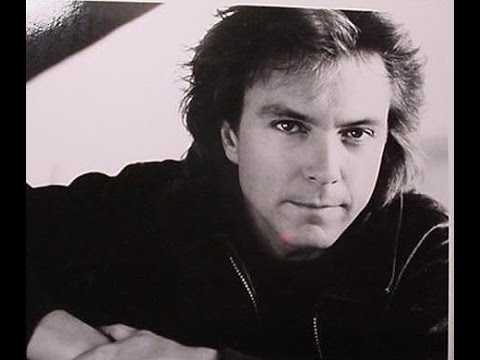
A love song wrapped in teen-idol fever, Could It Be Forever turned David Cassidy into more than a poster on the wall—it let him sound sincere, vulnerable, and unforgettable.
There are songs that arrive with a chart position, and then there are songs that arrive with a whole season of life attached to them. David Cassidy’s Could It Be Forever belongs to that second kind. Released in 1972 during the height of Cassidy’s astonishing popularity, the single climbed to No. 2 on the UK Singles Chart and became one of the records that defined his solo identity beyond the television glow of The Partridge Family. For many listeners, it was not simply another hit from a young star at the center of a cultural storm. It was the sound of longing dressed in velvet-soft pop, a song that seemed to understand how intense young devotion could feel when the world still looked full of promises.
What makes Could It Be Forever so enduring is the contrast at its heart. Around David Cassidy, there was noise—deafening fame, screaming crowds, magazine covers, and an almost impossible level of public attention. But inside the song, there is gentleness. Written by Barry Mason and Les Reed, two of British pop’s most accomplished craftsmen, the record was built with elegant precision: a flowing melody, a romantic lift in the chorus, and lyrics that ask a question almost everyone has asked in one form or another. Can this feeling last? Can a moment of pure emotional certainty become something permanent? That simple question is the song’s secret strength.
The single also helped mark an important shift in how Cassidy was heard. By 1972, he was already famous, but fame can sometimes flatten an artist into an image. Could It Be Forever pushed back against that. It reminded people that beneath the phenomenon was a singer with real warmth in his voice. He did not attack the lyric; he leaned into it. His performance is tender without becoming fragile, polished without sounding cold. There is a softness in the phrasing that suits the song beautifully, and that softness is exactly why it connected so deeply. In an era crowded with bigger gestures, this record trusted feeling.
The song appeared during the period of Cassidy’s early solo success, alongside material associated with his 1972 album Cherish, and it fit perfectly with the romantic pop style that defined his best-loved records from that time. Producer Wes Farrell, who understood how to frame Cassidy’s voice for maximum emotional appeal, helped shape recordings that were radio-friendly but never entirely empty. That matters here. Could It Be Forever may sound effortless, but there is real craft in its balance. The orchestral touches are sweet without becoming syrupy. The arrangement rises at just the right moments. And the vocal sits at the center like a private thought being spoken into a crowded room.
There is also a deeper cultural story behind the song. In the early 1970s, pop music was full of divisions—between rock credibility and mainstream appeal, between serious album artists and the so-called teen idols. Cassidy often found himself unfairly trapped in that conversation. Because he inspired such intense devotion, some critics were too quick to overlook the musical intelligence of records like this one. But time can be kinder than fashion. Listening now, it is easier to hear what audiences heard then: not a disposable craze, but a beautifully made pop performance that captured a very specific emotional truth. The song understands the drama of first love, when forever does not sound unrealistic at all. It sounds necessary.
That may be why the record still stirs such strong feeling. It is not only nostalgia for a face, a haircut, a TV memory, or a vanished era of fan magazines and transistor radios. It is nostalgia for emotional innocence—for the moment when asking “could it be forever?” did not seem naïve, only brave. Cassidy gave that question a face and a voice. He sang it with a kind of hopeful seriousness that now feels almost rare.
And perhaps that is the lasting meaning of Could It Be Forever. It preserved a moment when pop could still be openly romantic, when sincerity was not something to be apologized for, and when David Cassidy stood at the center of a dream that millions recognized instantly. The frenzy around him was real, of course, but so was the feeling in this song. Long after the posters came down and the headlines moved on, the record remained. It still asks the same question. It still carries the same ache. And in that soft, gleaming early-1970s melody, it still sounds as if forever might be possible after all.
