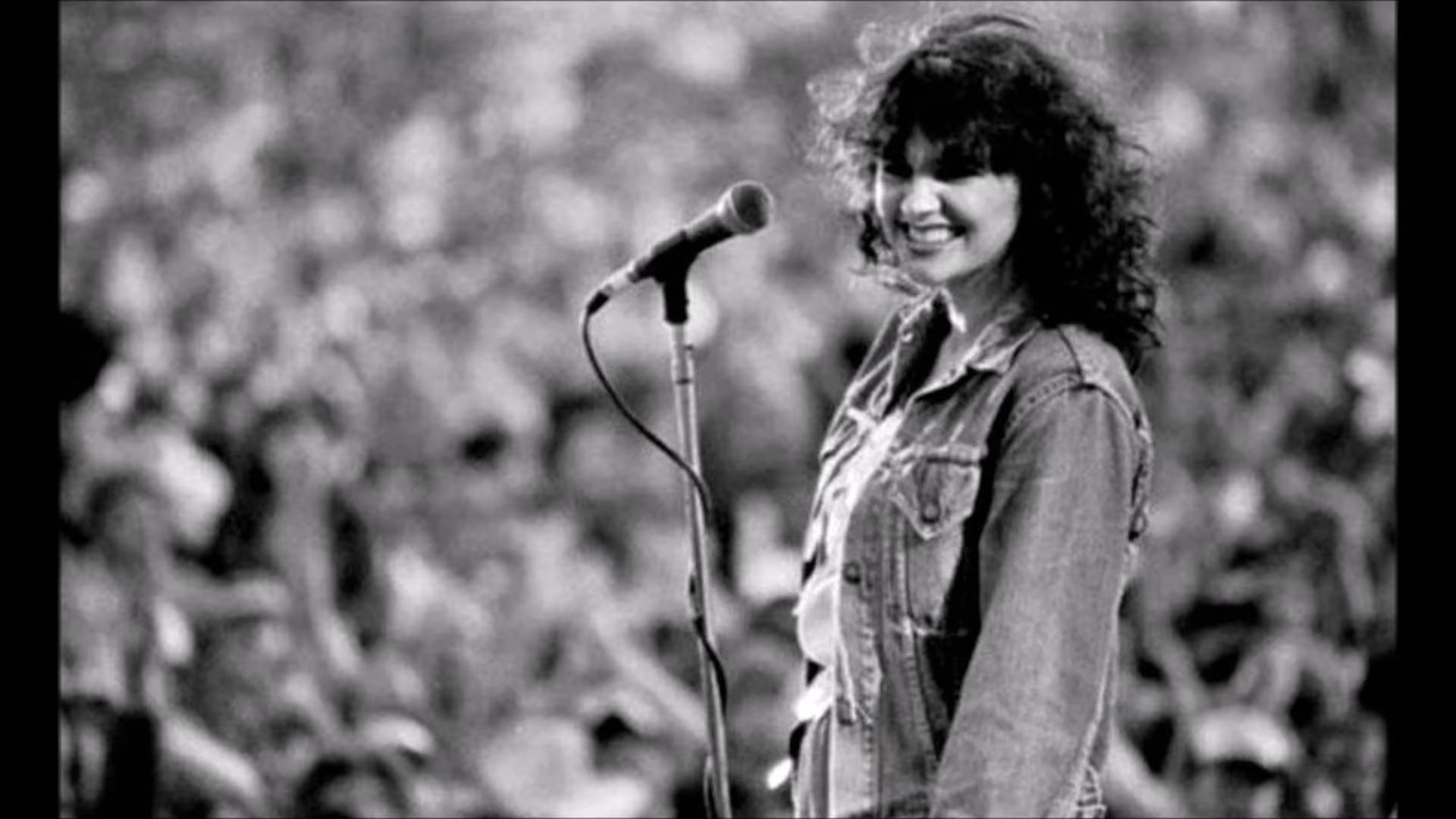
Crazy Arms is where Linda Ronstadt turned an old country wound into something intimate, graceful, and quietly unforgettable.
Long before Linda Ronstadt became one of the defining voices of 1970s American music, she was already showing listeners how deeply she understood the architecture of a heartbreak song. Her version of “Crazy Arms”, included on her 1970 album Silk Purse, may not be the first performance people mention when they think of her catalog, but it says a great deal about who she was as an artist. It captures that moment when Ronstadt was still building her public identity, yet already singing with the assurance of someone who knew exactly where emotion lived inside a melody.
In chart terms, “Crazy Arms” was not the record that drove the commercial story of Silk Purse. The album itself reached No. 103 on the Billboard 200, while the title track “Silk Purse” became the more visible country single, climbing to No. 20 on Billboard’s country chart. But that is precisely why “Crazy Arms” remains so rewarding to revisit. It was not merely a chart move. It was an artistic declaration. On a record produced by Elliot Mazer in Nashville, Ronstadt stepped closer to the classic country tradition and, in doing so, revealed how naturally that tradition fit her voice.
The song itself already carried deep history before Ronstadt ever touched it. “Crazy Arms” was written by Ralph Mooney and Charles Seals, and it became a landmark hit for Ray Price in 1956. Price’s version was more than successful; it was foundational, helping define a modern country sound and spending an extraordinary run at No. 1 on Billboard’s country listings. By the time Ronstadt recorded it, the song was already part of country music’s emotional furniture. That made it a bold choice. She was not introducing a forgotten tune. She was stepping into a room already filled with memory.
What makes her interpretation so moving is that she does not fight the song’s history. She does not try to overpower it, modernize it beyond recognition, or dress it up in empty drama. Instead, she leans into its sorrow with remarkable patience. The lyric tells a simple but enduring truth: the body remembers what the mind knows it should release. The “crazy arms” of the title are not just literal arms reaching for someone no longer there; they are the habits of love, the reflex of longing, the helplessness of still wanting what has already slipped away. It is one of country music’s most elegant metaphors for emotional defeat.
Linda Ronstadt understood that kind of lyric instinctively. Her voice on “Crazy Arms” does not sound theatrical. It sounds lived-in. There is ache in it, but also restraint. She lets the song breathe. Where some singers push heartbreak toward spectacle, Ronstadt lets it remain human-sized. That is one reason the performance still lands so beautifully years later. She sings the pain, yes, but she also sings the dignity inside the pain. The result is not self-pity. It is recognition.
There is also something important about where this recording sits in her career. Ronstadt had already emerged from her years with The Stone Poneys, and she had begun shaping a solo identity that would eventually bridge rock, country, folk, and pop with unusual ease. But in 1970, none of that later triumph was guaranteed. Silk Purse came at a time when she was still defining the contours of her artistry, and Nashville gave her a setting where those instincts could sharpen. In that environment, “Crazy Arms” becomes more than a cover. It becomes evidence. It shows that Ronstadt’s connection to country music was never cosmetic. She did not visit the genre for texture; she belonged in its emotional language.
That may be the most lasting meaning of her version. When people remember Linda Ronstadt, they often think first of the towering hits, the radio staples, the crossover success, and the astonishing versatility that later made her such a singular figure. All of that is deserved. But recordings like “Crazy Arms” remind us that her greatness was built on interpretation as much as power. She could enter a song that listeners thought they already knew and make them hear the vulnerable center of it again.
There is, too, a strong sense of musical ancestry in this performance. Ronstadt stood at a crossroads where California country-rock sensibility met older honky-tonk feeling. In lesser hands, that blend can sound calculated. In hers, it feels organic. She respected the ache of Ray Price’s classic while bringing her own clarity and poise. The performance does not erase the song’s past; it extends it. That is a rare gift.
So if “Crazy Arms” is not always listed among the most famous Linda Ronstadt recordings, it may still be one of the most revealing. It catches her before superstardom had fully settled in, but after the essential qualities were already there: emotional intelligence, technical control, reverence for songcraft, and that unmistakable ability to make longing sound both personal and universal. For anyone who wants to understand the roots of her artistry, this recording is not a side note. It is a quietly glowing clue.
And perhaps that is why it lingers. Not because it arrived with fanfare, but because it carries the feeling of an artist meeting a song that fits her soul. In “Crazy Arms”, Linda Ronstadt was not chasing fashion or forcing identity. She was simply singing where her instincts led her, and the result still feels tender, honest, and true.
