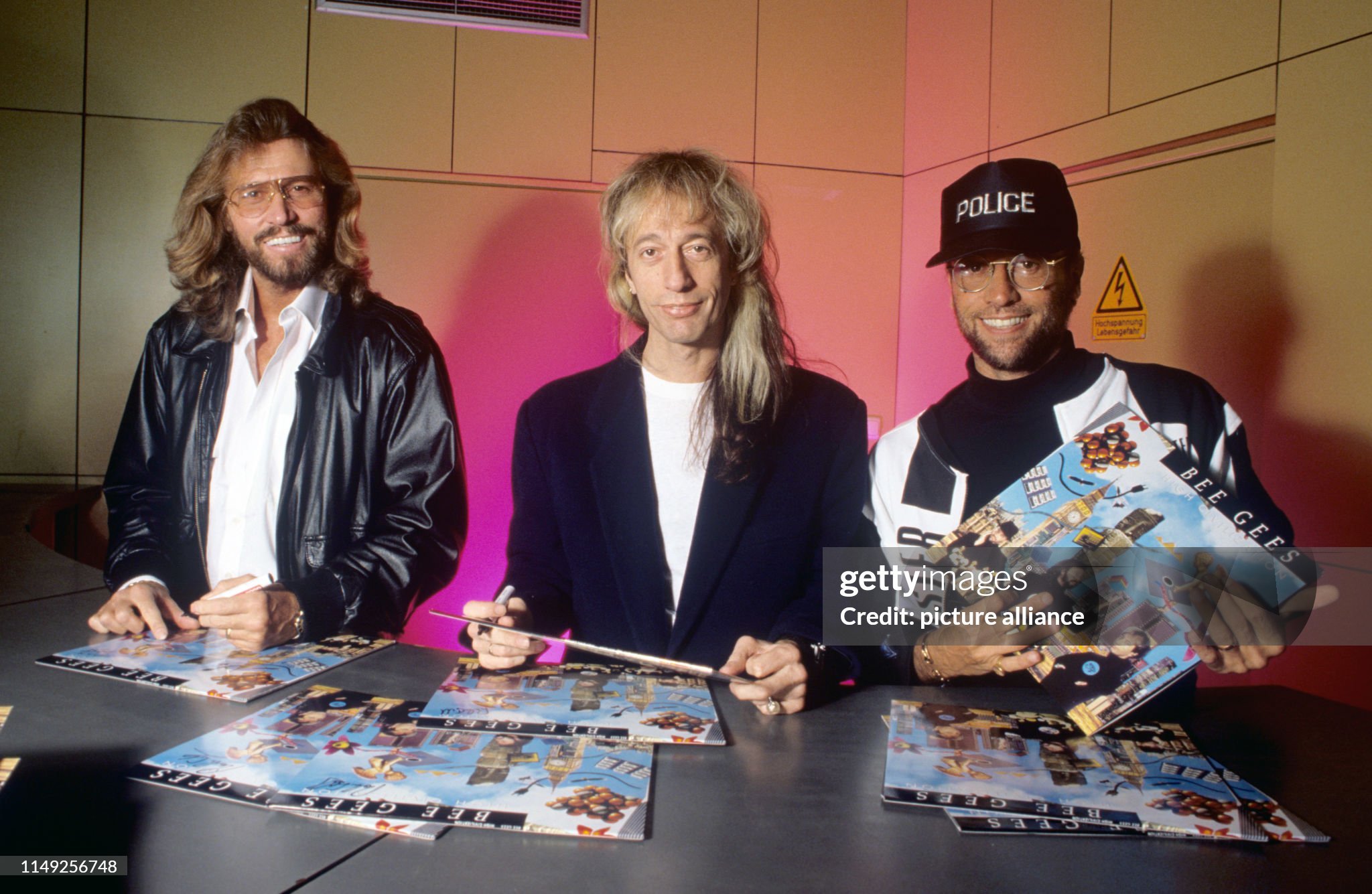
In 1997, “Still Waters (Run Deep)” proved that the Bee Gees were not returning on nostalgia alone, but with depth, grace, and the kind of feeling that only time can sharpen.
When Bee Gees released “Still Waters (Run Deep)” in 1997, they were doing something far more meaningful than simply issuing another single. This was the title track of Still Waters, the album that marked one of the most impressive late-career chapters in their story. In the UK, the song reached No. 18 on the Singles Chart, a clear sign that the Gibb brothers still had a place in the present tense, not just in memory. And the album itself made an equally strong statement, climbing to No. 2 in the UK and No. 11 on the Billboard 200 in the United States before going on to sell in the millions worldwide. For a group already long established as legends, that kind of success in the late 1990s was not ordinary. It was earned.
There is something especially fitting about “Still Waters (Run Deep)” serving as the title song for this era. After all, the phrase itself suggests hidden force, quiet intensity, and emotions that do not need to shout to be real. That idea suits the Bee Gees beautifully at this stage of their career. By 1997, Barry, Robin, and Maurice Gibb had already lived through several musical lifetimes: the baroque pop and balladry of the late 1960s, the towering harmony-driven songs of the early 1970s, the disco-era triumphs that made them global institutions, and the changing tastes that followed. A lesser act might have returned in search of revival. The Bee Gees came back sounding as if they already knew exactly who they were.
That is what gives the song its power. “Still Waters (Run Deep)” is polished, elegant, and unmistakably of its time, but it never feels desperate to be modern. Instead, it uses contemporary production to frame something much older and more durable: emotional intelligence. Beneath the smooth arrangement and flowing melody is a song about unseen feeling, about the truths that live below the surface. Like the saying from which the title comes, it recognizes that what is quiet is not necessarily small. In fact, the deepest experiences in life often arrive without spectacle. They settle in slowly. They stay.
Musically, the track carries that message with remarkable control. The harmonies are rich but never overdone. The melody moves with patience. The atmosphere is restrained, almost reflective, and yet the song never drifts into passivity. There is momentum in it, but it is the momentum of current rather than storm. That distinction matters. The Bee Gees had always been masters of emotional expression, whether in the tenderness of “How Can You Mend a Broken Heart”, the ache of “Too Much Heaven”, or the dramatic reach of “Tragedy”. Here, they chose something more inward. The result is one of the most mature recordings of their later years.
It also says a great deal about the album around it. Still Waters arrived after a six-year gap since High Civilization, and that distance gave the project unusual weight. The album had strong commercial material, most famously “Alone”, which became the big international attention-grabber. But title tracks often reveal the soul of a record, and that is exactly what happened here. “Still Waters (Run Deep)” was not the loudest statement on the album, but it may have been the truest. It told listeners that this comeback was not built on reinvention for its own sake. It was built on craft, brotherhood, and the confidence to let a song breathe.
The story behind the song is inseparable from the story behind the album. Written by Barry, Robin, and Maurice Gibb, it carries the mark of musicians who understood both melody and atmosphere at a very high level. By the late 1990s, the industry had changed dramatically from the one they had first conquered. Trends came and went faster, radio formats had narrowed, and many legacy artists were treated as heritage acts rather than active creators. Yet Still Waters refused that fate. It sounded sophisticated without sounding stiff, and emotional without begging for sentiment. The title track captured that balance perfectly.
There is another reason the song continues to resonate: it mirrors the Bee Gees themselves. Their public image often shifted with the times, but underneath those changing eras was an enduring gift for melody and emotional suggestion. They knew how to write songs that seemed simple on first hearing and then opened wider with age. “Still Waters (Run Deep)” belongs to that tradition. It does not rush to explain itself. It invites the listener to sit with it, to notice its calmness, and then to discover the feeling underneath. In that sense, the song becomes almost autobiographical. Quietly, without fanfare, it says: we are still here, and there is still more inside the music than many people realized.
Looking back now, the song feels even more valuable because it represents a rare kind of late-career achievement. Not every great act manages to produce work in its later decades that feels worthy of standing beside its classic material. The Bee Gees did. “Still Waters (Run Deep)” may not always be the first title named when people list their biggest songs, but that is part of its beauty. It is a record for listeners who understand that greatness is not always measured by noise. Sometimes it is found in poise, in accumulated wisdom, in three brothers singing with the assurance of men who had already seen enough of the world to know how much feeling can hide beneath a calm surface.
That is why the song still matters. It was a UK Top 20 hit, yes. It was the title track of a multi-platinum album, yes. But more than that, it was a declaration of artistic depth at a point when many thought the story had already been written. “Still Waters (Run Deep)” did not ask for attention with force. It earned it through feeling. And in the long, remarkable history of the Bee Gees, that quiet strength may be one of the most moving things of all.
