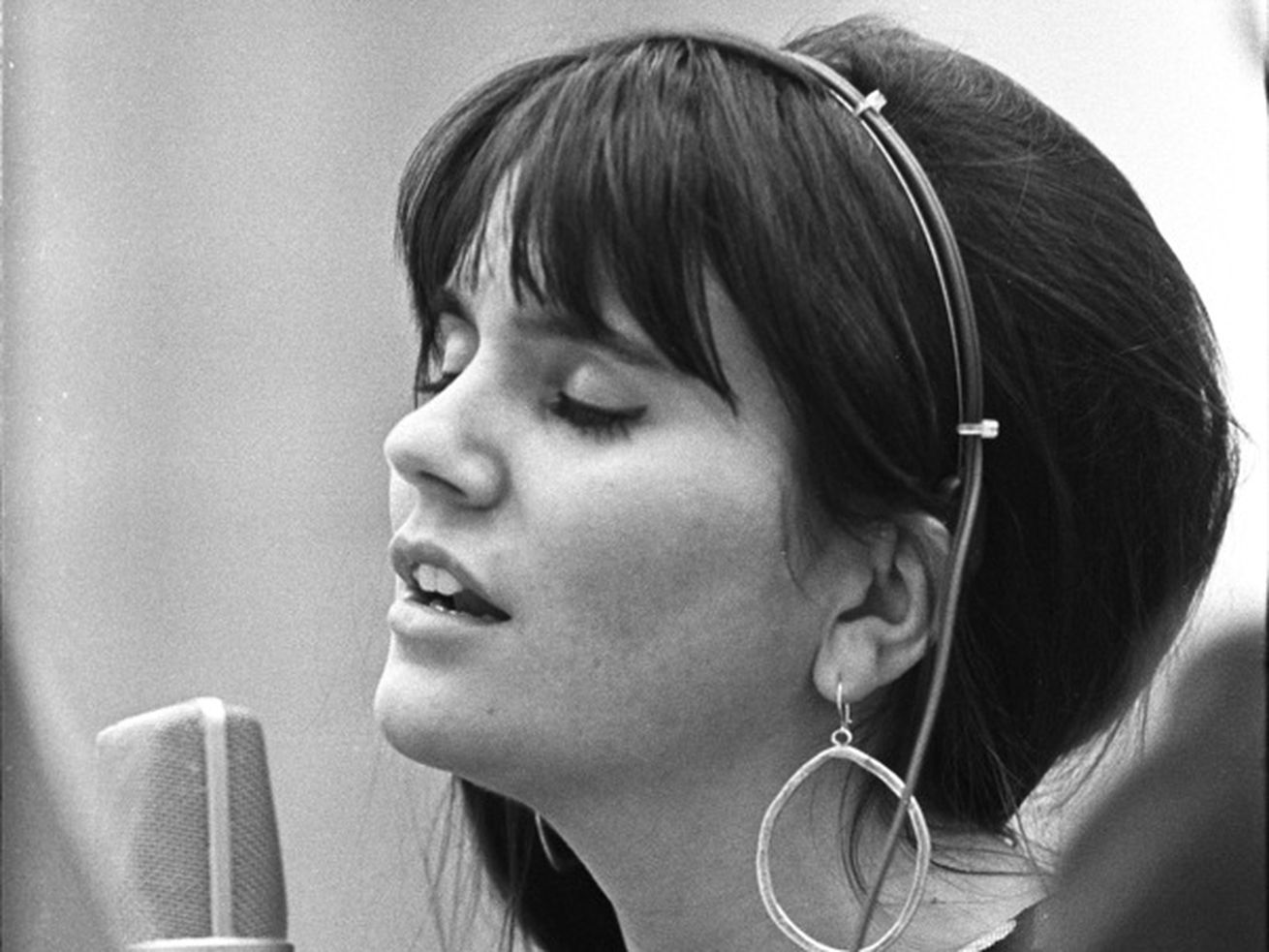
“All My Life” is a slow-bloom promise—two voices meeting in the middle of time, turning patience, devotion, and hard-earned tenderness into something that finally feels safe.
When Linda Ronstadt and Aaron Neville sing “All My Life”, it doesn’t feel like a performance trying to impress the room. It feels like a confession that simply arrives—softly, confidently—until you realize you’ve been holding your breath. This duet was released as a single in January 1990, drawn from Ronstadt’s album Cry Like a Rainstorm, Howl Like the Wind (released October 2, 1989, produced by Peter Asher, and recorded at Skywalker Ranch). The song’s chart story is not a footnote; it’s part of how the public recognized its quiet power: it reached No. 1 on Billboard’s Adult Contemporary chart and rose to No. 11 on the Billboard Hot 100. And later, the industry’s highest spotlight followed: Ronstadt and Neville won the Grammy Award for Best Pop Performance by a Duo or Group with Vocal for this recording (at the 1991 ceremony).
But the heart of the song predates the hit. “All My Life” was written by Karla Bonoff, one of those songwriters who can make emotional truth sound like plain speech, and she first recorded it on her 1988 album New World. Ronstadt’s choice to sing Bonoff has always felt telling: she gravitated toward songs where the pain is adult—where longing isn’t theatrical, just inevitable. In the late ’80s, Ronstadt had already proven she could command arenas; here, she chooses instead to listen—to leave space in the melody, to let the lyric breathe, to let love sound like something practiced rather than merely proclaimed.
That’s what makes the duet so moving: it’s built on restraint. Aaron Neville doesn’t overpower; he floats. Ronstadt doesn’t dramatize; she steadies. Their voices don’t fight for the center—they orbit it, circling the same vow from different angles, as if two people are finally saying aloud what they’ve been carrying silently for years. And because this is often tagged as the “1999 Remaster”, what you hear on that version is, in many releases, a slightly sharpened intimacy—cleaner edges, clearer breath, the sense that the microphones caught something private and time has preserved it with extra care (without changing what the performance is at its core).
The meaning of “All My Life” is deceptively simple: lasting love isn’t a lightning strike; it’s a long walk taken on purpose. The lyric’s devotion doesn’t feel naive—it feels tested. This isn’t the romance of first sight; it’s the romance of recognition: the moment you understand that the heart has been aiming toward one person all along, even when life tried to distract it. In Ronstadt’s phrasing, you can hear a kind of grown-up wonder—like someone surprised that tenderness can still be real after disappointment. In Neville’s tone, there’s a sweetness that never becomes sugary; it sounds like belief returning gently, without demanding applause.
It also helps to remember where the song sits in the broader Cry Like a Rainstorm, Howl Like the Wind story: the album is built around the chemistry between Ronstadt and Neville, and it became a major success in its own right, eventually reaching multi-platinum status. Yet “All My Life” doesn’t feel like a “career move.” It feels like two artists meeting at a certain age, in a certain light, and choosing to sing softly—because the softest truths are often the hardest to fake.
In the end, “All My Life (with Aaron Neville) – 1999 Remaster” isn’t just a love duet you admire. It’s one you return to. It carries that rare combination of warmth and ache—the sound of devotion that has survived time, doubt, distance, and pride, and still shows up… not with noise, but with presence.
