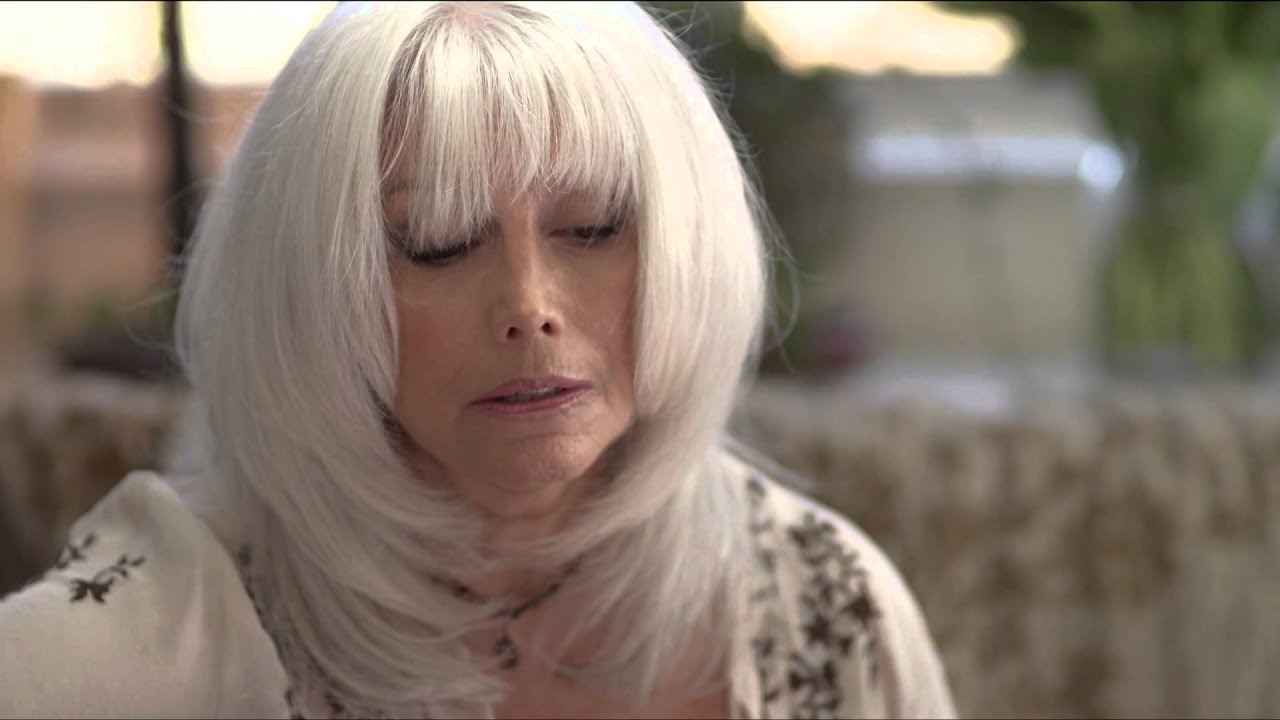
“Bang the Drum Slowly” is a farewell spoken in a steady voice—Emmylou Harris turning grief into grace, and letting love keep time when words can’t.
Emmylou Harris recorded “Bang the Drum Slowly” for her album Red Dirt Girl, released on September 12, 2000 by Nonesuch Records and produced by Malcolm Burn. This matters because Red Dirt Girl wasn’t just another chapter in her catalog—it was a turning point: the album is largely Harris’s own writing, a bold step for an artist long celebrated as one of music’s greatest interpreters. And in that deeply personal setting, “Bang the Drum Slowly” lands like a candle set down carefully in a dark room.
The song’s “ranking at launch” is best told through the album’s impact rather than a single-chart peak, because “Bang the Drum Slowly” was not released as a commercial single. Instead, it gained its stature inside an album that reached No. 54 on the Billboard 200 and No. 5 on Billboard’s Top Country Albums—a strong showing for an introspective, story-rich record that refused to chase radio trends. The album’s long shadow is even clearer in its honors: Red Dirt Girl won the Grammy Award for Best Contemporary Folk Album (awarded in 2001), confirming that this was a work people didn’t merely hear—they recognized.
The story behind “Bang the Drum Slowly” is as intimate as the melody itself. The song was co-written by Emmylou Harris and Guy Clark, and it was written as an elegy for Harris’s father. That one fact reshapes the entire listening experience. You’re not hearing a general meditation on loss; you’re hearing a daughter’s private language—carefully made public, not for display, but for witness. In the hands of a lesser writer, an elegy can tip into sentiment. Here, it doesn’t. It stays dignified. It stays human.
Even the title is a small masterstroke. To “bang the drum slowly” suggests a funeral cadence—measured, respectful, unhurried—like footsteps that refuse to rush past what they’re feeling. The drum becomes time itself: the pulse that continues after someone is gone, the steady beat of days that keep arriving whether the heart is ready or not. And because the instruction is “slowly,” the song implicitly asks the listener to do what modern life rarely permits: to sit with grief instead of trying to outrun it.
What makes Emmylou so devastatingly effective here is her restraint. She doesn’t sing as if she’s trying to prove sorrow. She sings as if sorrow is already proven—already lived in—already part of the furniture of the soul. That’s a different kind of power: the kind that comes from knowing you can’t bargain with loss, only carry it. The performance feels like a hand on your shoulder rather than a spotlight in your eyes.
Placed within Red Dirt Girl, the song also works as a moral center. This album is full of memory—Southern roads, family stories, the ache of what time changes and what it refuses to change. “Bang the Drum Slowly” distills those themes into a single act of love: remembering someone not as a headline or a monument, but as a presence that shaped your days. If you’ve ever had the experience of hearing a parent’s voice in your own—catching yourself saying a phrase the way they said it—this song understands that quietly startling moment. It treats it not as coincidence, but as inheritance.
And perhaps that’s the song’s deepest meaning: grief doesn’t only take. It also reveals. It shows you what mattered. It shows you what you were given. It shows you, painfully, that love is real precisely because it leaves an absence when it goes. “Bang the Drum Slowly” doesn’t try to make that absence beautiful. It simply makes it bearable—by giving it shape, rhythm, and a voice steady enough to hold it.
This is why the song has endured without needing chart fireworks. It’s the kind of track people return to when the world gets too loud for easy answers—when you want music that doesn’t interrupt your feeling, but accompanies it. Emmylou Harris, with Guy Clark at her side on the writing, offers a rare gift: a mourning song that never collapses into despair, because the love behind it is stronger than the sorrow in front of it.
