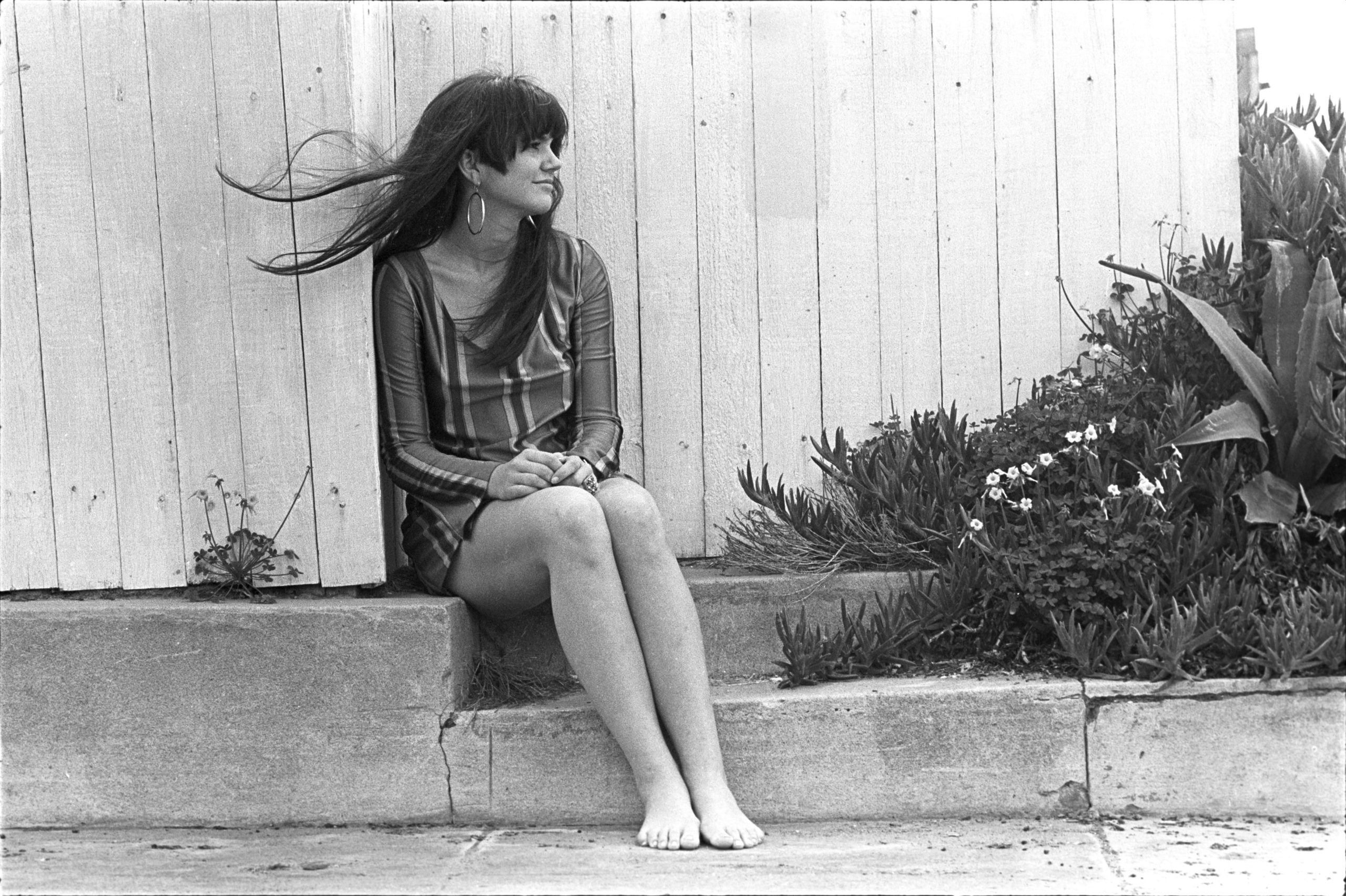
Linda Ronstadt’s “Mental Revenge” is more than an early country-rock cover—it is the sound of a young artist stepping into sharper emotional truth, where hurt, pride, and defiance meet in one unforgettable performance.
Long before Linda Ronstadt became one of the defining voices in American popular music, she was already showing listeners that she understood something essential about great country songs: they are rarely just sad, and they are never simple. Her version of “Mental Revenge”, written by Mel Tillis, carries that understanding in every phrase. It is flinty, wounded, intelligent, and quietly fearless—a performance that reminds us how early Ronstadt had begun to shape the emotional directness that would later make her a household name.
“Mental Revenge” appeared on Ronstadt’s 1970 album Silk Purse, a record that marked an important turn in her career. Recorded in Nashville and produced by Elliot Mazer, the album moved her closer to straight country at a time when many listeners still knew her mainly through folk-rock and the afterglow of her work with the Stone Poneys. Silk Purse did not become a blockbuster, but it mattered deeply. It showed that Ronstadt was not simply borrowing country style for color; she was entering the tradition with seriousness, respect, and a singer’s instinct for the ache hidden between the words.
As for chart history, “Mental Revenge” was not released as one of Ronstadt’s major charting singles, so it did not earn a notable standalone Billboard Hot 100 placement in her catalog. The album Silk Purse itself did make an impression, reaching the Billboard 200, and its title track became an early charting country single for Ronstadt. That context matters, because it places “Mental Revenge” inside the moment when she was proving—song by song—that she could inhabit country music without losing the rock-and-roll edge that made her distinctive.
The song’s backstory is worth lingering over. Mel Tillis, one of Nashville’s great songwriters, had a gift for writing lines that sounded plain on the surface but cut very deep. “Mental Revenge” is built on one of country music’s most memorable emotional premises: a narrator so hurt and embittered by betrayal that he imagines a kind of poetic payback, not through action but through the hope that life itself will one day return the pain. It is not a sweet song, and that is precisely why it lasts. The title alone is brilliant—revenge not as spectacle, but as a private, simmering reckoning of the mind and heart.
What makes Linda Ronstadt’s version so compelling is that she does not overplay the bitterness. She sings with restraint, but never with distance. That balance is one of her great gifts. Lesser singers might have turned the song into a sneer or a melodramatic lament. Ronstadt gives it something richer: controlled fire. Her phrasing suggests someone who has moved beyond pleading and entered that colder, clearer place where disappointment hardens into memory. The hurt is still there, but now it wears dignity.
That emotional shading is part of what made Ronstadt so special in the early 1970s. She could sound vulnerable without sounding weak, and strong without sounding guarded. On “Mental Revenge”, those qualities live side by side. The performance does not ask for sympathy. It simply tells the truth as the song sees it. That kind of honesty can be unsettling, especially in a song where forgiveness never fully arrives. But it is also what makes the recording feel adult, lived-in, and strangely timeless.
Musically, the track sits in that fertile borderland where country, honky-tonk, and emerging country-rock meet. The arrangement never buries the lyric. Instead, it gives Ronstadt room to let the words land with full weight. There is steel-edged sadness in the instrumental texture, yet the performance never drifts into self-pity. It keeps moving forward, as if the singer understands that pain may linger, but life does not stop for it. That tension—between injury and motion—is one reason the recording still feels so alive.
There is also something quietly radical about Ronstadt singing material like this at that stage of her career. In those years, the industry often tried to sort female artists into neat categories: folk ingénue, rock frontwoman, country stylist, pop interpreter. Linda Ronstadt resisted that narrowing simply by singing what she believed in. With “Mental Revenge”, she took a song associated with classic country songwriting and made it part of her own evolving identity. She did not soften its sting. She did not prettify its bitterness. She trusted the song, and just as importantly, she trusted herself inside it.
That trust would define so much of what followed. By the time Ronstadt reached her commercial peak with albums like Heart Like a Wheel and later triumphs across rock, country, and pop standards, listeners could hear that her authority had been earned song by song, choice by choice. “Mental Revenge” may not be the first title casual fans mention, but it reveals an essential truth about her artistry. She was never only a beautiful voice. She was a reader of emotional weather, a singer who understood where a lyric bruised, where it resisted, where it refused consolation.
And perhaps that is why the song still lingers. Not because it promises healing, but because it captures a feeling many songs are too polite to name. There are moments when the heart does not want noble closure. It wants to remember. It wants justice, even if only in imagination. Mel Tillis wrote that feeling with rare bluntness, and Linda Ronstadt sang it with the kind of clear-eyed grace that turns bitterness into art.
Listen again now, and “Mental Revenge” sounds like more than an album track from Silk Purse. It sounds like an early declaration. Here was Linda Ronstadt, still on the way to becoming a legend, already showing that she could take a hard country song in her hands and make it feel both intimate and enduring. In that sense, the title says less about vengeance than memory itself—how certain wounds fade, but certain songs never do.
