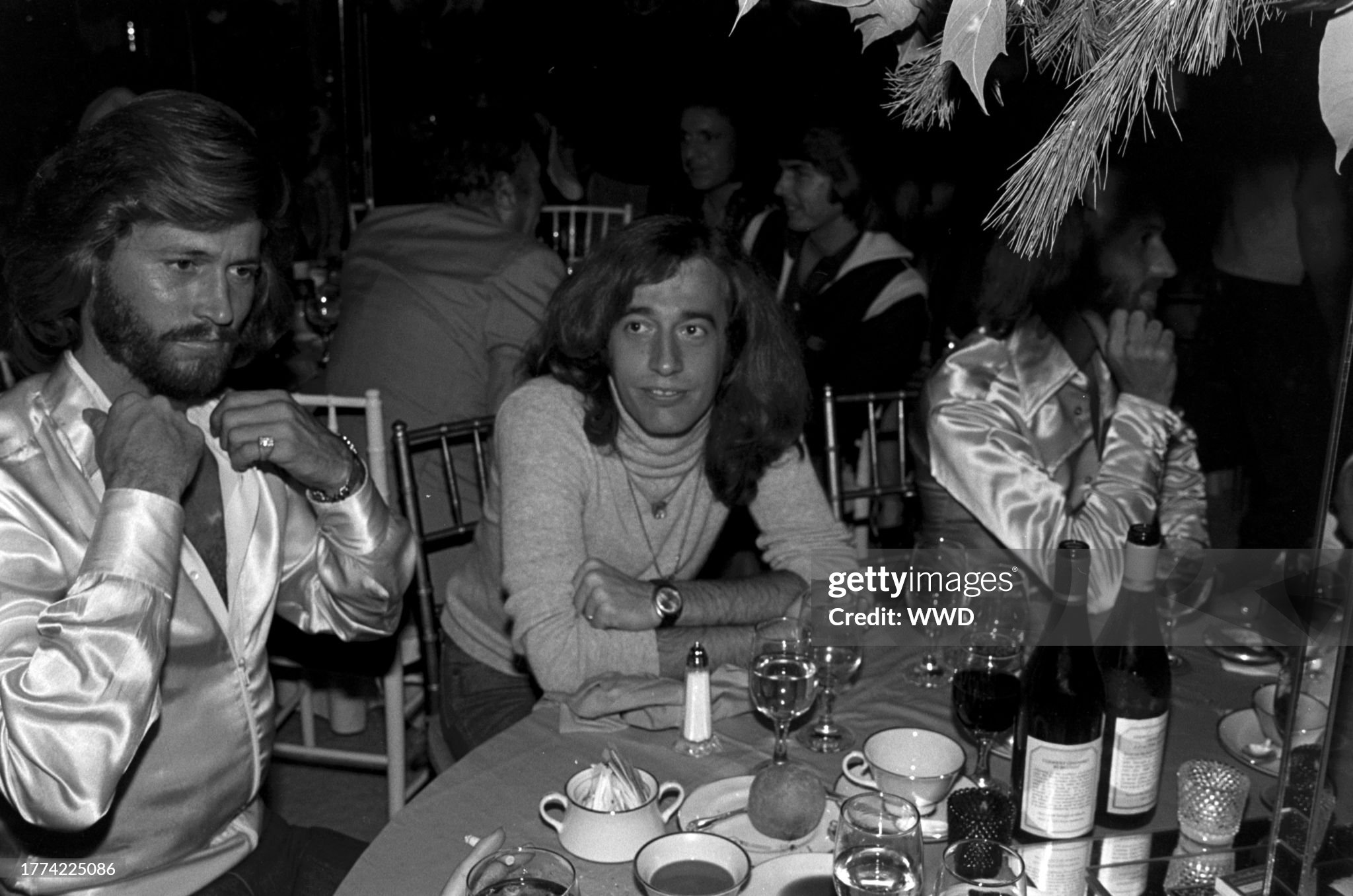
On The British Opera, the Bee Gees gave Odessa one of its most theatrical, eccentric, and revealing moments—a song that feels like English pageantry wrapped around private melancholy.
The British Opera was never a hit single, and that matters because it helps explain why so many listeners came to the Bee Gees through the radio staples while missing the stranger, richer corners of their late-1960s work. Released in 1969 as part of the ambitious double album Odessa, the song did not chart on its own. But the album itself made a respectable showing, reaching No. 10 in the UK and No. 20 on the US Billboard album chart. That commercial response told only part of the story. What really made Odessa important was its reach: a grand, ornate, sometimes eccentric record that pushed the group far beyond straightforward pop and into something more literary, more theatrical, and in places almost defiantly English. The British Opera sits right in the middle of that artistic daring.
By 1969, the Bee Gees were no longer simply the brothers with immaculate harmonies and heartbreak ballads. They were stretching. The success of songs like Massachusetts, I Started a Joke, and To Love Somebody had already established their melodic gifts, but Odessa was where they tried to build a world, not just a collection of songs. Produced in collaboration with Robert Stigwood and shaped by the lush orchestral thinking of arranger Bill Shepherd, the album embraced chamber pop, music hall, baroque textures, and narrative ambition. In that setting, The British Opera feels less like a conventional track and more like a scene from a vanished stage—half affectionate tribute, half sly observation of the cultural world that formed them.
Its importance is not in chart statistics but in atmosphere. The title alone tells you much of what you need to know. This is not “opera” in the strict classical sense, but opera as pageant, costume, tradition, and heightened feeling. The song carries that unmistakable late-1960s Bee Gees quality: ornate but intimate, theatrical yet fragile. It reflects their fascination with British identity, old forms, and the emotional weight hidden inside performance. So much of their best work from this period lives in that tension. Beneath the carefully arranged surfaces, there is always a tremor of sadness, longing, or distance. That is one reason this era still draws listeners back. It sounds elaborate, yes—but never emotionally empty.
What makes The British Opera especially fascinating is the way it reveals the group’s restless imagination at a moment when internal strain was beginning to show. Odessa is often remembered not only for its musical ambition but for the tensions surrounding it. The making and release of the album came during a period of growing conflict within the band, especially between Barry Gibb and Robin Gibb. Not long after the album’s arrival, Robin temporarily left the group. That knowledge gives songs from this period an added poignancy. When you hear something as stylized and unusual as The British Opera, you are also hearing a band at the edge of change—still capable of building intricate beauty, but already carrying the strain of competing visions.
And yet there is warmth here too. The Bee Gees had a rare ability to make sophistication feel human. Even at their most decorative, they never sounded like musicians hiding behind complexity. Their harmonies always carried feeling first. On The British Opera, that instinct keeps the song from becoming a novelty or period exercise. Instead, it feels like a small theatrical chamber where memory, tradition, and wit are all sharing the same air. This is one of the reasons Odessa has aged so intriguingly. It is not a perfect album in the neat commercial sense, but it is full of moments that reward patient listening. The songs are textured, unpredictable, and haunted by a kind of old-world romanticism that few pop groups could manage convincingly.
The meaning of The British Opera lies less in a simple lyrical thesis than in what it evokes. It captures the Bee Gees in conversation with Britain’s own dramatic inheritance—music hall tradition, stagecraft, social observation, elegance, and melancholy. It feels like a portrait of performance itself: public beauty carrying private feeling underneath. That was always one of the Bee Gees’ secret strengths. Even when the arrangements were grand, the emotion was often bruised and intimate. They understood that songs could dress themselves in velvet and still whisper loneliness.
For listeners who know the group mainly through later triumphs like Saturday Night Fever, songs such as The British Opera can come as a revelation. They remind us that the Bee Gees were not simply hitmakers moving from era to era. They were craftsmen of mood, students of form, and fearless seekers of sound. Before disco remade their image for the world, they had already built one of the most distinctive catalogs of late-1960s pop. Odessa remains one of the clearest windows into that world, and The British Opera is part of what gives the album its peculiar grace.
It may never be the song people name first, and perhaps that is exactly why it lingers. Some tracks announce themselves immediately; others wait for the years to do their work. The British Opera belongs to the second kind. It is a reminder that the Bee Gees were capable of grandeur without bombast, nostalgia without sentimentality, and theatricality without losing emotional truth. Heard now, it feels like a beautifully preserved room from a more daring chapter in their story—quietly ornate, faintly wistful, and impossible to mistake for anyone else.
