
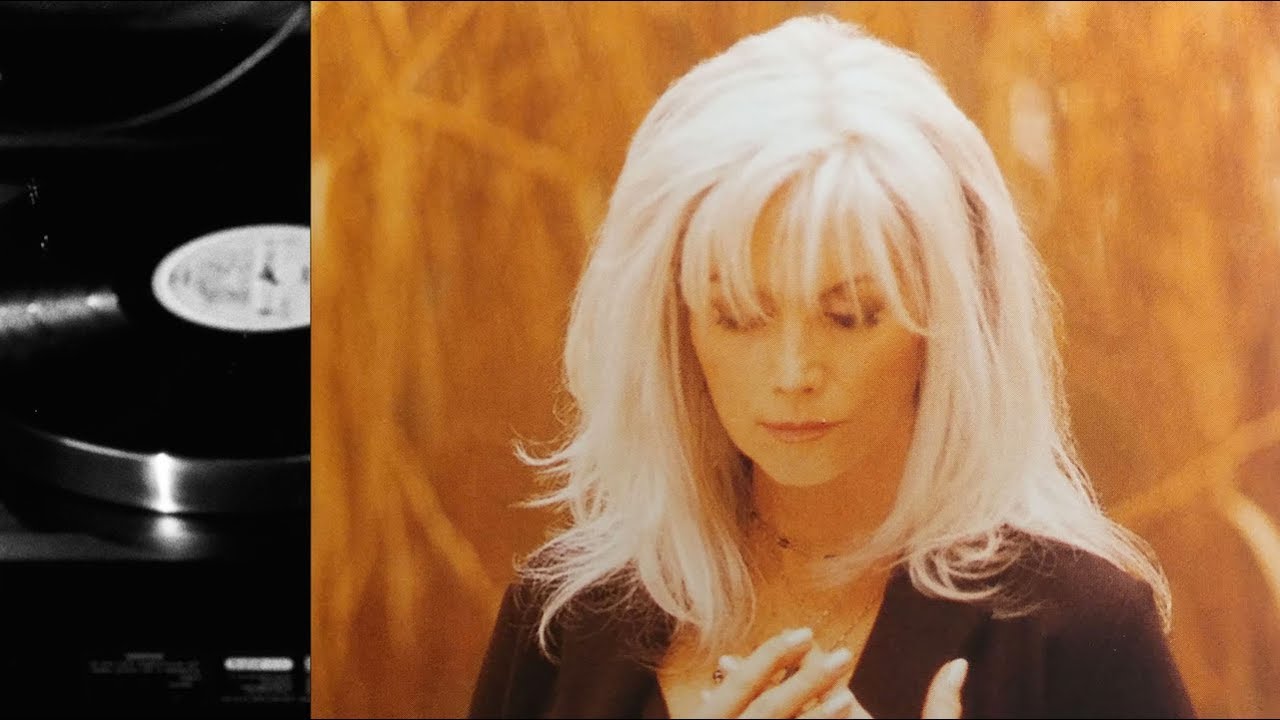
Emmylou Harris did not simply cover Coat Of Many Colors—she carried its quiet dignity into a softer, more reflective place, and the remastered version lets that grace rise with new clarity.
The remastered presentation of Emmylou Harris singing Coat Of Many Colors invites listeners back to one of the gentlest and most revealing performances on her 1975 album Pieces of the Sky. This was never a flashy recording, and that is precisely why the remaster matters. It gives fresh air to the stillness, the phrasing, the restrained ache in her voice. For listeners who first knew the song through Dolly Parton, it is a reminder that a great song can live more than one life. Parton’s original recording, released in 1971 and later rising to No. 4 on Billboard’s Hot Country Singles chart in early 1972, became one of the defining songs of her career. Emmylou Harris’s version, by contrast, was not a major chart single. It lived on an album, quietly, and endured because of feeling rather than commercial push.
That distinction tells you almost everything about why this recording matters. When Emmylou Harris recorded Coat Of Many Colors for Pieces of the Sky, she was still emerging from a painful and transformative chapter of her life and career. She had already been deeply marked by her work with Gram Parsons, and after his passing, she was finding her own artistic identity with unusual courage. Pieces of the Sky, produced by Brian Ahern, introduced a singer who could honor tradition without sounding trapped by it. Her reading of this song fits that moment beautifully. It is rooted in country storytelling, but it also carries the delicate emotional shading that became one of her signatures.
The story behind Coat Of Many Colors is one of the most beloved in country music because it is so simple and so human. Dolly Parton wrote it from childhood memory, inspired by a coat her mother stitched together from rags. The title nods to the Biblical story of Joseph, but the emotional center is not grandeur. It is love made visible through hardship. In the song, a mother turns scraps into something precious, and a child wears it with pride, only to be mocked by others who cannot see what it really means. That is why the song has lasted so long. It is about poverty, yes, but even more than that, it is about dignity, innocence, and the painful gap between what the world laughs at and what the heart knows is sacred.
Emmylou Harris does not try to out-sing that story. She does something wiser. She leans into its humility. Where some singers might underline the sentiment, she trusts the writing and lets the emotional weight gather almost unnoticed. Her voice on this track has a floating tenderness, but it never drifts away from the earthiness of the lyric. She sounds as if she understands that memory often arrives not as drama, but as a hush. That is what makes her version so moving. She does not perform the song as a public declaration. She sings it almost like a private remembrance.
The remastered version deepens that impression. The acoustic textures feel more open, the vocal more centered, the small details more alive. You hear the patience in the arrangement. You hear how carefully the song was allowed to breathe. That matters with an artist like Emmylou Harris, whose greatness often lives in nuance rather than force. A remaster cannot change the soul of a performance, but it can remove some of the veil between the listener and the original emotional intent. Here, that means the sorrow of embarrassment, the warmth of maternal love, and the grace of survival all come through a little more vividly.
It also reminds us what a remarkable interpreter Emmylou Harris has always been. Many singers can deliver a melody. Fewer can enter a song that already belongs to another great artist and reveal a new interior light. That is what happens here. Dolly Parton’s original has the plainspoken authority of autobiography. Emmylou’s version has the reflective beauty of one woman recognizing the truth in another woman’s story and carrying it forward without trying to claim it. There is generosity in that kind of singing, and listeners can feel it instinctively.
In the end, Coat Of Many Colors remains one of country music’s most enduring statements about love without wealth, pride without vanity, and faith without spectacle. In the remastered Emmylou Harris recording, those themes do not feel old at all. They feel preserved, almost protected. The performance still glows with the kind of emotional honesty that never goes out of style. It takes listeners back not only to a remarkable album in Pieces of the Sky, but also to a deeper truth that country music, at its best, has always known: what looks small to the world can hold immeasurable value.
That is why this version stays with people. Not because it shouts, and not because it was built to dominate the charts, but because it understands the quiet power of being loved in hard times. In Emmylou Harris’s Coat Of Many Colors, especially in this remastered form, the song feels less like a classic being revisited and more like a memory being carefully unfolded again, stitch by stitch.
