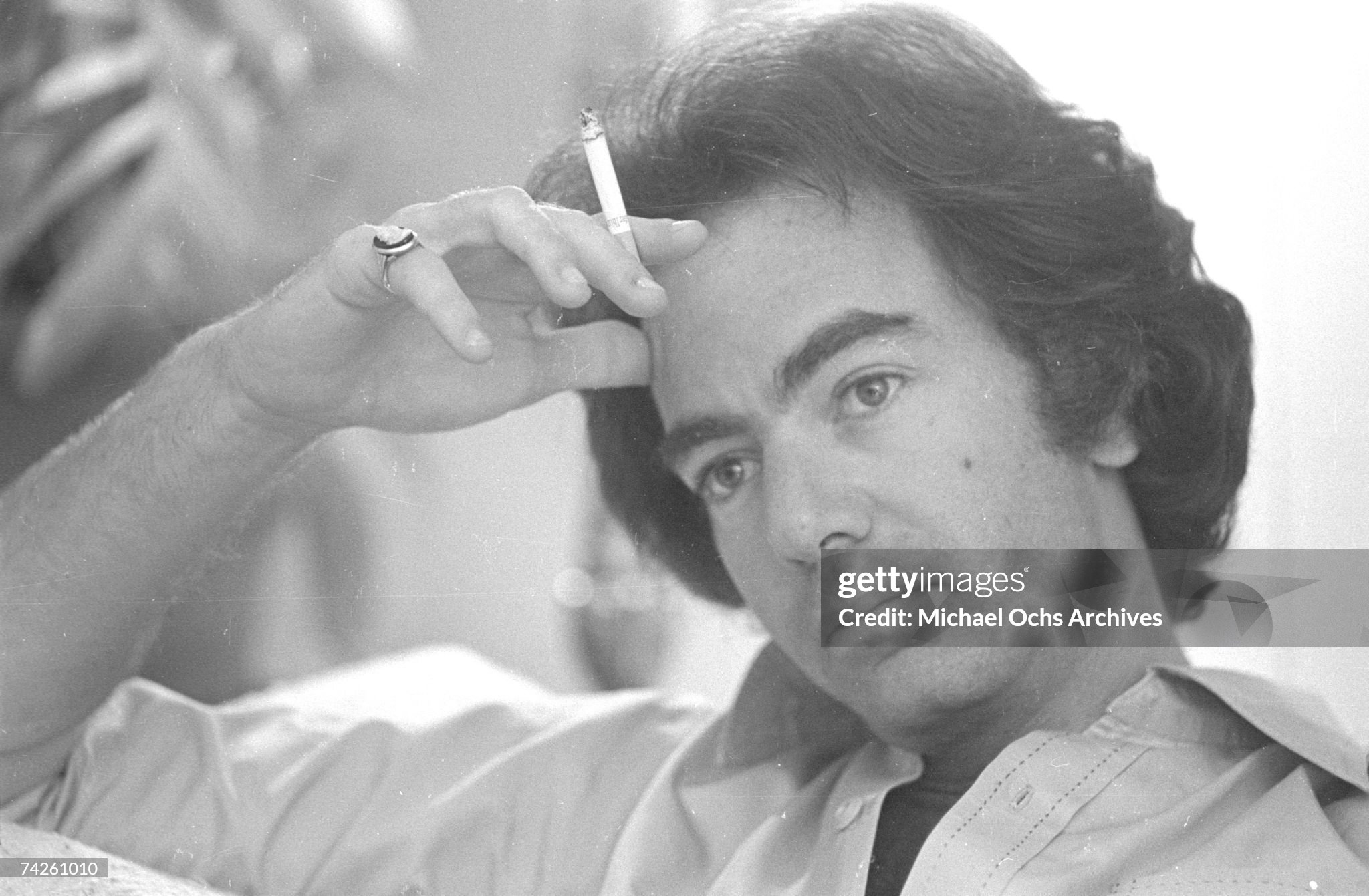
Be (Introduction of Jonathan) is more than an opening track from Neil Diamond.
It is the first breath of Jonathan Livingston Seagull—a gentle, searching beginning that turns flight into a spiritual longing.
When people speak of Neil Diamond and the music from Jonathan Livingston Seagull, they often remember the larger anthem Be. But the version named Be (Introduction of Jonathan) deserves its own attention, because it is not merely a fragment or a prelude. It is the doorway into the entire emotional world of the 1973 soundtrack. This opening passage introduces Jonathan not as a bird in a storybook sense, but as a restless soul, reaching for something higher than the ordinary rules of the flock. That difference matters. The single version of Be went on to become a Top 20 hit in America, reaching No. 17 on the Billboard Hot 100 in 1973, while the soundtrack album Jonathan Livingston Seagull climbed to No. 2 on the Billboard album chart. Yet the quiet emotional center of the piece is already present in this introduction.
The subject itself was unusual for a major pop star at the time. Jonathan Livingston Seagull, adapted from Richard Bach’s beloved novella, was never a conventional film story. It was a meditation on freedom, purpose, discipline, and the lonely price of wanting more than the world expects from you. Neil Diamond met that challenge not by writing something flashy, but by creating music that feels suspended between prayer and motion. Be (Introduction of Jonathan) carries the mood of first awakening. It does not rush. It does not need to. It lets the listener feel the pull of sky, distance, and possibility before the story fully unfolds.
That is one reason the piece has remained so affecting. The word Be sounds simple, but in Diamond’s hands it becomes almost a commandment of the spirit. Not to impress. Not to conquer. Simply to become. To exist fully. To rise into the self one was meant to discover. In the context of Jonathan, that meaning becomes even richer. Jonathan is not satisfied with routine survival. He wants mastery, beauty, and understanding. So when this introductory version begins, it is as if Diamond is naming the deepest wish behind the character before Jonathan himself can fully speak it.
Musically, the piece carries the kind of lift that Diamond could achieve when he moved beyond pop structure and into something more cinematic. The melody is tender, but there is resolve inside it. The arrangement has a floating quality, as though the music is learning how to glide on air. There is very little heaviness in it. Even when the emotion deepens, it never feels burdened. That is part of the genius of Be (Introduction of Jonathan). Many songs about aspiration become grand and declarative. This one stays intimate. It trusts that yearning, when honestly expressed, can be more powerful than spectacle.
It also occupies a fascinating place in Neil Diamond’s career. By the early 1970s, he was already a major recording star with a catalog full of unforgettable songs. But the Jonathan Livingston Seagull project showed another side of him: reflective, philosophical, almost devotional. Listeners who knew him from hits like Sweet Caroline or Cracklin’ Rosie heard something different here. This was not the Neil Diamond of crowd-pleasing singalongs. This was a songwriter reaching toward transcendence. That may be why the soundtrack has held such a particular place in his body of work. Even for admirers of his biggest chart records, this album often feels like a private corner of the catalog, where he allowed himself to be more vulnerable and searching.
There is also a quiet irony in the history of the project. The film itself received a mixed response, and over time it was often the music that lingered more deeply than the motion picture around it. That happens sometimes in popular culture: the song outlives the scene, the feeling outlasts the production. In this case, Neil Diamond’s music gave the story a heartbeat that many listeners carried with them long after the details of the film had faded. Be (Introduction of Jonathan) is a perfect example of that endurance. Even detached from the film, it still works. It still speaks. It still opens an inner landscape.
What makes it especially moving now is the way it understands hope without naivety. This is not a childlike fantasy about flying away from every problem. There is a solemn quality beneath the beauty. Jonathan’s desire to rise also means separating himself from comfort, expectation, and approval. That undertone is present from the beginning. So the introduction does not merely announce a character; it announces a calling. And callings, as life teaches us, are rarely easy. That is why the piece can feel so personal to listeners. It touches that part of the heart that remembers wanting more from life, even when more came with cost.
In the end, Be (Introduction of Jonathan) remains one of those rare soundtrack openings that does far more than introduce a narrative. It introduces a way of listening. It asks for stillness. It asks for openness. It asks us to hear not just a melody, but a longing. The hit single Be gave the public a memorable song and deservedly found success on the charts. But this introductory version may be the purer statement. Here, before the lift of the full composition, before the wider sweep of the soundtrack, Neil Diamond gives us the first fragile impulse toward freedom. It is quiet, yes. But some of the most lasting music begins exactly that way.
