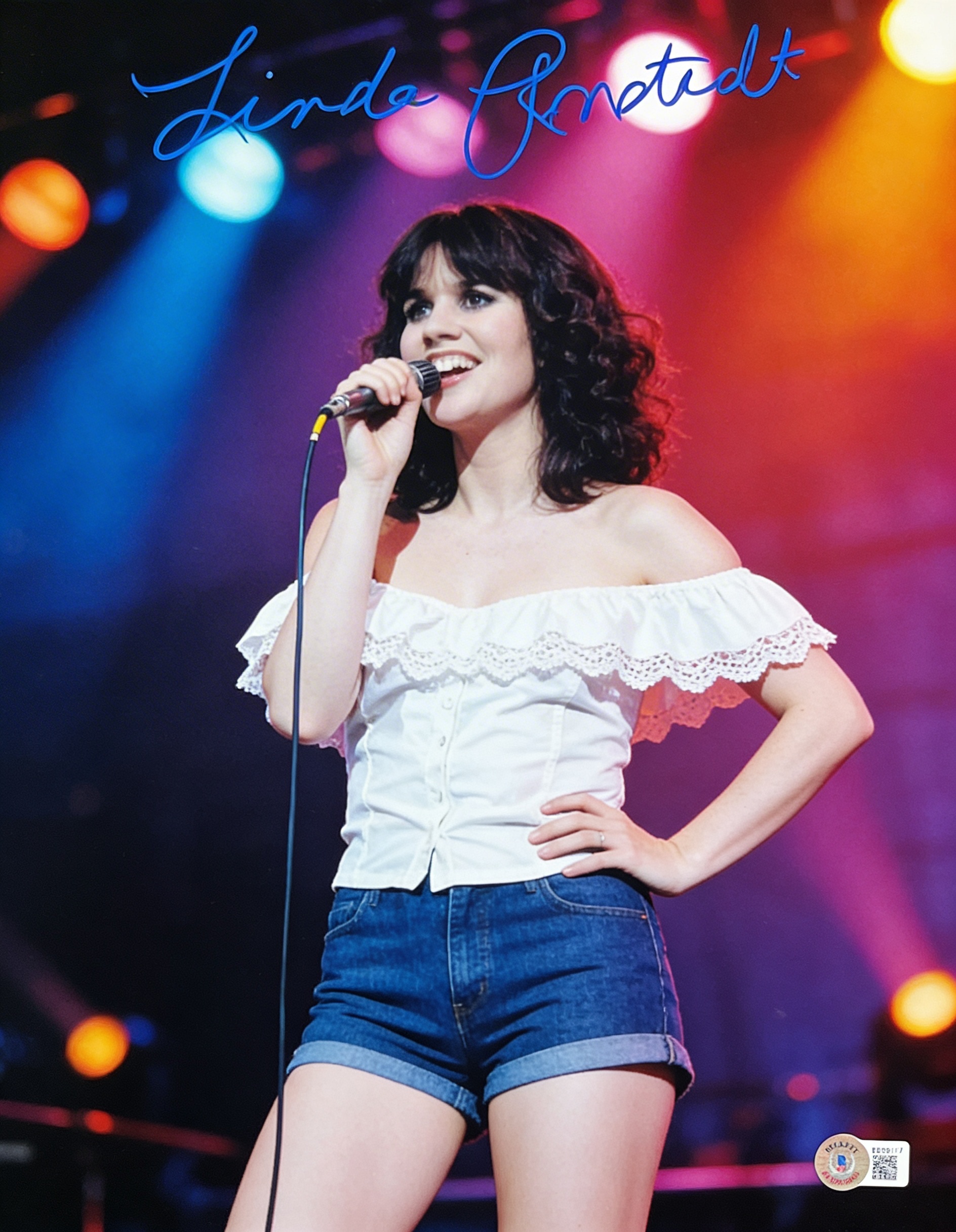
On Women ’Cross the River, Linda Ronstadt turns a roots song into a crossing point between beauty, warning, and hard-earned folk memory.
Women ’Cross the River appears on Linda Ronstadt’s 1995 album Feels Like Home, a record that placed her voice inside a carefully chosen landscape of folk, country, bluegrass, and American roots songwriting. By that point, Ronstadt had already spent decades refusing the idea that a singer should remain in one musical room forever. She had moved from California country-rock into pop, standards, Mexican music, and intimate collaborations, treating genre less like a boundary than a series of open doors. On Feels Like Home, the album title suggests comfort, but this particular track complicates that promise. Rather than offering a gentle return, Women ’Cross the River feels like a song carried in from somewhere older, darker, and more watchful.
The song is associated with the writing of David Olney, a songwriter whose work often carried the shape of old ballads without simply imitating them. That quality gives Ronstadt something unusually rich to interpret. Women ’Cross the River does not behave like a polished pop showcase. It has the feeling of a story that has already survived several tellings before it reaches the listener. The river in the title is not just scenery. In folk music, rivers often mark a threshold: danger on one bank, memory on the other, escape somewhere in between. Ronstadt understands that symbolic weight, and her reading lets the image widen rather than forcing it into melodrama.
That restraint is what makes the performance stand out. Ronstadt is often remembered for the force and clarity of her voice, for the way she could open a note until it seemed to fill the entire room. But one of her great gifts as an interpreter was proportion. She knew when not to overwhelm a song. On Women ’Cross the River, she does not sing as if she is trying to conquer the material. She sounds as if she is listening to it while singing it, allowing the narrative to move through her rather than using it as a vehicle for display. The result is a performance that feels alert, disciplined, and quietly severe.
Placed within Feels Like Home, the track gains even more resonance. The album included material connected to writers such as Randy Newman, Neil Young, and Tom Petty, showing Ronstadt’s continued instinct for songs that could survive outside their original settings. In the mid-1990s, when much of mainstream country was becoming sleeker and radio formats were growing more sharply defined, Ronstadt’s record felt like a conversation with older musical routes. It was not a retreat from modern music so much as a reminder that American song traditions had always been porous. Folk, country, gospel feeling, mountain balladry, and singer-songwriter craft could still meet inside one voice.
Women ’Cross the River is a fine example of that meeting point. Ronstadt does not make the song sound antique for its own sake. She does not dress it up as a museum piece. Instead, she gives it a living shape, honoring its folk gravity while letting her own interpretive intelligence guide the emotional temperature. The arrangement supports that approach by leaving room for the words and for the spaces between them. The feeling is not crowded. It moves with a measured patience, the kind that invites the listener to notice small changes in phrasing, pressure, and breath.
What makes the reinterpretation so compelling is the contrast between the album’s title and the unsettled world this song creates. Feels Like Home can sound, at first glance, like a promise of shelter. Yet Ronstadt was too sophisticated a singer to treat home as a simple idea. In her catalog, home could be language, landscape, harmony, ancestry, memory, or longing. On Women ’Cross the River, home is not necessarily a safe room with a lamp in the window. It may be something on the far bank, something remembered, something unreachable, or something that demands a dangerous crossing before it can be claimed.
That is why the track lingers. It is not the loudest moment on the record, and it does not ask for attention with obvious grandeur. Its power comes from the way Ronstadt lowers the temperature and lets the old folk machinery do its work. A few images, a guarded vocal, a sense of motion across water: from these elements she builds one of the album’s most serious performances. The song becomes less about spectacle than witness. It suggests lives moving under pressure, choices made without certainty, and a river that carries more than its surface reveals.
Listening back to Women ’Cross the River now, it becomes clear how much of Ronstadt’s artistry lived in selection and transformation. She did not merely cover songs; she entered them, altered their light, and made their emotional architecture easier to feel. On Feels Like Home, this track stands as a reminder that a great interpreter can make a modern folk song feel as if it has been waiting in the shadows for years, needing only the right voice to bring it across.
