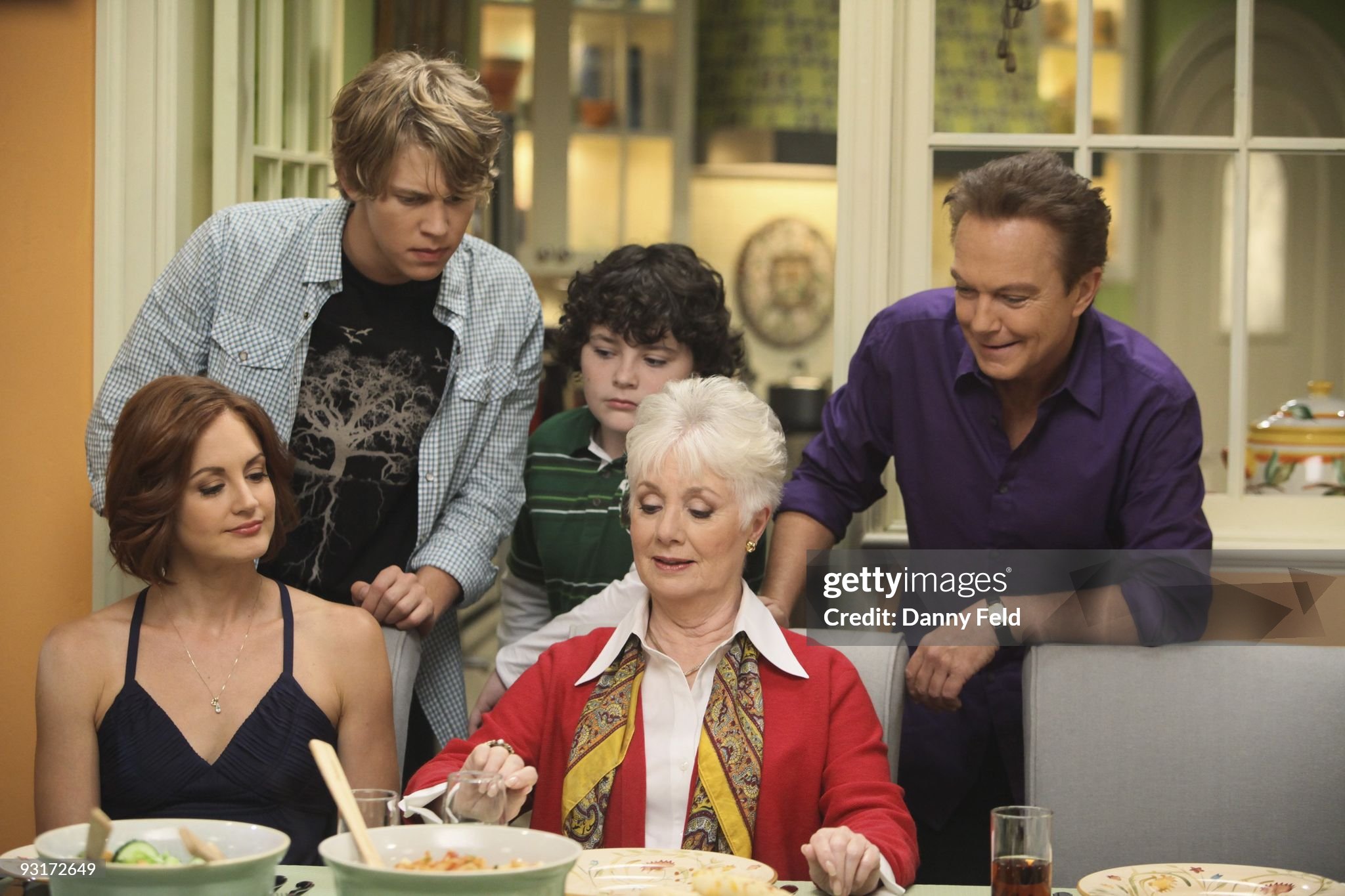
Later reissues of The Partridge Family Album gave “To Be Lovers” a second life, and in that quieter return, listeners could finally hear how much tenderness and ache David Cassidy had already brought to the microphone.
When The Partridge Family Album arrived in 1970, it entered American homes on a wave of television popularity and pop-chart momentum that was almost impossible to separate from the show itself. Powered by the massive success of “I Think I Love You”, which reached No. 1 on the Billboard Hot 100, the album climbed to No. 4 on the Billboard Top LPs chart. At the time, the public story was simple: bright family entertainment, polished pop hooks, and a fresh-faced young star in David Cassidy. But later reissues of that debut album helped reveal a more delicate truth. Away from the sitcom image, one of the record’s quieter songs, “To Be Lovers”, began to sound less like a period piece and more like an early clue to the emotional singer Cassidy already was.
That matters, because the original reception of The Partridge Family was so deeply tied to television. For many listeners in 1970, the songs arrived with ready-made visual associations: the bus, the smiles, the weekly storyline, the clean and cheerful packaging of family pop. Even when the records were genuinely well made, they were often filed away too quickly as “TV music,” as though that label explained everything. Yet the records themselves were often more nuanced than the image surrounding them. Produced in the polished Los Angeles pop world of the early 1970s, and built with professional studio craftsmanship, the album carried far more musical care than critics sometimes admitted. In the case of “To Be Lovers”, that care is heard most clearly in the vocal.
What later reissues did was simple but powerful: they gave listeners the chance to hear the album as an album again. Not just as a souvenir of a television phenomenon, not just as the home of a smash single, but as a sequence of performances. In that setting, “To Be Lovers” could finally breathe. The song does not rely on flash. It is not driven by novelty, and it does not ask for attention with the same immediate sparkle as the group’s biggest hits. Instead, it asks for something rarer: patience. And when heard patiently, David Cassidy sounds strikingly exposed for such an early performance.
There is a softness in the way he approaches the melody, but it is not softness without weight. The tenderness in “To Be Lovers” comes with hesitation, as though the feeling in the lyric is being protected even while it is being offered. That is where the ache lives. Cassidy does not oversing the song. He does not push every phrase toward a grand emotional payoff. He lets the vulnerability sit in the line itself, and that restraint now feels like the performance’s greatest strength. Long before his solo career would give audiences more direct access to his emotional range, this recording already suggested that he could carry longing in a way that felt human rather than manufactured.
The meaning of “To Be Lovers” rests in that emotional threshold so many great pop songs understand: the fragile place between wanting love and being certain of it. It is a song that seems to reach forward even while fearing disappointment. In lesser hands, material like this can sound merely sweet. Here, it carries a quiet uncertainty. That is precisely why the track has aged so well for listeners returning through reissues. Once the television glow is stripped away, the song reveals a young singer who understood that romantic yearning is not always dramatic. Sometimes it is careful. Sometimes it is restrained. Sometimes the most believable sadness is the one that never raises its voice.
And that is where the later rediscovery becomes so important in the story of David Cassidy. Reissues often do more than preserve recordings; they rearrange reputations. They invite listeners to hear old material without the noise that once surrounded it. In the case of The Partridge Family Album, that meant hearing past the franchise, the merchandising, the teen-idol frenzy, and the assumptions that came with all of it. For some fans, revisiting “To Be Lovers” became a reminder that Cassidy’s appeal was never based on charm alone. The voice itself had feeling in it. Even at this early stage, there was warmth, control, and a lightly bruised emotional quality that did not fit neatly inside the sitcom frame.
That reassessment also helps explain why so many listeners speak of Cassidy with more seriousness now than he was often granted in his peak years. The old caricature of the manufactured teen sensation becomes harder to defend when one listens closely to performances like this. “To Be Lovers” does not ask us to deny the pop packaging of The Partridge Family; it simply asks us to hear what was inside it. And what was inside it, at least here, was a singer capable of shading a simple love song with genuine yearning.
In the end, that may be the real gift of those later reissues. They did not invent new depth in the recording. They merely gave people the distance, context, and clarity to notice what had been there all along. “To Be Lovers” now stands as one of those quietly revealing tracks that can change how an artist is remembered. On the surface, it belongs to a hugely successful 1970 pop album born from television fame. But at heart, it sounds like something more intimate: an early moment when David Cassidy let the mask slip just enough for listeners to hear the tenderness underneath. And once you hear that ache, it becomes very difficult to go back to the old, simpler story.
