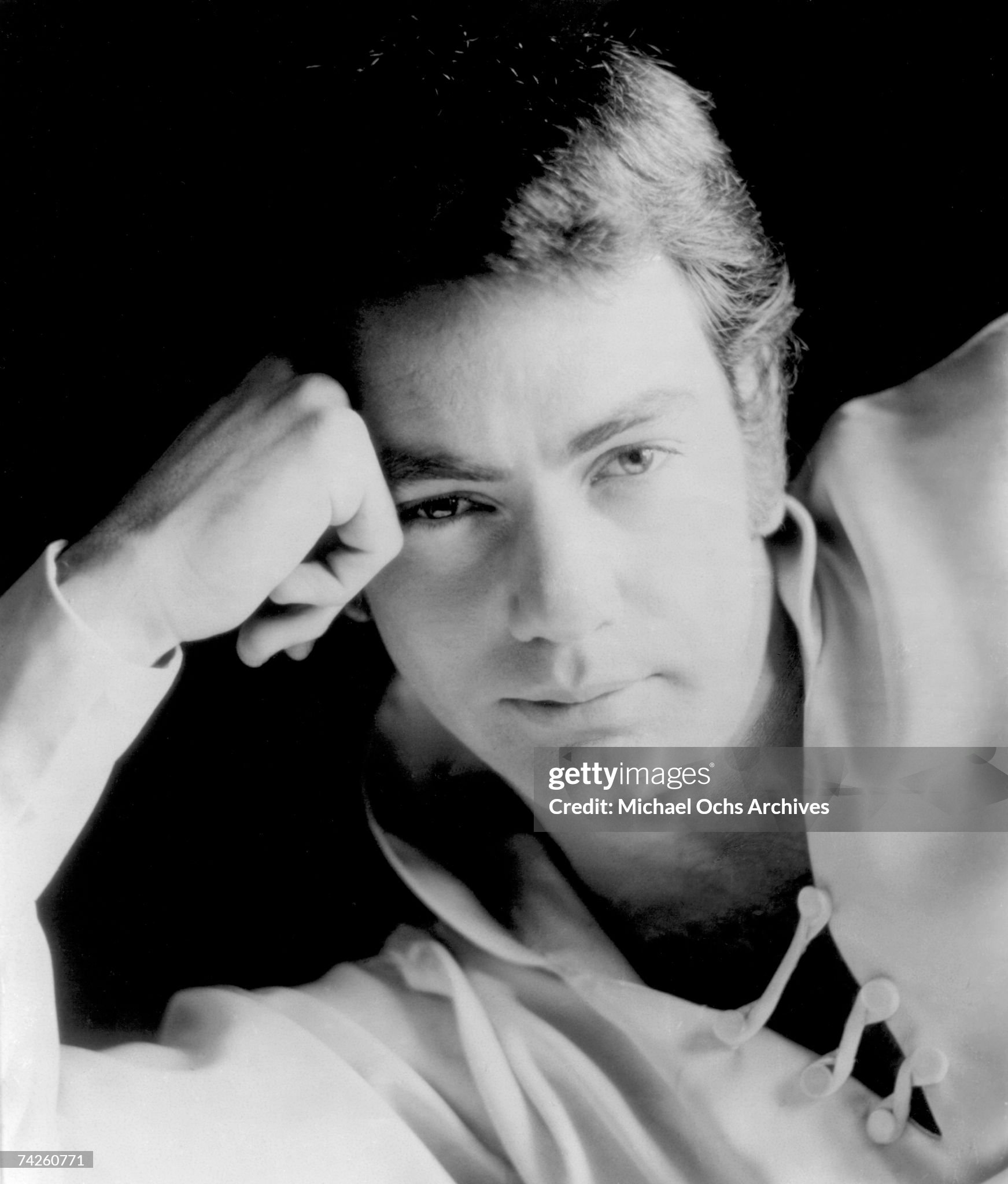
Neil Diamond turned A Song for You into something deeply personal: not just a love song, but a quiet confession about gratitude, distance, and the cost of being heard.
There is something especially moving about hearing a great songwriter sing a song he did not write. In Neil Diamond‘s reading of A Song for You, that feeling comes almost immediately. The song itself was written by Leon Russell and first appeared on Russell’s 1970 debut album Leon Russell, but when Diamond took it into his own voice, he did not treat it like borrowed material. He sang it as though he had lived inside every line.
One important point deserves to be made early: Neil Diamond‘s version of A Song for You was not known as a major U.S. Billboard Hot 100 hit single in the way many of his signature records were. It is remembered more as an interpretive performance than as a chart-driven event, and that matters. Some recordings arrive with fanfare and positions on the charts. Others find their place more quietly, through the emotional authority of the singer. This one belongs to the second kind. For listeners who know Diamond chiefly through massive hits like Sweet Caroline, Song Sung Blue, or I Am… I Said, this performance reveals another side of him: more restrained, more vulnerable, and in some ways more intimate.
That intimacy is built into the song itself. A Song for You is one of the most celebrated compositions of its era because it works on more than one level at once. It can be heard as a love song, certainly. It can also be heard as an artist’s confession to the people who stayed with him while success, mistakes, pride, exhaustion, and time left their marks. Its emotional center is not grand romance in the usual pop sense. It is gratitude mixed with regret. It is tenderness touched by weariness. It is the sound of someone looking back and admitting that fame, distance, and self-invention never canceled the need to say, simply and honestly, I have loved you all along.
That is where Neil Diamond becomes such a compelling interpreter of the song. Few artists of his generation understood the tension between public triumph and private loneliness better. Even in his biggest records, there was often a shadow behind the melody, a sense that celebration and ache could live side by side. In A Song for You, he does not oversing the material or push it into theatrical excess. Instead, he lets the lines breathe. His phrasing carries a tired wisdom, as if the narrator has spent years searching for the right words and finally found them in someone else’s song.
And that, perhaps, is the great irony and the great beauty of the performance. Neil Diamond, one of popular music’s most distinctive singer-songwriters, connects so powerfully here precisely because he surrenders the spotlight of authorship. He does not need to prove that the lines are his. He only needs to make us believe that the feeling is. By the time he reaches the song’s most famous declarations, the listener no longer hears a cover in the ordinary sense. One hears recognition. One hears life experience settling into melody.
The song’s deeper meaning has always rested in that unforgettable emotional duality. Yes, it is about devotion. But it is also about apology, humility, and the strange distance that can open even between people who matter to each other. The famous idea of loving someone “in a place where there’s no space or time” has lasted for decades because it says something most love songs only circle around: that the truest attachment may outlive youth, glamour, misunderstanding, and even silence. In Neil Diamond‘s voice, those words feel especially lived-in. He sounds less like a man making a dramatic declaration than like someone finally telling the truth.
There is also a broader musical story here. A Song for You became one of the great modern standards, recorded by artists across pop, soul, jazz, and country. That long afterlife tells us how strong Leon Russell‘s writing was. But it also tells us something about singers like Neil Diamond: the song was sturdy enough to hold different personalities, yet subtle enough to reveal who those personalities really were. Diamond’s version does not erase Russell’s original ache, nor does it imitate the many famous interpretations that followed. It stands in its own emotional light, shaped by Diamond’s unmistakable timbre and his instinct for direct human communication.
What lingers after the song ends is not technical brilliance, though there is plenty of craft in the performance. What lingers is the feeling of maturity. This is not a young man’s dream of love. It is a seasoned heart taking inventory. It is memory set to music. It is the kind of song that grows richer as listeners grow older, because its power depends less on surface drama than on recognition. Almost everyone, at some point, understands what it means to wish they had said something sooner, better, or more plainly.
That is why Neil Diamond‘s A Song for You still matters. It reminds us that some of the most enduring performances are not the loudest, not the biggest, and not the ones crowned by chart numbers. Sometimes the songs that stay with us are the ones that sound like a private room opening for a few minutes. In that room, Diamond offers not spectacle, but sincerity. And sincerity, when it comes from a voice like his, can outlast almost anything.
