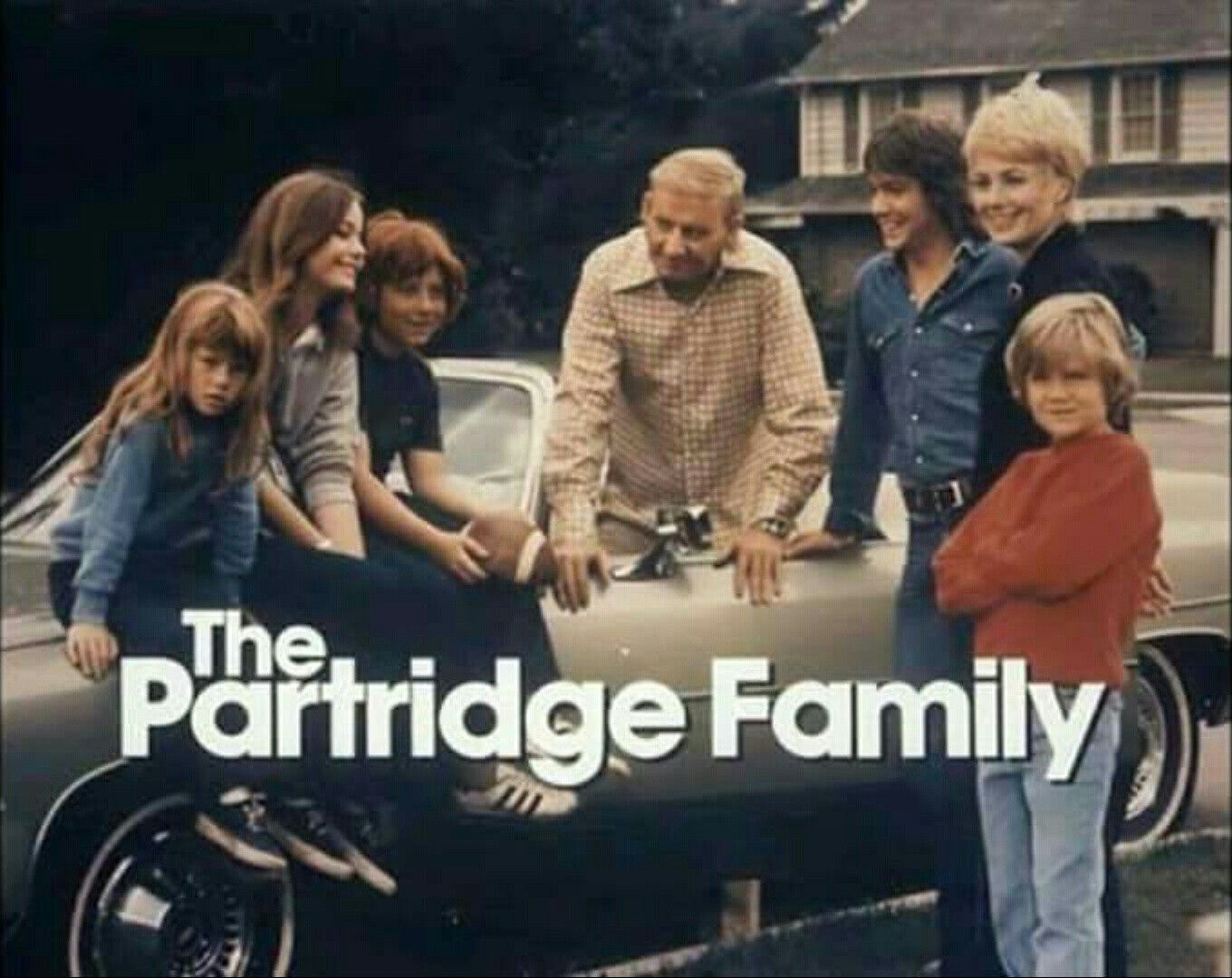
A bright 1971 pop hit carried a strangely vulnerable moment inside it, and David Cassidy knew exactly why it made him uneasy.
The Partridge Family released “Doesn’t Somebody Want to Be Wanted” in 1971, at the height of the television group’s early pop explosion, when the line between sitcom fantasy and real record-business success had become almost impossible to separate. The single appeared on the album Up to Date, was produced by Wes Farrell, and is credited to songwriters Wes Farrell, Jim Cretecos, and Mike Appel. With David Cassidy carrying the lead vocal, it became another major hit for the act, reaching the Top 10 on the American pop charts after the enormous breakthrough of “I Think I Love You.”
But the detail that gives the record its most complicated afterlife is not only its chart success or its polished bubblegum-pop arrangement. It is the spoken-word bridge, the earnest mid-song confession that Cassidy famously resisted recording. That section, delivered almost like a diary entry placed inside a radio single, was exactly the kind of thing that made a young singer feel exposed in the wrong way. Cassidy was trying to be taken seriously not just as a television face, but as a musician with taste, instincts, and ambition beyond the machinery surrounding him. The bridge asked him to sound vulnerable, lonely, and direct, but in a manner he reportedly found too sentimental and too manufactured.
That tension is what makes “Doesn’t Somebody Want to Be Wanted” more interesting than a simple memory of early-’70s pop. On the surface, it has all the elements expected from The Partridge Family brand: bright orchestration, a chorus built for instant recognition, a melody that moves with clean commercial confidence, and a vocal designed to sit warmly on AM radio. It is not a rough-edged rock recording, nor was it meant to be. It belongs to an era when television, teen magazines, and pop singles could turn a performer into an intimate presence in millions of homes almost overnight.
Yet inside that carefully shaped sound is a young man negotiating the cost of being sold as a dream. Cassidy’s voice on the record is smooth and appealing, but the spoken bridge changes the temperature. Suddenly the song pauses its forward motion and asks the listener to accept a moment of plainspoken yearning: the feeling of wanting to be wanted, not in an abstract romantic sense, but in the awkward, exposed way that sounds almost too direct to sing. Whether one hears the bridge as charming, corny, uncomfortable, or strangely touching, it is the part that turns the record from a neatly packaged hit into a small document of pop-star conflict.
That conflict mattered because David Cassidy was not merely lending his voice to a fictional family band. He was becoming one of the most visible young performers in America. The audience saw Keith Partridge, the easygoing television heartthrob; the record company heard a bankable pop voice; fans heard a dream of closeness and sincerity. Cassidy, meanwhile, had to stand in the studio and give life to words and musical choices he did not always believe in. His resistance to the spoken-word passage has endured because it reveals the pressure behind a seemingly innocent hit: the pressure to be tender on command, marketable in vulnerability, and grateful for a spotlight that also narrowed the room around him.
Musically, the song works because it never pretends to be heavy. Its sweetness is part of its design. The arrangement is buoyant, almost weightless, with a chorus that lands quickly and a rhythm that keeps the loneliness from becoming dark. That contrast is central to its appeal. The lyrics speak of longing, but the production keeps smiling. It is the sound of sadness made safe for radio, and perhaps that is why the spoken section stands out so sharply. It removes the protective gloss for a few seconds and places a young celebrity’s voice uncomfortably close to the listener’s ear.
In hindsight, “Doesn’t Somebody Want to Be Wanted” can be heard as both a classic piece of early-1970s television pop and a quiet clue to the complicated position Cassidy occupied. The song helped deepen the public image that made him famous, but it also pointed toward the artistic unease that would follow him as he tried to separate himself from the character and industry system that had launched him. The very bridge he resisted became the feature many people remember most, not because it was the coolest moment on the record, but because it was the most revealing.
That is the strange power of the song now. It does not need to be defended as profound, nor dismissed as disposable. It belongs to a specific pop moment when innocence was carefully arranged, desire was wrapped in bright harmonies, and a young singer could become a national fantasy before he had fully decided what kind of artist he wanted to be. Cassidy’s discomfort does not ruin the record. It gives it a shadow. And once that shadow is heard, “Doesn’t Somebody Want to Be Wanted” becomes more than a catchy hit from a television phenomenon. It becomes the sound of a performer discovering that even sweetness can feel like a trap when someone else writes the words you have to say.
