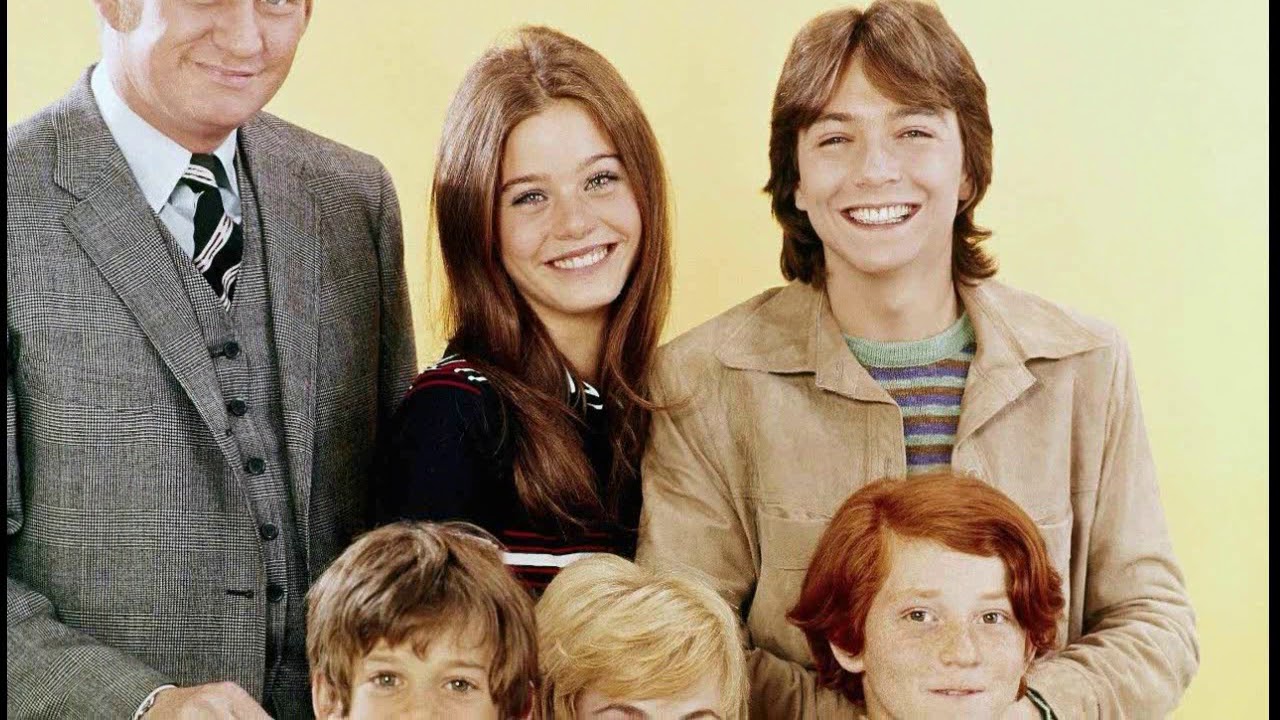
In 1971, a bright pop single carried a quiet struggle inside it: David Cassidy’s famous voice, a spoken confession he did not want to record, and a chorus the public embraced anyway.
The Partridge Family’s “Doesn’t Somebody Want to Be Wanted” arrived in 1971 at the exact moment when television fantasy and pop reality were becoming almost impossible to separate. Released on Bell Records and featured on the album Up to Date, the single followed the enormous success of “I Think I Love You”, the record that had turned a fictional family band from an ABC sitcom into a very real presence on American radio. Written by Wes Farrell, Jim Cretecos, and Mike Appel, the song became a major hit, reaching the Top 10 on the Billboard Hot 100 and confirming that The Partridge Family was more than a television novelty in the marketplace of early-seventies pop.
Yet the detail that keeps the song interesting after the shine of its chart run has faded is not only its success. It is the famous resistance of David Cassidy, who fought against recording the spoken interlude at the center of the record. For listeners, that passage may have sounded like a simple moment of intimate teen-pop vulnerability: a young man stepping away from melody to speak plainly about loneliness, wanting, and the need to be chosen. For Cassidy, it reportedly felt like something else entirely: too sentimental, too packaged, too far from the kind of artist he hoped people might someday hear behind the television image.
That conflict gives “Doesn’t Somebody Want to Be Wanted” a tension that a casual listen might miss. On the surface, the record is all carefully polished early-seventies pop craft. The arrangement moves with the clean confidence of a hit factory: bright rhythm, soft orchestration, a chorus built to lodge itself in memory, and Cassidy’s lead vocal placed front and center with almost impossible neatness. The title itself is a question designed for maximum emotional reach. It is simple enough for a young audience, but broad enough to touch anyone who has ever felt unseen in a crowded room.
The spoken section, however, changes the temperature. Sung lines can hide inside melody; spoken words stand exposed. When Cassidy moves into that interlude, the record asks him to sell a kind of directness that is both intimate and artificial. That is the paradox. The moment was created as commercial pop theater, but it also forces a real young performer to stand inside the role the industry had built around him. He was not simply singing as David Cassidy. He was also carrying the weight of Keith Partridge, teen magazines, television scripts, studio expectations, and a rapidly expanding fan culture that wanted him to be both reachable and idealized.
This is why the backstory matters. It does not make the song less charming; it makes it more human. Cassidy’s objection reminds us that pop records are rarely as effortless as they sound. Behind a three-minute single can be an argument about identity, control, taste, and image. A line that one listener finds tender may feel, to the singer delivering it, like a costume that does not quite fit. In that gap between performance and self, “Doesn’t Somebody Want to Be Wanted” becomes more than a soft-focus teen idol hit. It becomes a small document of a young artist learning how tightly fame can hold a person in place.
The record also belongs to a specific cultural moment. The early 1970s still had room for songs that treated loneliness with disarming innocence. The heavier confessional singer-songwriter era was rising, rock was stretching into more personal and ambitious forms, and yet television pop could still send a simple question across millions of living rooms and car radios: doesn’t somebody want to be wanted like me? The question may have been wrapped in bright production, but it was not foolish. It understood a basic emotional hunger, one that does not disappear just because the arrangement is sweet.
Listening now, the single can feel like two things at once. It is a carefully made product of its time, shaped for radio, television, and the enormous machinery of teen stardom. But it is also a record with a crack running through its glossy surface. Cassidy’s reluctance lingers in hindsight, not as scandal, but as a sign of the pressure between public adoration and private artistic instinct. The audience heard a romantic plea. Cassidy heard a line he did not want to speak. The hit survived because both things were true.
That double meaning is what keeps The Partridge Family’s “Doesn’t Somebody Want to Be Wanted” from being merely a bright souvenir from 1971. It holds the strange innocence of the era, the precision of a pop machine, and the uneasy presence of a singer already pushing against the frame around him. The spoken interlude he resisted may be the very detail that makes the record feel most revealing now: not because it was perfectly sincere, but because it captured the complicated act of trying to sound sincere while the whole world was listening.
