
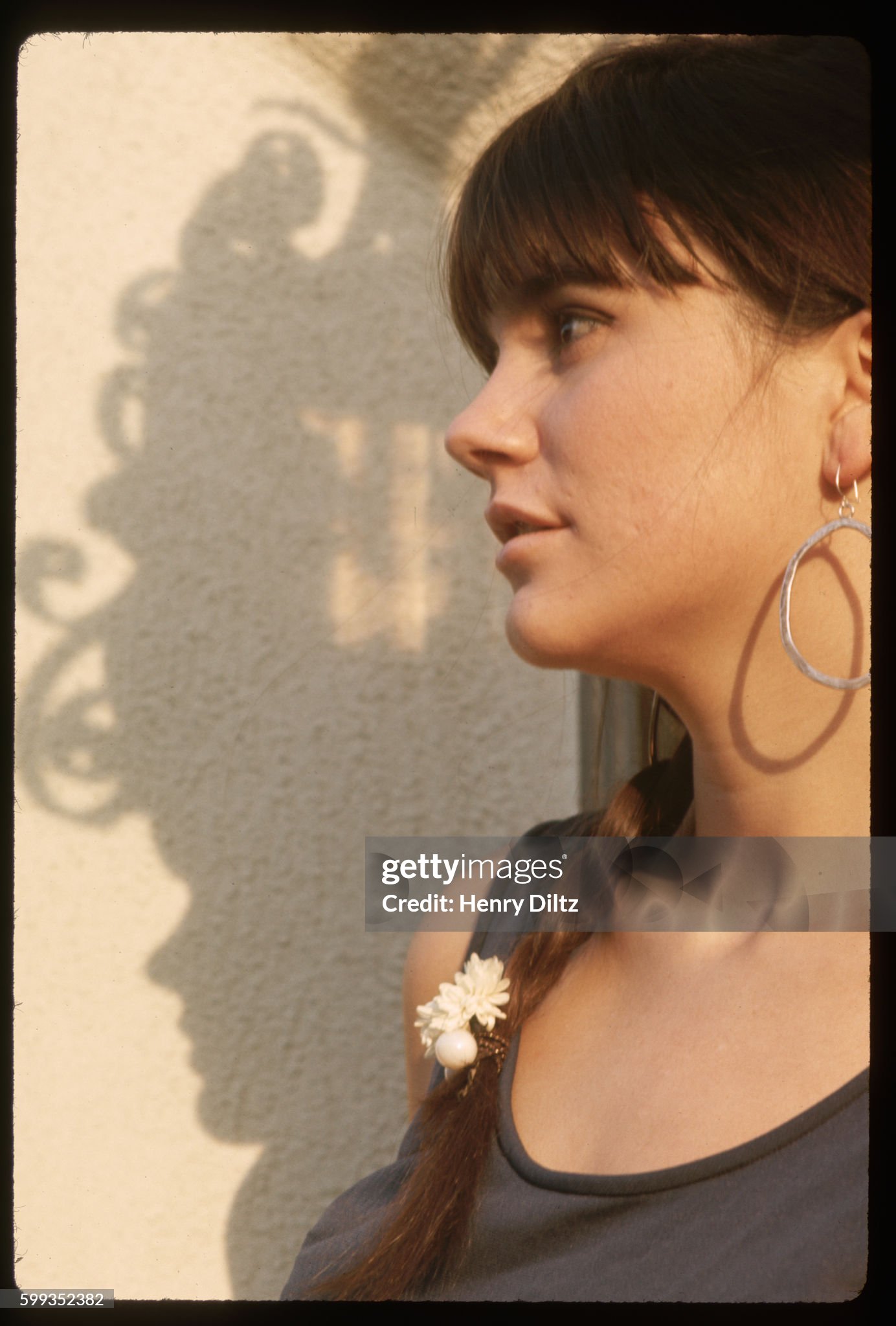
On We Ran, Linda Ronstadt found the frost inside John Hiatt’s Icy Blue Heart and answered it with restraint, turning an already wounded song into one of her most quietly revealing later performances.
In 1998, Linda Ronstadt released We Ran, an album that brought her back toward contemporary songwriter-centered pop and rock after years of moving through standards, Mexican music, lullabies, and other carefully chosen detours. Early in that record sits Icy Blue Heart, a song written by John Hiatt and first recorded on his 1987 album Bring the Family. That context matters, because Ronstadt was not simply reviving a strong song from a respected writer. She was stepping into a composition that already carried its own emotional weather. Hiatt’s original had dry wit, bitterness, and lived-in weariness. Ronstadt heard something else in it as well: the dignity of pain held under control.
That had always been one of her rarest gifts. Ronstadt never needed to write a song to make it feel personal. Across decades, she proved that interpretation could be its own kind of authorship, whether she was singing material by Karla Bonoff, Warren Zevon, or earlier rock and country writers whose work she absorbed with unusual clarity. With Icy Blue Heart, she does not try to out-grit Hiatt or borrow his rougher edge. Instead, she changes the song’s center of gravity. In her hands, it feels less like a speaker throwing out a final accusation and more like a clear-eyed reckoning after the heat has already left the room. The title promises coldness, but Ronstadt understands that the deepest chill is rarely loud.
By the time We Ran arrived, her voice had changed from the brilliant high beam many listeners associated with the 1970s. Some of the youthful shine had deepened into shadow, texture, and a firmer sense of pace. That evolution serves Icy Blue Heart beautifully. She sings it as someone who knows that emotional distance is not always dramatic. Sometimes it arrives as calm. Sometimes it lives in how carefully a line is placed, how little ornament is used, or how a singer allows the silence after a phrase to finish the thought. Ronstadt had always possessed control, but here control becomes part of the meaning. She does not decorate the song’s sadness. She lets it settle.
The arrangement on We Ran helps her do exactly that. Rather than crowding the song with excess feeling, the production leaves space for its cool air to circulate. The tempo is measured, the instrumental frame disciplined, and the mood precise without turning heavy-handed. Nothing about the track begs the listener to admire its seriousness. That restraint is the reason it lasts. It feels like adult music in the best sense of the phrase: not tame, not polite, but observant. The emotions have already happened. What remains is the aftertemperature, the composure that arrives once anger has burned off and left a colder truth behind.
Comparing Ronstadt’s version with Hiatt’s original is part of what makes the recording so rewarding. On Bring the Family, Hiatt delivers Icy Blue Heart with a songwriter’s plainspoken bite. The song carries the sting of someone who has seen through illusion and has no interest in prettying it up. Ronstadt does not soften that writing so much as relocate its force. She keeps the tension intact, but she draws more attention to the loneliness underneath it. In her reading, the song is not only about emotional withdrawal. It is about the realization that some connections do not fail in one violent moment. They fade through a slow and unmistakable cooling. That is a subtle shift, yet it changes the atmosphere of the entire performance.
It also suits the place Ronstadt occupied in the late 1990s. We Ran was not an album built around reinvention for its own sake. It felt more like the work of an artist returning to the contemporary songbook with patience, taste, and nothing left to prove. Because it arrived after so many stylistic turns, and long after the defining commercial peaks of albums like Heart Like a Wheel and Simple Dreams, it has often been treated as a later chapter rather than a central one. But later chapters are often where great interpreters reveal the most. The voice no longer has to dazzle in every second. It can afford to listen more closely to the material, and Ronstadt does exactly that here.
That may be why Icy Blue Heart remains so easy to overlook and so rewarding to revisit. It was never likely to dominate Ronstadt retrospectives the way Blue Bayou or When Will I Be Loved did. It does not come wrapped in instant recognition. Instead, it asks for a quieter kind of attention. Listen closely, and what emerges is a singer using maturity not as a compromise but as an instrument. She lets the lines breathe. She trusts understatement. She allows the song’s coldness to register fully without losing human warmth altogether. That balance is difficult. Ronstadt makes it sound unforced, which is one of the clearest signs of how much intelligence sits inside the performance.
There is something especially moving about that balance now. Great interpreters do more than carry songs from one artist to another. They reveal corners of feeling the original only partly illuminated. On We Ran, Linda Ronstadt’s Icy Blue Heart does exactly that. It takes John Hiatt’s elegant, unsparing writing and turns it into a portrait of composure under strain, where the poise is real and the ache is real too. Nothing is exaggerated. Nothing needs to be. The performance stays with you because it understands a truth many singers miss: a song about emotional frost becomes even more piercing when it is sung by someone warm enough to make the cold feel unmistakable.
