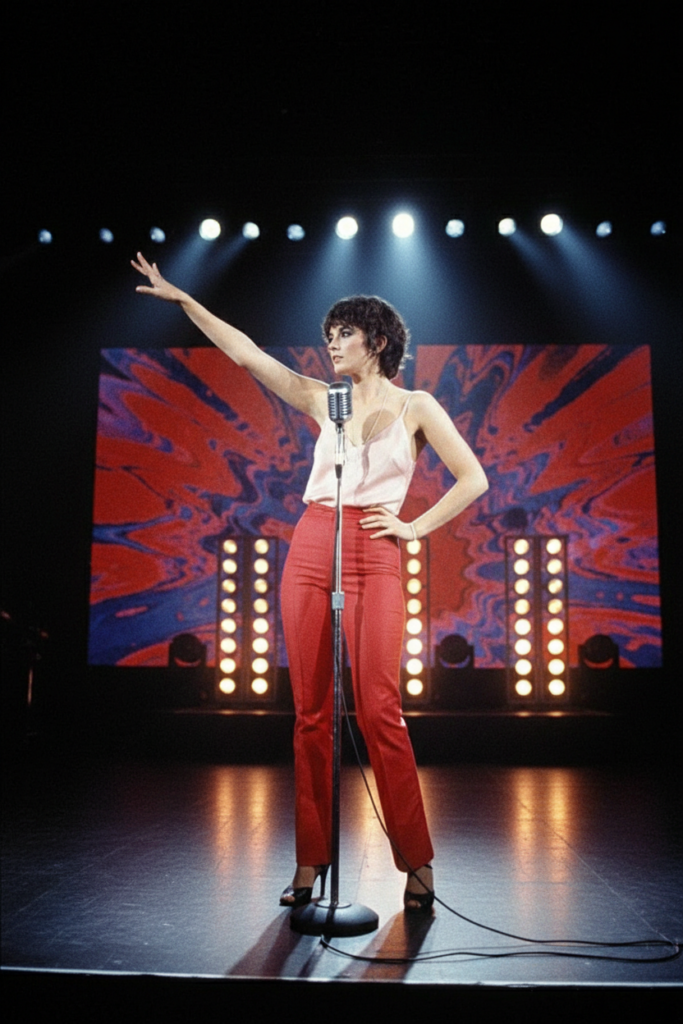
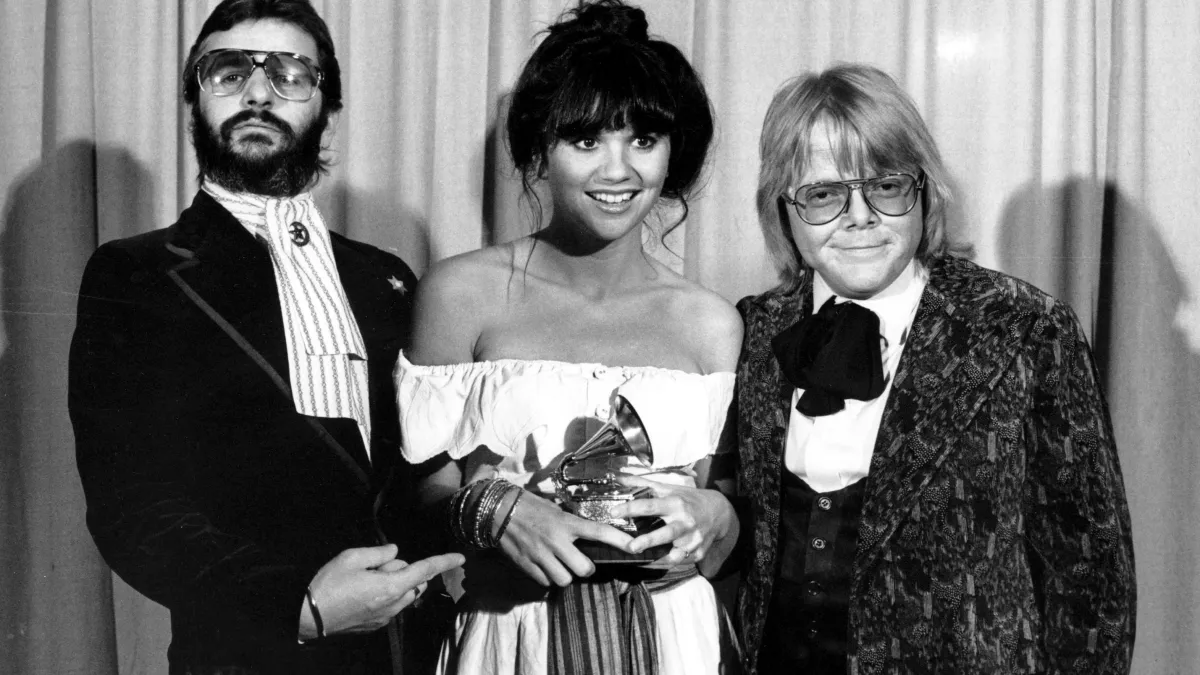
Warm on the surface and quietly wounded underneath, The Tattler shows how Linda Ronstadt could turn an old blues-rooted song into a haunting meditation on gossip, mistrust, and the fragile space between two people.
Released on Hasten Down the Wind in 1976, The Tattler came from a moment when Linda Ronstadt was no longer simply admired; she had become one of the defining voices in American music. The album itself reached No. 1 on the Billboard 200, a major milestone in a career already rich with unforgettable performances. Yet The Tattler was not one of the record’s headline singles, which is perhaps why it still feels like a discovery. It lives in that special place where longtime listeners often find the deepest rewards: not always in the most famous track, but in the song that reveals an artist’s instincts, intelligence, and emotional precision.
The roots of The Tattler go back much further than the 1970s. The song belongs to an older blues lineage and is closely associated with Washboard Sam, later revived for modern listeners by Ry Cooder before Ronstadt made it part of her own world. That history matters, because Ronstadt never approached songs like museum pieces. She had a rare gift for taking material with a long past and making it feel immediate, intimate, and newly personal. In her hands, The Tattler is not just a revival. It becomes a living song again.
And what a subject it carries. The title may sound almost playful at first, but the feeling beneath it is anything but light. A tattler is a talker, a spreader of rumor, someone who turns private feeling into public trouble. In that sense, the song is about far more than idle chatter. It is about what happens when trust is weakened by outside voices, when a relationship begins to bend under suspicion, half-truths, and the corrosive force of repeated whispers. That is why the song still lands with such force. Times change, styles change, radio changes, but the pain of being misread or talked about has never really left the human story.
What makes Linda Ronstadt so extraordinary here is the balance she finds. She does not overdramatize the lyric. She does not push it into open anguish. Instead, she lets the uneasiness gather slowly. Under the elegant guidance of producer Peter Asher, the track moves with a relaxed, almost deceptively easy flow. The arrangement has a rootsy looseness to it, with blues in its frame and country-rock ease in its stride, but Ronstadt’s voice keeps drawing the listener toward the deeper emotional current. She sings with clarity, restraint, and that unmistakable ache she could summon without ever seeming to force a note.
That may be the real magic of this recording: the contrast. The groove feels casual enough to invite you in, but the message stays unsettled. It is the sound of a smile that cannot quite hide disappointment. Ronstadt understood that some songs become more powerful when they are not delivered as outright heartbreak. Sometimes the softer reading cuts deeper. With The Tattler, she gives us a performance full of composure, yet the wound is there all the same. You hear a woman trying to stay steady while the world around her talks too much.
There is also something revealing in the way this song sits inside Hasten Down the Wind as a whole. That album showed just how broad Ronstadt’s range had become. She could move from rock and country to pop standards and emotionally intricate ballads with astonishing ease. But The Tattler reminds us that one of her greatest strengths was interpretation. She was not merely singing songs well; she was uncovering what they could mean in a different voice, in a different decade, under a different light. She could take material with dust on it and make it breathe again.
Because the track was not released as a major standalone hit, it never built its legacy through chart numbers of its own. There is no big Hot 100 peak to point to in the way one might with her better-known singles. Its stature comes another way: through memory, through repeated listening, through that quiet recognition that this was one of the moments when Ronstadt’s artistry spoke in a lower voice and said something lasting. In many ways, those are the songs that endure most honestly. They do not arrive with fanfare. They remain because they tell the truth.
Listening now, The Tattler feels like one of those recordings that grows wiser with age. What once may have sounded like a fine album cut begins to reveal itself as something sharper and sadder: a song about the damage words can do, and the loneliness of feeling your life discussed from the outside. Ronstadt does not turn that pain into bitterness. She turns it into elegance. She gives the song warmth without removing its warning, and that emotional balance is precisely why the performance lingers.
In the end, Linda Ronstadt did what only a handful of great interpreters ever truly do. She heard the old bones of The Tattler, respected where it came from, and then opened it into something fuller, gentler, and more haunting. The result is a song that sounds easy until you really listen. Then it becomes something else entirely: a quiet classic about trust, reputation, and the sorrow that arrives when too many voices crowd into a love that was meant to belong to two people alone.
