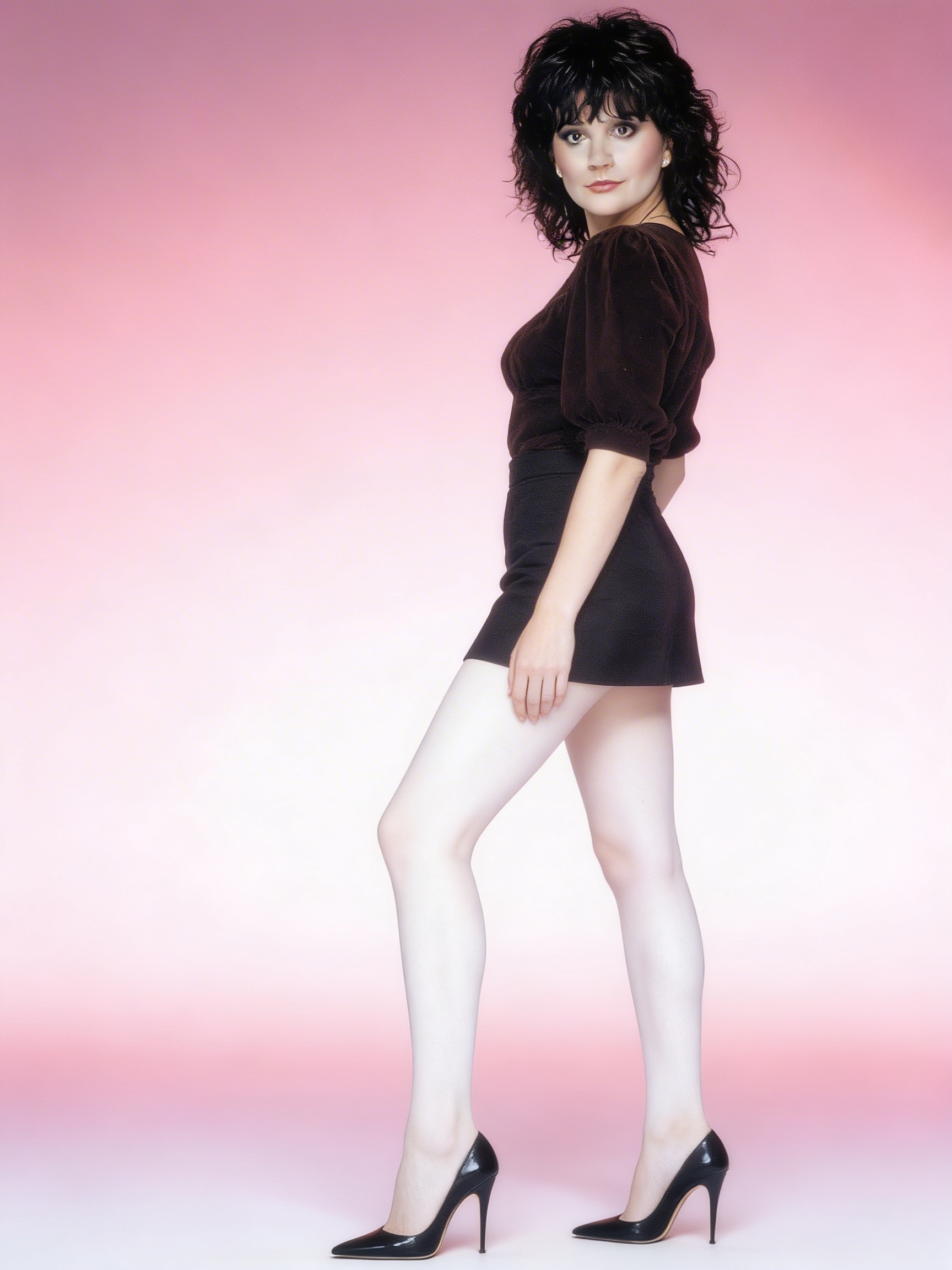
On her 1969 solo debut, Linda Ronstadt turned a hard-charging country number into an early declaration of nerve, range, and restless confidence.
Linda Ronstadt recorded The Only Mama That’ll Walk the Line for her 1969 solo debut, Hand Sown… Home Grown, an album released on Capitol Records at the moment when her identity was still being shaped in public. She had already been heard by many through The Stone Poneys and the success of Different Drum, but this record belonged to a different threshold. It caught her before the huge 1970s run, before the image hardened into something familiar, before audiences knew just how far she would travel across country, rock, pop standards, Mexican song, and opera. Here, she was a young singer stepping into country-rock with speed in her voice and no interest in sounding fragile.
The song itself came from a country lineage. The Only Mama That’ll Walk the Line is Ronstadt’s gender-flipped take on Only Daddy That’ll Walk the Line, the Jimmy Bryant song made famous by Waylon Jennings in 1968. Jennings’s version carried the lean, masculine charge of late-1960s country, with its restless tempo and clipped defiance. Ronstadt did not treat the material as a novelty simply because the point of view changed. She seized it. By turning daddy into mama, she was not softening the lyric; she was shifting the center of gravity. The result feels like a young woman claiming the same open road, the same sharp humor, the same right to be stubborn, difficult, fast-moving, and untamed.
That is what gives this early performance its spark. Ronstadt’s delivery is energetic without sounding careless. She leans into the rhythm as if the song has already started moving before the band catches it. There is country snap in the arrangement, but also the looseness of Los Angeles musicians discovering how naturally rural twang and rock momentum could sit beside each other. Hand Sown… Home Grown is often remembered as an early country-rock statement by a female solo artist, and this track helps explain why. It does not feel like a singer visiting country music from the outside. It feels like someone who understands that country can carry mischief, pride, impatience, and motion all at once.
Ronstadt’s voice had not yet taken on the grand, polished authority that later made her one of the most admired interpreters in American popular music. That is part of the appeal. On this 1969 recording, the edges are alive. She sounds young, but not tentative. There is brightness in the upper register, force in the phrasing, and a kind of quick-witted attack in the way she handles the lines. She does not over-explain the attitude of the song. She lets the tempo do some of the talking. She lets the words land with a grin, then pushes forward before they can settle too neatly.
Placed within Hand Sown… Home Grown, the performance also reveals how Ronstadt was already resisting easy categorization. The album arrived after the folk-rock glow of the mid-1960s but before country-rock became a fully settled commercial language. In that in-between space, Ronstadt sounded unusually free. She could borrow from Nashville, from the borderland music she had heard growing up in Tucson, from pop radio, from rock bands, and from older American song forms without making those influences feel like a costume. The Only Mama That’ll Walk the Line is brief, lively, and direct, but it points toward the larger gift she would spend decades developing: the ability to inhabit a song so fully that genre becomes less like a fence and more like a landscape.
There is also a quiet cultural jolt in hearing her sing this particular material at that particular moment. Country music had long made room for strong female voices, but the roles available to women in song were often carefully framed: faithful, wounded, waiting, betrayed, or warning someone not to cross them. Ronstadt’s mama is different. She is moving. She is not asking to be chosen or rescued. She is not standing still while the story happens around her. In Ronstadt’s hands, the lyric becomes a flash of independence, delivered not as a speech but as a burst of rhythm and confidence.
Listening back now, the recording matters because it shows the beginning of a road rather than the monument at the end of it. Later, Ronstadt would bring astonishing control to songs by writers as different as Hank Williams, Smokey Robinson, the Eagles, Warren Zevon, and the old Mexican masters. But on The Only Mama That’ll Walk the Line, the thrill is in the ignition. The voice is already unmistakable, but the future is still open. You can hear ambition, curiosity, and instinct arriving together in a song that refuses to sit politely in one corner.
That is why this cut from Hand Sown… Home Grown still feels alive. It is not merely an early album track or a clever answer to a country hit. It is a young Linda Ronstadt testing the road under her feet and finding that it holds. The performance runs fast, but it leaves behind something lasting: the sound of an artist discovering that her power did not have to wait for permission, polish, or a perfect moment. It was already there, kicking up dust.
