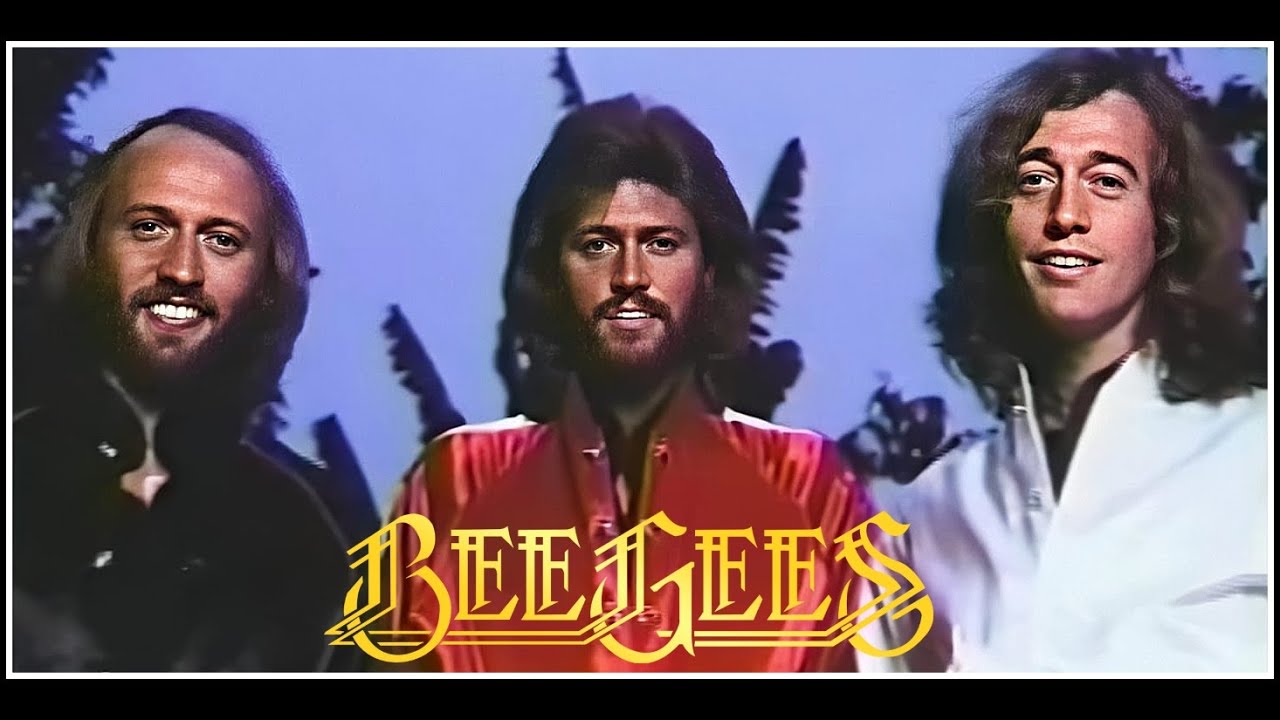
Mr. Natural was not the comeback hit the Bee Gees needed in 1974, but it quietly opened the door to the leaner, more rhythmic future that soon changed everything.
There are songs that conquer the charts, and then there are songs that change an artist’s direction so completely that their real importance is only understood years later. “Mr. Natural”, the 1974 title track and opening song from the Bee Gees album Mr. Natural, belongs firmly in that second category. At the time, it was not a major commercial rescue. The album itself reached No. 178 on the Billboard 200 in the United States, a modest showing for a group that had already known international glory. But history has been kinder to this record than the charts were. If anyone wants to hear how the brothers moved from their early orchestral melancholy toward the sleeker groove of Main Course, this is one of the clearest places to begin.
What makes “Mr. Natural” so important is not simply that it came before the hits. It is that it sounds like a threshold. By 1974, the Bee Gees were in a difficult and uncertain chapter. Their late-1960s brilliance was long established, but the commercial momentum had cooled, and the group was searching for a new frame that could hold their songwriting in a changing musical climate. That search led them to Arif Mardin, the sophisticated Atlantic producer and arranger whose musical instincts helped strip away some of the old decorative weight and make room for a tighter, more contemporary pulse. Mr. Natural was their first full album with him, and that fact matters enormously.
From its very first moments, “Mr. Natural” feels different from the grand, aching, heavily ornate Bee Gees records many listeners first fell in love with. The song still carries the brothers’ unmistakable melodic intelligence, but the presentation is leaner, drier, and more rhythmic. The arrangement is less interested in sweeping sentiment and more interested in movement. The groove matters. The spaces between the phrases matter. Even the attitude feels altered. Instead of wrapping itself in lush sadness, the song walks in with a kind of relaxed confidence, as though the band had decided that emotional depth did not always need velvet curtains around it.
That is why the track works so well as the opener. It does not merely begin the album; it announces a new set of priorities. You can hear the old Bee Gees still present in the craftsmanship, the vocal blend, and the melodic shape, but you can also hear them testing a cleaner silhouette. This is the bridge between worlds: the reflective songwriters of Odessa and Trafalgar on one side, and the groove-conscious, rhythm-driven masters of Main Course on the other.
Arif Mardin deserves a great deal of credit for making that shift easier to hear. He did not erase what made the brothers special. Instead, he redirected the emphasis. With him, the arrangements became more economical, the rhythmic backbone more pronounced, and the overall feel more supple. The transformation would reach a more famous peak on Main Course in 1975, when songs like “Jive Talkin’” and “Nights on Broadway” turned the group’s reinvention into a commercial fact. But the road to that moment did not start out of nowhere. “Mr. Natural” is one of the records that makes the journey traceable. It lets us hear the evolution while it is still in motion.
Lyrically, the song also hints at a shift in character. Earlier Bee Gees classics often lived in heightened emotion, dramatic heartbreak, and near-novelistic sadness. “Mr. Natural” feels more street-level, more conversational, and more rhythmically embodied. There is a looseness in the performance that matters just as much as the words themselves. It is the sound of a group learning how to carry sophistication without sounding fragile, how to be stylish without losing soul.
That may be why the song has become so fascinating in retrospect. Fans who return to it after knowing the triumph of Main Course, Children of the World, or even the later disco-era dominance can hear something quietly prophetic in it. Not prophecy in a dramatic sense, but in the musical details: the firmer beat, the more open arrangement, the suggestion that the brothers were beginning to trust groove as much as melody. They had not yet fully arrived at the sound that would put them back at the center of popular music, but the outline was there.
And perhaps that is the most moving part of “Mr. Natural”. It captures a great group not at the summit, but in the act of rethinking itself. There is dignity in that. Reinvention is often romanticized after the fact, yet in real time it can look uncertain, commercially underwhelming, even confusing to listeners who expect the old magic in its familiar form. The Bee Gees were not abandoning their identity here. They were refining it, editing it, making it responsive to the decade they were living in.
So while “Mr. Natural” may not sit first in the public memory beside the brothers’ biggest singles, it remains one of the most revealing songs in their catalog. It is the sound of the door opening. Before the Miami sessions, before the falsetto became a cultural force, before the comeback became undeniable, there was this title track at the front of a 1974 album, gently but firmly telling us that the next version of the Bee Gees had already begun.
