
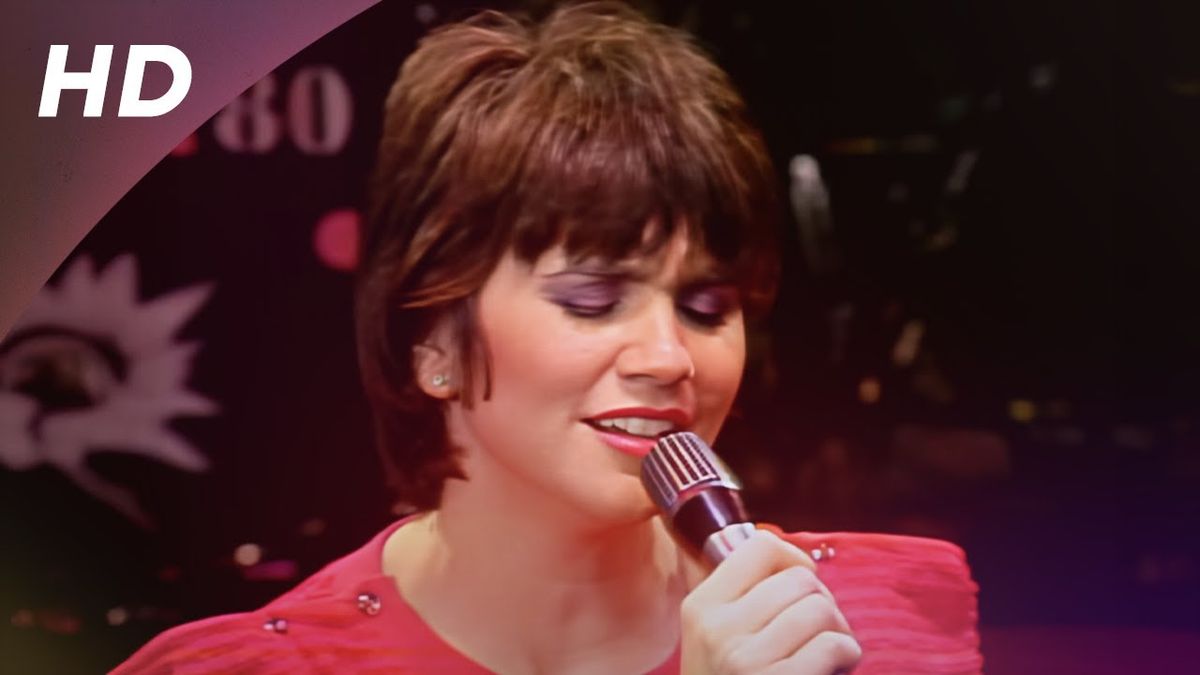
High Sierra is not just a leaving song. In the voices of Linda Ronstadt, Dolly Parton, and Emmylou Harris, it becomes a windswept confession about freedom, distance, and the kind of heartbreak that keeps moving.
When people speak about Linda Ronstadt, they often begin with the great hits, the powerhouse vocals, the astonishing range of styles she mastered across the decades. But High Sierra belongs to a different kind of conversation. It is one of those songs that reveals its depth slowly, almost shyly, and once it settles in, it never quite leaves. Released on Trio II in 1999, this recording brought Ronstadt together again with Dolly Parton and Emmylou Harris, reviving one of the most admired vocal partnerships in modern American music. The album itself reached No. 4 on Billboard’s Top Country Albums chart and No. 62 on the Billboard 200, proof that the long-awaited reunion still carried real weight, even in a changing musical landscape.
What makes High Sierra so memorable is that it does not chase drama in an obvious way. It is built on motion, on the old American image of heading west, climbing higher, leaving behind what can no longer be repaired. The song tells the story of a woman who is not merely heartbroken but decided. That distinction matters. This is not a ballad of pleading. It is a ballad of departure. The mountains in the title are not just scenery; they are emotional territory. They stand for distance, solitude, and the hard beauty of choosing yourself, even when the choice hurts.
The backstory of the recording gives the song even more resonance. Trio II was not a simple sequel made quickly to capitalize on success. Much of it came from sessions that had lingered in the shadows for years, delayed by record-company complications and timing. So when listeners finally heard High Sierra in 1999, they were hearing something that had already lived a life behind the scenes. That delayed arrival gave the track a special feeling, as though it had traveled a long road before reaching the listener. In a strange way, that suits the song perfectly. A song about leaving, waiting, and moving on arrived after its own long wait.
Musically, the performance is a lesson in restraint and trust. There is nothing overstated here. The arrangement leans into an acoustic, mountain-rooted sound that lets the harmonies do the deepest work. And those harmonies are the whole story. Linda Ronstadt brings strength and clarity, Dolly Parton adds brightness and ache, and Emmylou Harris brings that unmistakable haunted elegance that always seems to hover just above the melody. Together, they do something very few singers can do: they make sorrow sound spacious. You do not feel trapped inside the sadness. You feel the air around it, the sky above it, the road continuing beyond it.
That is one reason High Sierra has endured so gracefully. It speaks to a mature kind of emotional truth. So many songs about broken love are written as battles, accusations, or desperate appeals. This one feels quieter and, because of that, wiser. It understands that sometimes the deepest turning point in life is not the argument, not the collapse, not even the tears. Sometimes it is the moment after, when a person simply gathers what remains and keeps going. In that sense, High Sierra is not just sad. It is brave.
For Linda Ronstadt, the song also fits beautifully into the larger shape of her career. She was never an artist who stayed in one room for long. Rock, country, folk, standards, Mexican traditional music, opera-like discipline in phrasing, pop instinct, interpretive intelligence: she moved across all of it with unusual conviction. Yet when she sang in harmony, especially with voices as distinctive as Parton’s and Harris’s, another side of her artistry came forward. She did not need to dominate. She knew how to blend, how to support, how to make a shared sound feel emotionally complete. High Sierra is one of the finest examples of that gift.
There is also something unmistakably American in the emotional architecture of the song. The landscape matters. The journey matters. The idea that escape can be both painful and necessary matters. You can hear old country storytelling in it, but also folk memory, western imagery, and the lonely dignity of classic road songs. Yet the performance never feels dusty or museum-like. It feels alive. That is the miracle of Trio II. It did not simply reunite three legends for nostalgia’s sake. It reminded listeners that these voices, when woven together, could still uncover truths that younger, louder records often missed.
So no, High Sierra was never the kind of song designed to explode across radio in the way a glossy mainstream hit might. Its power has always been quieter than that. It lives in the aftertaste. It lives in the image of distance. It lives in the way Linda Ronstadt and her partners turn a simple story of leaving into something almost mythic. The song does not shout its greatness. It rides into your memory on harmony, dust, and resolve.
And perhaps that is why it still feels so moving today. Some songs ask to be admired. High Sierra asks to be lived with. The more years a listener carries, the more the song seems to understand. It knows that goodbye is not always a collapse. Sometimes it is a horizon.
