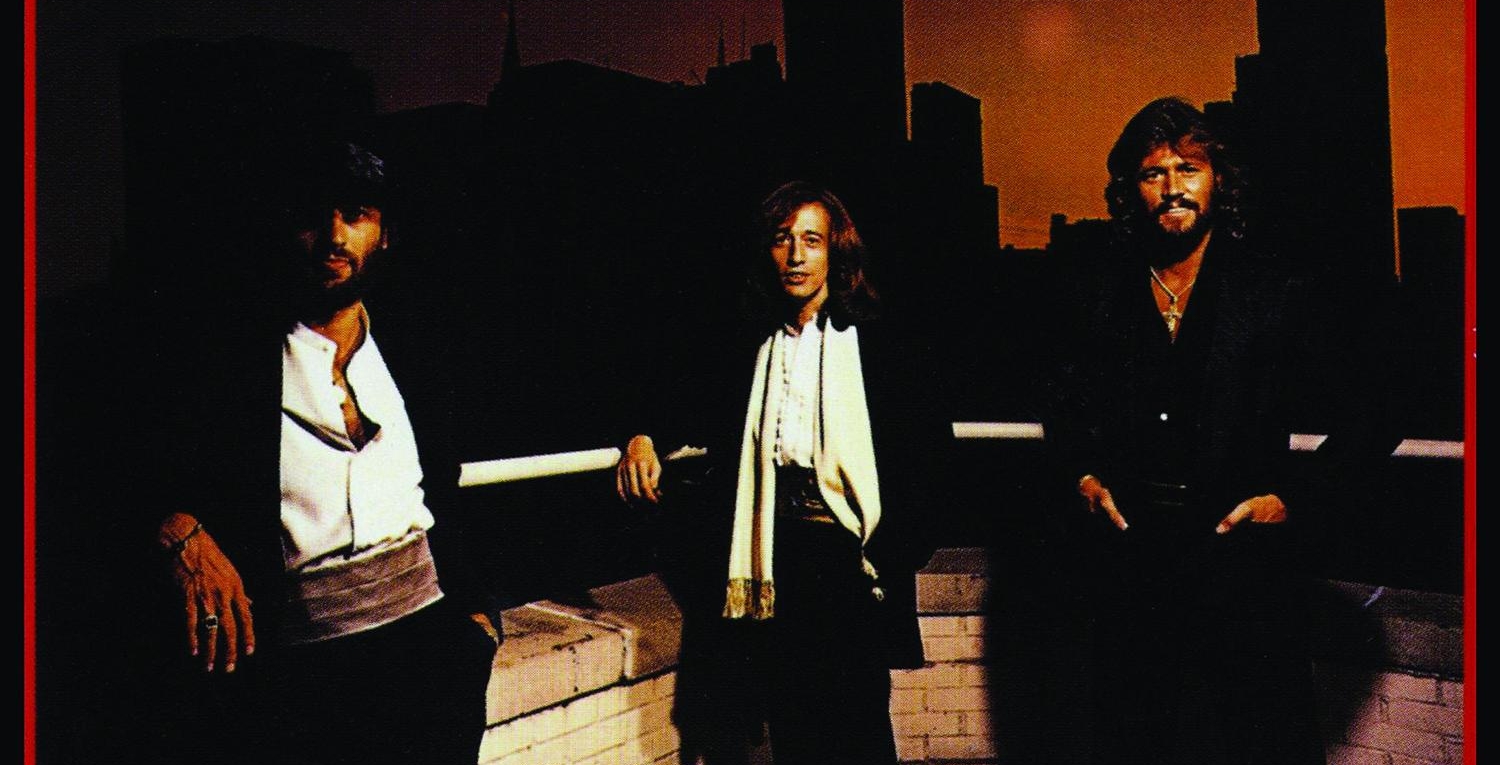
I’ve Gotta Get a Message to You is one of those rare Bee Gees records where the lyric, the arrangement, and even the mix itself change the emotional weight of the story.
Before anything else, the 1968 version history matters. The hit that listeners first met on 45 was the original mono single of I’ve Gotta Get a Message to You, released in August 1968 during the Idea period. That single went to No. 1 on the UK Singles Chart and reached No. 8 on the Billboard Hot 100 in the United States, confirming that the Bee Gees were one of the defining pop acts of the late 1960s. Yet for many later listeners, especially those who came to the song through LP copies or reissues of Idea, the version most familiar was the album mix. The song is the same, but the emotional distance is not.
Written by Barry Gibb and recorded in the richly dramatic style the group was refining in 1968, the song tells an unusually dark story for a major pop single. Its narrator is a prisoner facing his final hours, and his last urgent wish is heartbreakingly simple: he wants someone to carry a message to the woman he loves. That premise gave the record a weight that was instantly different from ordinary romantic pop, but what made it endure was the way the Bee Gees delivered it. They did not sing it as melodrama for its own sake. There is ache in the melody, urgency in the rhythm, and genuine tenderness in the vocal blend. Underneath the grandeur, it feels deeply human.
The backstory belongs to a remarkable stretch in the group’s career. The Idea era found the Bee Gees at a creative peak, making ornate, literate, emotionally charged pop records that could still break through on radio. Long before another chapter of their career would change how the public remembered them, they were building songs full of chamber-pop detail, sweeping harmony, and narrative tension. I’ve Gotta Get a Message to You stands as one of the clearest examples of that gift. It has the reach of a hit single, but it also carries the depth of a miniature drama.
Its meaning has always gone beyond the obvious storyline. On the surface, this is a song about a man behind bars, desperate to get one final message to his wife before it is too late. But the emotional core is broader than that. It is about regret arriving too late, about love that suddenly becomes most visible at the very edge of loss, and about the unbearable human need to say one true thing before silence takes over. That is why the song still lands so powerfully. Even listeners who never dwell on the lyric’s literal plot can feel the panic and sorrow in the performance.
Where the version history becomes truly fascinating is in the contrast between the 1968 mono single and the album mix associated with Idea. The mono 45 has the concentrated force of a record designed to hit immediately. The arrangement feels packed more tightly together, the rhythm section pushes with greater urgency, and the vocal drama arrives in one direct emotional line. It feels urgent, pressurized, and intimate. For a song built around a clock running down, that compactness matters. The mono presentation does not merely reproduce the song; it sharpens its tension.
The album mix, by contrast, opens the record outward. Heard in stereo on many Idea pressings and later reissues, the performance breathes more. You notice more of the arrangement’s architecture, the spacing of instruments, the rise of the chorus, and the careful balance between orchestral color and pop structure. It is beautiful, more spacious, and in some ways more elegant. But elegance changes feeling. Where the mono single can sound like a plea trapped inside the walls of a room, the album mix can sound more reflective, almost as if the drama is being remembered from a step farther away. Neither version cancels the other. They illuminate different truths in the same performance.
That distinction matters because in 1968 mono and stereo were often not simply technical alternatives. A hit single was still being shaped for the experience of radio and the home record player, where impact was everything. An album mix could serve a different purpose, allowing more room, width, and detail. I’ve Gotta Get a Message to You is one of those records where the difference is not collector trivia. If you want the song as a chart smash, the mono single often feels definitive. If you want to hear the full baroque-pop craftsmanship of the Bee Gees in the Idea era, the album mix offers its own reward.
And that is why this song remains so beloved. It captures the Bee Gees before later reinventions, when their gift for narrative songwriting and aching harmony was at full stretch. The record reached the top of the charts because it was memorable, but it survived because it was emotionally exact. In the mono single, urgency rules. In the album mix, atmosphere deepens. Between those two versions lies the full strength of the 1968 Bee Gees: a group capable of making a hit, a heartbreak, and a lasting piece of version-history fascination all at once.
