Baby As You Turn Away captures a heartbreak that does not explode in anger, but fades in the quiet ache of watching love leave the room. On an album built on reinvention, the Bee Gees saved one of their most human moments for last.
There is something especially moving about a great album track that never had to fight for radio glory. Baby As You Turn Away was never one of the headline singles from The Bee Gees, and it never carved out its own run on the Billboard Hot 100. Yet that very fact is part of its beauty. Released in 1975 as the closing track on Main Course, the song lives in the long shadow of giants like “Jive Talkin’”, which reached No. 1 in the United States, and “Nights on Broadway”, which climbed to No. 7. But while those songs announced a thrilling rebirth, Baby As You Turn Away quietly revealed what the brothers never lost: their gift for tender, lingering melancholy.
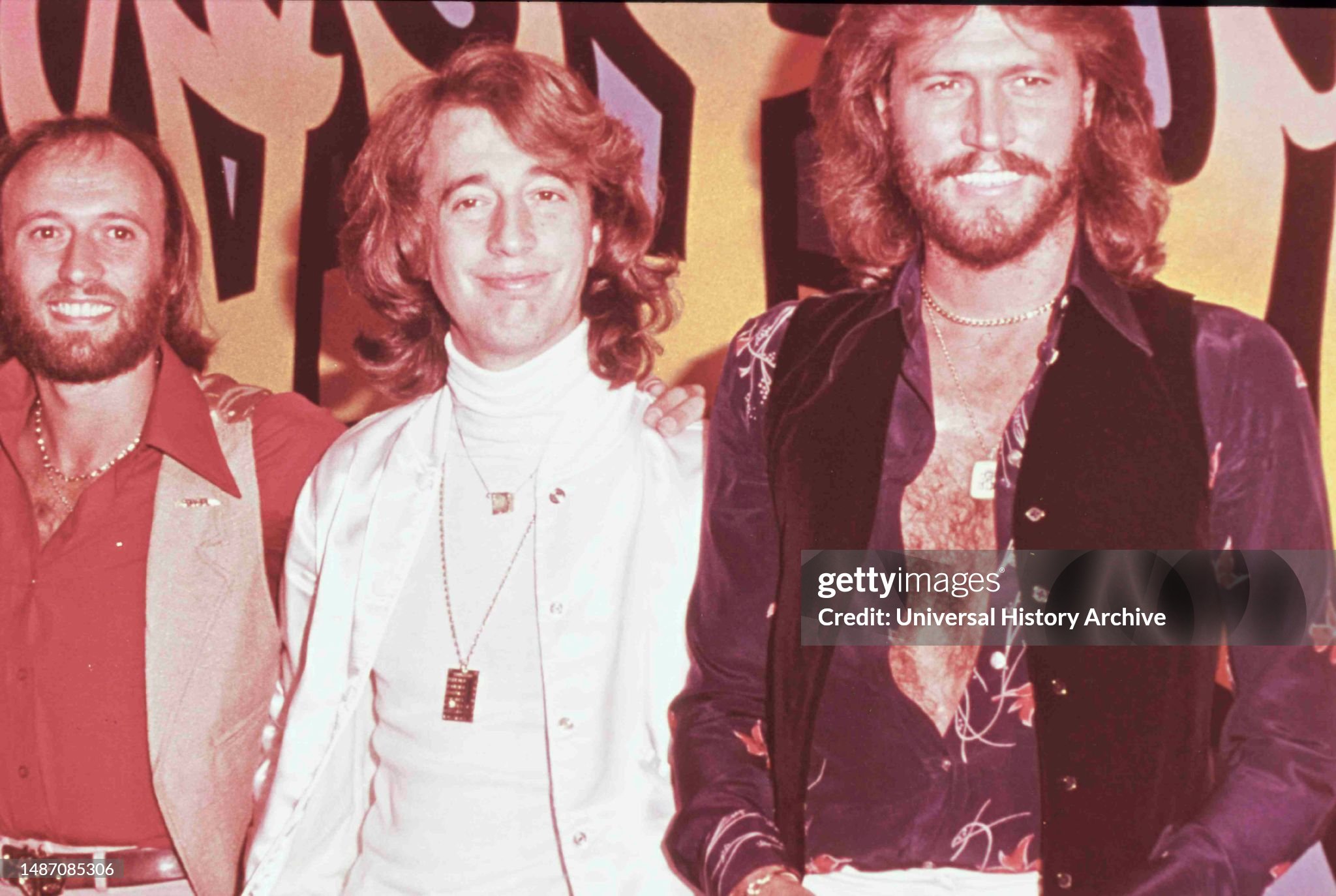
To understand why this song matters, it helps to remember where The Bee Gees stood in 1975. By then, Barry, Robin, and Maurice Gibb were no longer the young sensation of the late 1960s, nor had they yet become the unstoppable symbol of the disco era they would soon dominate. Main Course was the hinge between those worlds. Recorded during sessions in Miami and New York and produced by the group with Arif Mardin, the album brought a new rhythmic confidence, a stronger R&B pulse, and the beginning of Barry Gibb’s now-legendary falsetto era. It was a comeback, yes, but it was also a transformation.
And then comes Baby As You Turn Away, almost like an afterthought to anyone scanning the track list for the big titles. But once you hear it, it does not feel minor at all. It feels like a private conversation left at the end of a public triumph. That is often where the most lasting songs live.
Written by Barry Gibb, Robin Gibb, and Maurice Gibb, the song carries the classic Bee Gees emotional signature: love is not simply lost, it is watched, felt, measured in small movements and silences. Even the title is devastating in its restraint. Baby As You Turn Away is not about a slammed door or a dramatic farewell. It is about the moment just before the emptiness settles in, when someone is still physically there, but already gone in every way that matters.
That is what gives the song its ache. It understands that heartbreak is often quiet. Not every ending arrives with rage. Sometimes it arrives in a turned shoulder, a glance avoided, a final moment too fragile to stop. The Bee Gees were always capable of writing grand emotional songs, but here they choose something more delicate. The pain is not theatrical. It is intimate. That makes it hit harder.
Musically, the song also says something important about Main Course. For all the attention given to the album’s sleek grooves and commercial rebirth, the record still needed a closing statement that reached backward as well as forward. Baby As You Turn Away does exactly that. It sits between the melodic sensitivity of the earlier Bee Gees and the smoother soul-pop sophistication they were embracing in the mid-1970s. In other words, it is not a leftover mood piece. It is a bridge. It shows that the band’s evolution was not just about dance rhythms or chart strategy. It was about learning how to carry their old emotional depth into a new sound.
That may be why the song has aged so gracefully. Listeners who return to Main Course decades later often come for the famous tracks, but they stay for moments like this. The closing songs on great records often tell the deeper truth, and this one certainly does. After the swagger, after the reinvention, after the hit-making confidence, The Bee Gees end the album not with celebration, but with vulnerability. It is a beautiful choice.
There is also something unmistakably mature in the writing. Baby As You Turn Away does not beg, accuse, or dramatize. It simply observes the emotional distance opening between two people. That calm acceptance gives the song a reflective weight. Many love songs describe heartbreak from the center of the storm. This one feels like standing in the stillness just after the wind changes direction.
In the grand story of The Bee Gees, this song may never rank beside the era-defining hits that changed their career. But that is not the only measure of greatness. Some songs become classics through chart positions. Others become cherished because they seem to speak more softly, more personally, and with fewer defenses. Baby As You Turn Away belongs to that second category. It is one of those album tracks that reminds us the brothers were never only hitmakers. They were emotional craftsmen, and even in a period of reinvention, they knew how to leave a listener with a bruise instead of a bang.
That is why the song still matters. Not because it was huge, but because it was true. And sometimes, at the end of an album and at the end of a love affair, truth is the part that stays with you longest.
