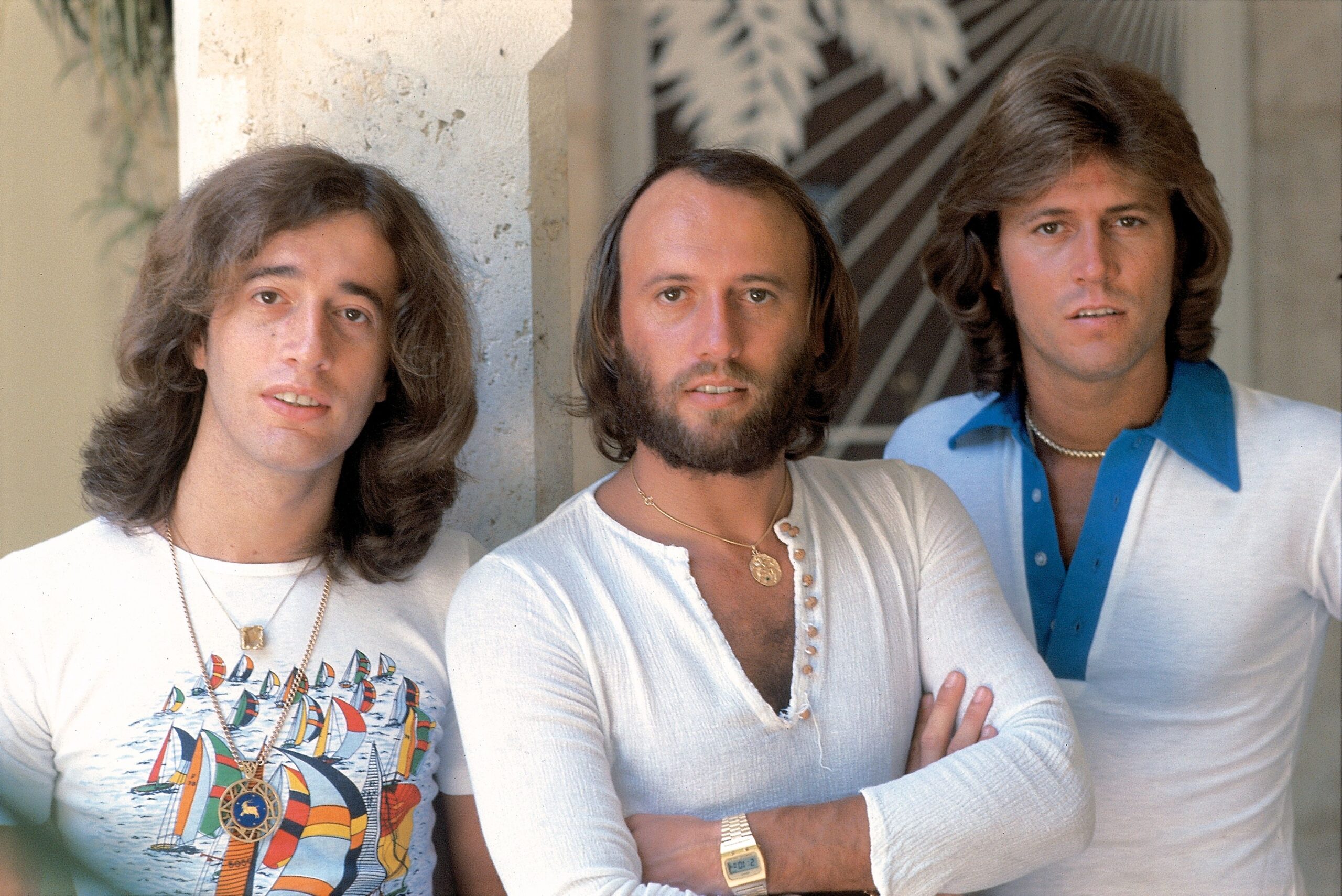
Please Read Me is one of those forgotten Bee Gees recordings that feels less like a pop song and more like a private letter turned into melody, full of youth, longing, and the need to be understood.
Long before the bright pulse of Saturday Night Fever, before the polished grandeur of the late-1970s hits, the Bee Gees were writing songs that carried an almost startling emotional sincerity. Please Read Me belongs to that lesser-known side of their story. It is generally associated with the brothers’ early years, when Barry Gibb, Robin Gibb, and Maurice Gibb were still shaping the sound that would eventually make them world-famous. Unlike the major singles that later climbed the charts across Britain, America, and beyond, Please Read Me was not a major international chart release, so it did not earn a notable Billboard Hot 100 or UK Singles Chart placing at the time. And yet that very obscurity is part of what makes it so moving.
There is something deeply revealing in the title alone. Please Read Me sounds like a note left behind, the kind of sentence written when spoken words have failed. That emotional setup fits the early Bee Gees beautifully. Even in their formative years, the brothers were unusually gifted at writing songs about distance, misunderstanding, tenderness, and the ache of wanting to be heard. They were very young, but they already understood how loneliness could live inside a melody.
In historical terms, the song is best appreciated as part of the Bee Gees‘ Australian-era creative world, a period before their international breakthrough in the late 1960s. Those early recordings did not always have the commercial profile of later classics such as Massachusetts, I Started a Joke, or How Can You Mend a Broken Heart, but they reveal the emotional DNA of the group with remarkable clarity. Listening to Please Read Me, one can hear the roots of the qualities that would define them for decades: close harmonies, melodic sensitivity, and a sadness that never felt theatrical. The feeling is intimate rather than grand, as though the brothers were still writing from the small room before the world opened its doors.
That is the real beauty of this song. It does not depend on a huge chorus or a famous production signature to leave an impression. Instead, it lingers through mood. It carries the fragile directness that often marked the Bee Gees at their most human. Many listeners know the group through eras: the baroque-pop years, the ballad years, the disco years, the elder-statesmen years. But songs like Please Read Me remind us that beneath every era was the same essential gift: the ability to turn emotional uncertainty into something melodic, graceful, and memorable.
The story behind the song, then, is not one of chart triumph or public spectacle. It is the story of artistic formation. It reflects a time when the Gibb brothers were still building their identity, writing not from the vantage point of legends but from the vulnerability of young songwriters trying to capture inner feelings before they slipped away. That is why Please Read Me resonates as more than a rarity. It feels like evidence. It shows that the sensitivity heard later in the biggest Bee Gees records did not suddenly appear after fame. It was there from the beginning.
There is also a poignant contrast in hearing an obscure song like this after knowing what came later. The world would eventually associate the Bee Gees with glittering rhythm, precise falsetto hooks, and one of the defining pop identities of the 1970s. But Please Read Me comes from a quieter emotional landscape. It invites listeners to sit still for a moment and remember that before the spectacle, there was simply craft, instinct, and heart. That can be easy to forget when a band’s biggest successes become so towering that they cast a shadow over everything else.
As for meaning, Please Read Me can be heard as a plea for recognition, not in the celebrity sense, but in the most personal sense. It speaks to that universal fear that the truth inside us may remain unopened, like a letter no one has unfolded. The early Bee Gees were especially good at this kind of emotional framing. They understood that some of the saddest feelings are quiet ones: waiting, hoping, wondering whether another soul truly understands what is being offered.
That is why the song still matters, especially to listeners who cherish the full arc of the Bee Gees rather than only the towering hits. Please Read Me is not important because it dominated radio. It is important because it reveals character. It lets us hear the brothers before myth hardened around them, before trends and reinventions became part of the story. In that sense, it is not merely a footnote. It is a window.
And perhaps that is the lasting charm of this overlooked recording. It asks for very little. It does not announce itself as a masterpiece. It simply opens its hands. In doing so, it reminds us that the Bee Gees were always more than hitmakers. They were chroniclers of yearning, and even in a song as quietly tucked away as Please Read Me, that truth is unmistakable.
