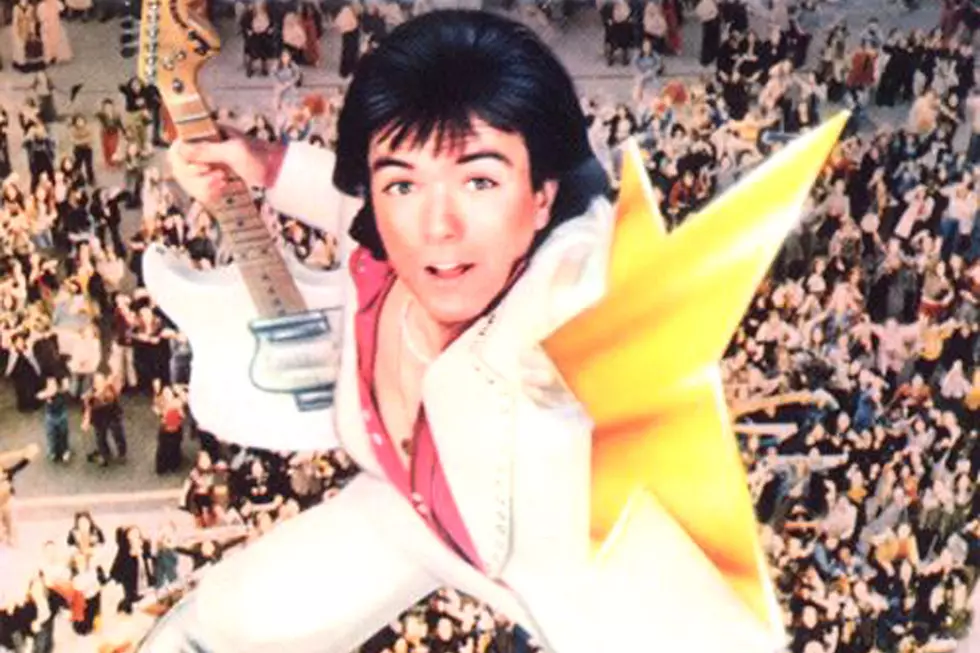
A TV-pop remake that softened a bright old hit into something bruised, intimate, and unmistakably early-1970s.
When The Partridge Family released “Breaking Up Is Hard to Do” in 1972, it could easily have been dismissed as one more television tie-in single built to ride familiarity and star power. But that would miss what makes this record linger. Their version of the Neil Sedaka and Howard Greenfield classic reached No. 8 on the Billboard Hot 100, becoming the group’s final American Top 10 hit, and it did something more interesting than simply recycle an old favorite. It quietly changed the song’s emotional weather. What had been a bright, almost deceptively cheerful 1962 smash was recast as a softer, shakier confession, with David Cassidy giving the lyric a tenderness that made teen heartbreak feel less like a pop slogan and more like a real ache.
That shift matters. The original “Breaking Up Is Hard to Do”, a No. 1 hit for Neil Sedaka in 1962, had all the energy of early-60s pop optimism: brisk rhythm, catchy nonsense syllables, and a polish that made sorrow danceable. It was a wonderful record, but it wore its sadness with a smile. By 1972, the emotional climate of pop had changed. Songs had become more inward, softer around the edges, more willing to let uncertainty remain unresolved. Into that world came The Partridge Family, a group born from television fantasy but capable, at their best, of sounding more emotionally truthful than critics were often willing to admit.
This is why the record deserves a fresh hearing. The arrangement does not turn the song into a full torch ballad, yet it eases off the bounce enough to let the lyric breathe. There is still polish, of course. This was TV-pop, carefully produced and designed for wide appeal. But inside that sheen is a real emotional adjustment. The beat is gentler, the phrasing less chirpy, and the whole performance carries the faint weight of disappointment rather than the bright sting of youthful melodrama. It is heartbreak after the room has gone quiet.
Much of that comes from David Cassidy. By 1972, he was not merely a television favorite; he was one of the defining teen idols of the era, with a voice that could sell charm instantly. Yet on this performance, charm is not the whole story. He sounds lighter than a soul singer, less world-weary than the great adult interpreters of breakup songs, but that is exactly why the record works. Cassidy brings vulnerability without overstatement. He sings as if the hurt is still new, still half-understood, still sitting somewhere between disbelief and acceptance. That quality gives the remake its distinctive early-70s sadness. It does not sound shattered. It sounds unsettled.
There is also something quietly prophetic about the recording. Years later, Neil Sedaka would famously reimagine “Breaking Up Is Hard to Do” as a slower 1975 ballad, and that remake became a major hit in its own right, reaching No. 8 on the Billboard Hot 100 as well. But The Partridge Family had already pointed in that direction. Their 1972 version was not as slow or as dramatically reconfigured as Sedaka’s later rereading, yet it had already understood that the song could carry a deeper shade of feeling than its original packaging suggested. In that sense, this remake stands as a fascinating bridge between two pop eras: the buoyant innocence of the early 60s and the more reflective softness of the early 70s.
It also reveals something important about The Partridge Family as a recording act. Because the group came from a successful ABC television series, their music has sometimes been filed away too quickly under nostalgia, branding, or manufactured entertainment. Certainly, the project was tightly managed, and like many studio-driven pop acts of the period, the recordings were built with the help of seasoned session players and strong commercial production. But commercial craft and emotional effect are not opposites. On singles like “Breaking Up Is Hard to Do”, the machinery and the feeling briefly met in exactly the right place. The result was a record that sounded accessible enough for afternoon television audiences and sincere enough to stay with listeners long after the episode ended.
The song’s meaning changed subtly in their hands as well. In 1962, the title could feel almost universal in a playful, all-purpose way. In 1972, sung by David Cassidy, it became smaller and more personal, as if the singer were discovering the truth of the line in real time. That is the magic of this version. It does not grandly reinterpret the composition. It simply lowers its voice and lets the sadness show through. Sometimes that is all a remake needs to do.
Looking back now, this recording feels like one of those overlooked pop moments that says more about its time than people realized. It captures a period when television pop was still powerful, when teen idols could sound genuinely wounded, and when an old standard could return with a different shade of meaning simply because the culture had changed around it. The Partridge Family’s “Breaking Up Is Hard to Do” may not be the definitive version of the song for every listener, but it remains one of its most revealing transformations: a familiar hit turned fragile, melodic, and quietly aching in a way only 1972 could have produced.
