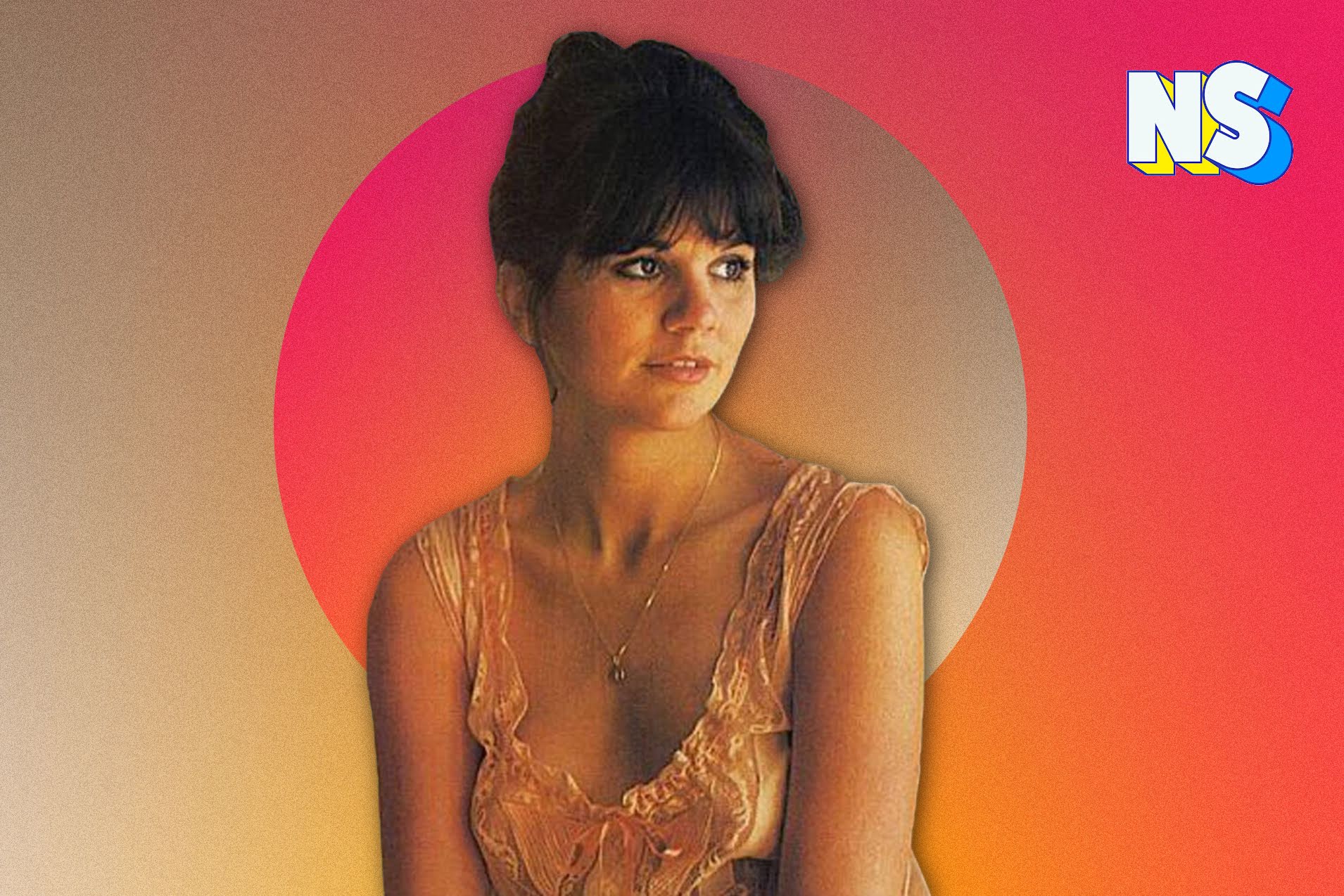
Linda Ronstadt turned When Will I Be Loved into far more than a hit in 1975; she made an old wound sound fast, proud, and unforgettable in the very years when radio could still make a voice feel personal.
There are songs that climb the charts, and there are songs that seem to define the air around them. Linda Ronstadt’s When Will I Be Loved belongs in that second category. Released from Heart Like a Wheel and hitting No. 2 on the Billboard Hot 100 in 1975, it did something that only the very best remakes ever do: it honored the original while making the listener feel, almost instantly, that this new version had its own heartbeat, its own weather, its own authority. In commercial terms, it was a major smash. In artistic terms, it was a declaration. Coming after You’re No Good, which had already taken Ronstadt to No. 1, this record proved that her success was not a lucky moment or a temporary wave. She was becoming one of the defining voices of American radio in the mid-1970s.
That No. 2 peak matters, but not only because it is a chart statistic. Plenty of songs reach high positions and then fade into trivia. When Will I Be Loved did the opposite. It stayed. It kept turning up on radios, in memories, in greatest-hits collections, and in conversations about what exactly made Linda Ronstadt such a singular interpreter of material that had already lived another life. Her version took a song written by Phil Everly and first made famous by the Everly Brothers in 1960, and it reintroduced it to a new era without sanding away any of its sting. That alone is rare. Most covers either imitate too politely or rebel too hard. Ronstadt found the narrow road between those extremes.
The genius of her recording lies in its economy. The song is short, direct, and musically unpretentious, which is exactly why it is so hard to do well. There is nowhere to hide. The lyric asks a bruised but dignified question over and over: when does the cycle end, and when does love arrive without humiliation attached to it? In the hands of the Everly Brothers, the song carried that clean early-rock-and-roll ache, tight and elegant. In the hands of Linda Ronstadt, it became sharper and more driving, with a country-rock pulse that felt perfectly at home in 1975. The arrangement moves briskly, the guitars have bite, the rhythm has lift, and her vocal rides above it all with remarkable command. She does not oversing. She does not plead. She sounds wounded, certainly, but also alert, almost impatient with the foolishness of being hurt again.
That balance is one of the great achievements of the record. Many singers can communicate sadness; fewer can communicate self-respect inside sadness. Ronstadt understood that the lyric of When Will I Be Loved is not only about heartbreak. It is about repetition, disappointment, and emotional fatigue. It is about someone who has seen the pattern too many times and can no longer dress it up as romance. Her voice gives the song that extra dimension. There is steel in it. Even at its most vulnerable, the performance never collapses. That is part of why the record still feels so modern. It refuses melodrama. It recognizes pain, but it will not surrender dignity.
The timing of the release also matters. Heart Like a Wheel was the album that changed everything for Ronstadt on a mass level, and it eventually reached No. 1 on the Billboard 200. By that point, she had already built a reputation as a gifted singer with deep roots in folk, country, and rock, but 1974 and 1975 turned reputation into domination. When Will I Be Loved helped cement that transformation. It showed that Ronstadt could take material associated with an earlier generation of hit-making and filter it through the wider, brighter, more muscular sound of 1970s California rock radio without losing emotional truth. That is no small feat. In fact, it may be one of the central reasons the record still matters. It serves as a bridge between two golden periods of American popular music.
It also reveals something essential about Linda Ronstadt as an artist. She was never merely a singer with a beautiful voice looking for big choruses. She was a meaning-maker. She could hear the emotional architecture inside a song and then rebuild the room without changing the foundation. On paper, When Will I Be Loved is almost modest. In execution, it becomes thrilling. The record flashes by, but it leaves an afterimage. By the time she reaches the final refrain, the song feels both timeless and freshly claimed. That is the mark of a defining performance: it makes listeners forget that the material once belonged elsewhere, even while respecting its lineage.
So why does this recording deserve a place in the greatest-songs conversation? Because greatness is not only about authorship, historical firstness, or poetic complexity. Sometimes greatness is about perfect alignment: the right singer, the right song, the right moment in culture, the right sound on the radio. Linda Ronstadt’s When Will I Be Loved checks every one of those boxes. It was a major hit. It came from a landmark album. It translated one era of American pop into another. And most importantly, it captured a feeling that never goes out of date: the weary question of a person who still believes in love, but no longer believes every promise.
That is why the record still lands with such force. It is bright without being shallow, catchy without being disposable, and wounded without asking for sympathy. In just a little over two minutes, Linda Ronstadt delivered one of the clearest statements of her radio-era brilliance. Some No. 2 hits feel like near-misses in the shadow of the top spot. This one feels larger than its chart position. It sounds like arrival. It sounds like mastery. And nearly fifty years later, it still sounds like a singer taking a familiar heartbreak and making it wholly, unmistakably her own.
