Sometimes the public hears a song’s true destiny before the record business does. You Don’t Bring Me Flowers became immortal when radio turned two separate recordings into one of pop’s most unforgettable conversations.
In 1978, Neil Diamond and Barbra Streisand did not simply arrive with a carefully planned superstar duet. What listeners fell in love with first was something far more unusual: a song that had been recorded separately, by two different artists, and then emotionally completed by radio itself. By the time the official duet version of You Don’t Bring Me Flowers was released, the public had already heard the truth in it. The record went on to spend a week at No. 1 on the Billboard Hot 100 in December 1978, and it also reached No. 1 on the Adult Contemporary chart. That chart success matters, of course, but the deeper story is why people responded so quickly. They were hearing not just a hit, but a heartbreak that suddenly sounded whole.
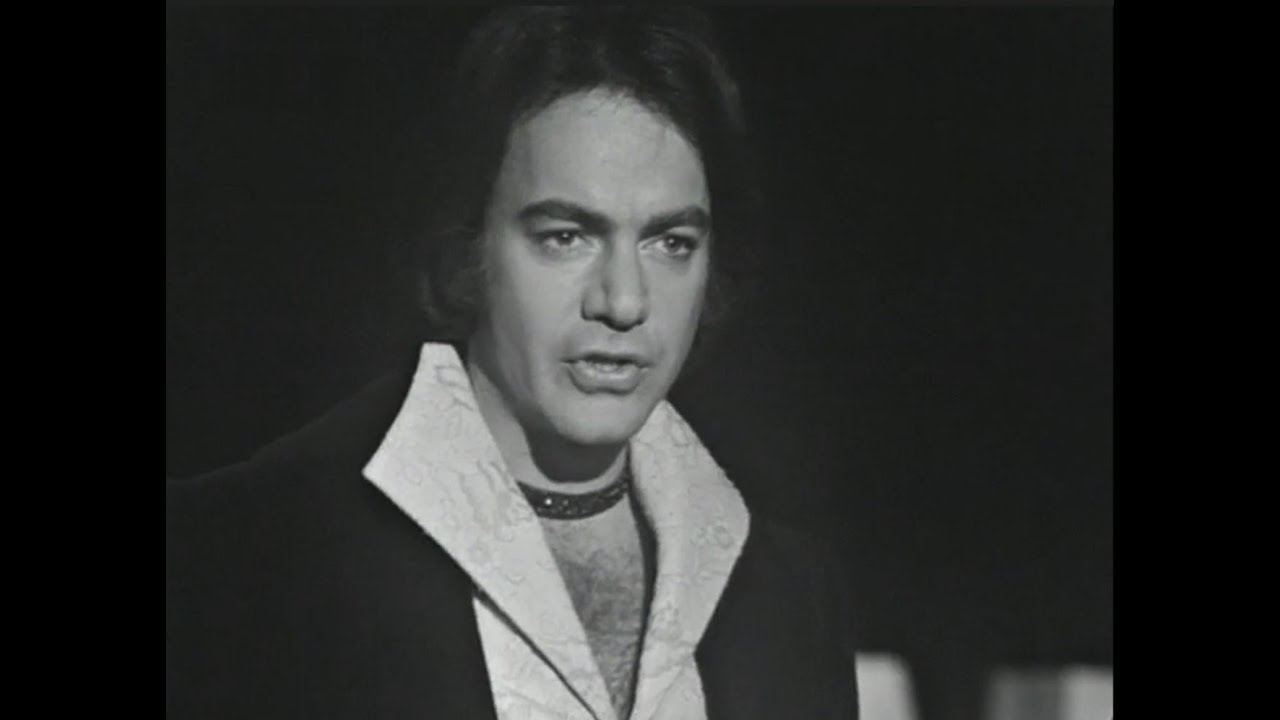
The song was written by Neil Diamond with Alan Bergman and Marilyn Bergman, a songwriting team capable of turning everyday emotion into language that felt almost painfully familiar. Its earliest life was modest. It began in connection with the television series All That Glitters, where it first appeared in short form before being developed into a full song. Neil Diamond recorded it for his 1977 album I’m Glad You’re Here with Me Tonight, singing it as a solitary reflection, quiet and wounded. There was already great sadness in his version, but it was the sadness of a single voice looking back across a cold room.
Then came Barbra Streisand. She recorded her own solo version for her 1978 album Songbird. Her reading gave the song another center of gravity. Where Diamond sounded bruised and bewildered, Streisand brought poise, ache, and a kind of contained disappointment that made the lyric cut differently. On paper, these were simply two separate recordings by two major artists. On the radio, they became something else.
That is where the legend turns from music history into radio history. In 1978, programmers at American radio stations began combining the Neil Diamond and Barbra Streisand versions on air, creating an unofficial duet. One of the stations most often connected with the breakthrough is Louisville’s WAKY, where the idea gained wide attention, though the story spread in the organic, fast-moving way radio stories often do. What mattered was the effect. The voices fit with uncanny ease, as if the song had been waiting for this form all along. Suddenly, what had been two separate performances became a conversation between two people standing inside the same broken marriage, each hearing the other too late.
That was the miracle of it. The record business did not invent the emotional hook first. The audience discovered it. Listeners responded immediately because the duet changed the meaning of the lyric. In a solo version, You Don’t Bring Me Flowers is intimate and sad. As a duet, it becomes devastating. The line about flowers is no longer a complaint about romance fading. It becomes a shorthand for everything that once came naturally and no longer does: gestures, attention, tenderness, even the habit of noticing another person’s feelings. This is not the drama of young love burning out in a storm. It is the quieter sorrow of closeness worn down by time, routine, and silence.
That emotional maturity is one reason the song has lasted. So many love songs are built around beginnings or endings. You Don’t Bring Me Flowers lives in the middle, in that painful season when two people have not fully left, yet something essential has already gone missing. The melody moves gently, almost carefully, as if afraid of saying too much. The arrangement gives both singers room to breathe, and in those spaces one can feel the ache gathering. When Diamond and Streisand move toward the final passages together, the song no longer sounds like a memory. It sounds like recognition.
Columbia wisely understood what radio had uncovered and released an official duet version. It was one of those rare moments when the industry followed the instinct of the audience rather than the other way around. That reversal is part of what makes this story so beloved. In an era before digital mashups, before viral trends, before the modern language of fan-driven discovery, local radio personalities and their listeners effectively revealed the final form of a major hit. Tape, timing, and intuition turned into a national event.
And yet the song’s staying power cannot be explained by novelty alone. If the idea had been clever but emotionally hollow, the excitement would have faded. Instead, the duet endured because it deepened a truth already embedded in the writing. Neil Diamond, Barbra Streisand, and the Bergmans gave popular music one of its most eloquent portraits of love after the grand gestures have thinned out. No shouting, no theatrics, no easy villain. Just distance. Just regret. Just two voices realizing that tenderness is often lost in small ways long before anyone says the larger, more frightening words.
That is why the 1978 radio-created duet story still feels so moving. It reminds us that sometimes a song’s final meaning is not fixed in the studio. Sometimes it waits in the ears of the people listening. You Don’t Bring Me Flowers became a No. 1 record because radio heard a duet hidden inside two solo performances, and because the audience recognized the heartbreak instantly. What followed was not merely a hit single. It was one of those rare pop moments that felt discovered rather than manufactured, a record that seemed to bloom not from strategy, but from shared instinct and shared memory.
