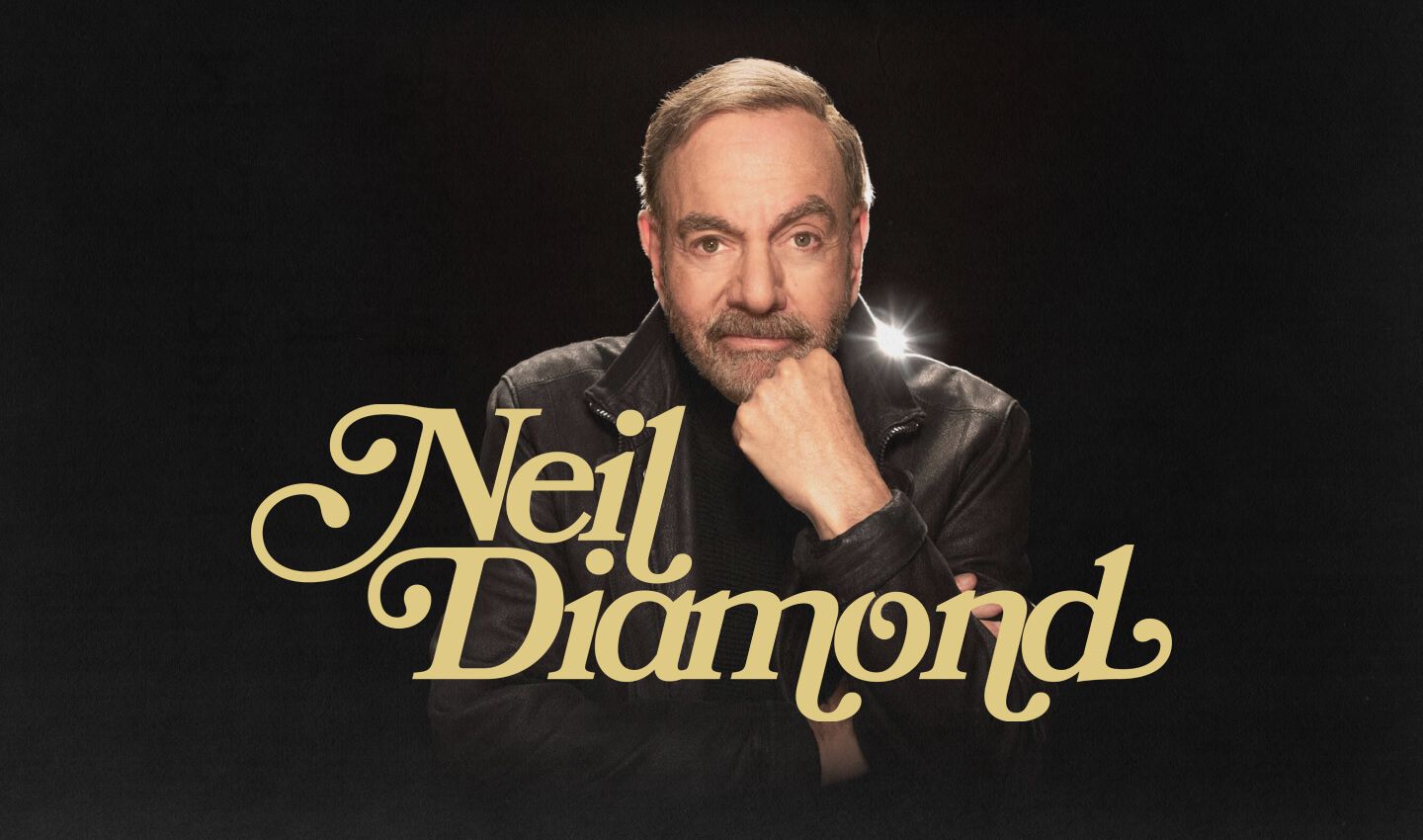
“Shilo” is one of Neil Diamond’s most revealing songs: first recorded in the mid-1960s, then finally embraced in 1970 when a Bang Records reissue turned a private memory into a national hit.
Some songs arrive all at once. Others wait, quietly, until the world is ready to hear what they have been saying from the beginning. “Shilo” belongs to that second category. Neil Diamond recorded it during his early years with Bang Records, and it first appeared on his 1966 debut album, The Feel of Neil Diamond. Yet it was not pushed as a single at the time, which meant it had no real chart life in its first moment. Only later, in 1970, after Diamond had become a much bigger name, did Bang bring the song back out as a single. That reissue changed everything. “Shilo” climbed to No. 24 on the Billboard Hot 100, and an earlier, deeply personal recording suddenly found the broad audience it had missed the first time around.
That commercial turn is important, but it is not the whole story. The reason “Shilo” still matters is that it never sounded like a calculated hit in the first place. It sounded like memory. It sounded like solitude. It sounded like a young songwriter reaching into his own childhood and pulling out something fragile enough that many labels would have hesitated to build a single around it. Diamond himself long suggested that Bert Berns, the head of Bang Records, did not hear it as an obvious hit when it was first recorded. In the fast-moving pop market of the mid-1960s, that may not be surprising. Neil Diamond already had more immediate, radio-friendly material such as “Cherry, Cherry” and “Solitary Man”. “Shilo” was gentler, more inward, and emotionally riskier.
And yet that is exactly what gives the song its lasting power. Beneath its graceful melody lies one of the most autobiographical themes in Diamond’s early catalog: loneliness. “Shilo” is widely understood as a reflection of an imaginary friend from childhood, a companion figure born out of isolation. Whether heard literally or symbolically, the song feels like a conversation with the self before adulthood hardens into performance. That is why it carries such unusual tenderness. It is not merely about missing someone. It is about inventing a place of comfort when none seems available. Few pop songs of that era said so much with such restraint.
Musically, the song also reveals an early version of what would become one of Diamond’s great strengths. Even before the grander stage works and the later arena-sized performances, he already knew how to build emotional drama without losing intimacy. “Shilo” begins with reflection and then rises with a quiet ache, as if the singer is trying to steady himself while the past comes back in waves. That balance between confession and craft is one reason the recording aged so well. What may have seemed too personal or too understated in 1966 felt deeply human by 1970.
The timing of the reissue matters enormously. By 1970, Neil Diamond was no longer just a promising songwriter from his Bang years. He had already become a major recording artist through later successes, including songs that gave him a broader national presence. Once that happened, the earlier catalog suddenly looked different to the label. Bang Records recognized that “Shilo”, once treated as a modest album track, now had commercial value. In some releases tied to the 1970 push, the recording also appeared in revised mixes, a reminder that the label was repackaging the past for a new moment. There was a business motive in that, certainly, but it also had an unintended grace: listeners were finally being led back to one of the truest performances Diamond had put on tape.
There is something almost ironic in that history. A song born from private feeling had to travel through industry calculation before it could be properly heard. But that irony is part of what makes the record so compelling. When audiences discovered “Shilo” in 1970, many were hearing not just an old recording, but a younger Neil Diamond preserved inside it. They were hearing the vulnerable writer behind the polished star image. They were hearing the boy before the legend.
Its chart run to No. 24 on the Billboard Hot 100 may not place it among the very biggest hits of Diamond’s career, but numbers alone do not explain its significance. “Shilo” helped reframe him. It reminded listeners that before the grand statements and singalong choruses, he had already mastered something more difficult: emotional honesty without self-pity. The song does not beg for sympathy. It simply opens a door and lets the listener step into a room most pop singles would have kept locked.
That is why the 1970 reissue feels so important in retrospect. It did more than rescue a fine recording from relative obscurity. It restored the dignity of a song that had been ahead of its market. In the confessional climate of the early 1970s, listeners were more prepared for a record like “Shilo”. What once may have seemed too inward now felt brave. What once may have sounded commercially uncertain now felt timeless.
So when people return to Neil Diamond’s catalog and find “Shilo”, they are hearing more than a song. They are hearing a delayed recognition. They are hearing proof that some recordings do not fail in their first moment; they simply wait for history to catch up. Few reissues have ever made that clearer, or more movingly, than the 1970 return of “Shilo”.
