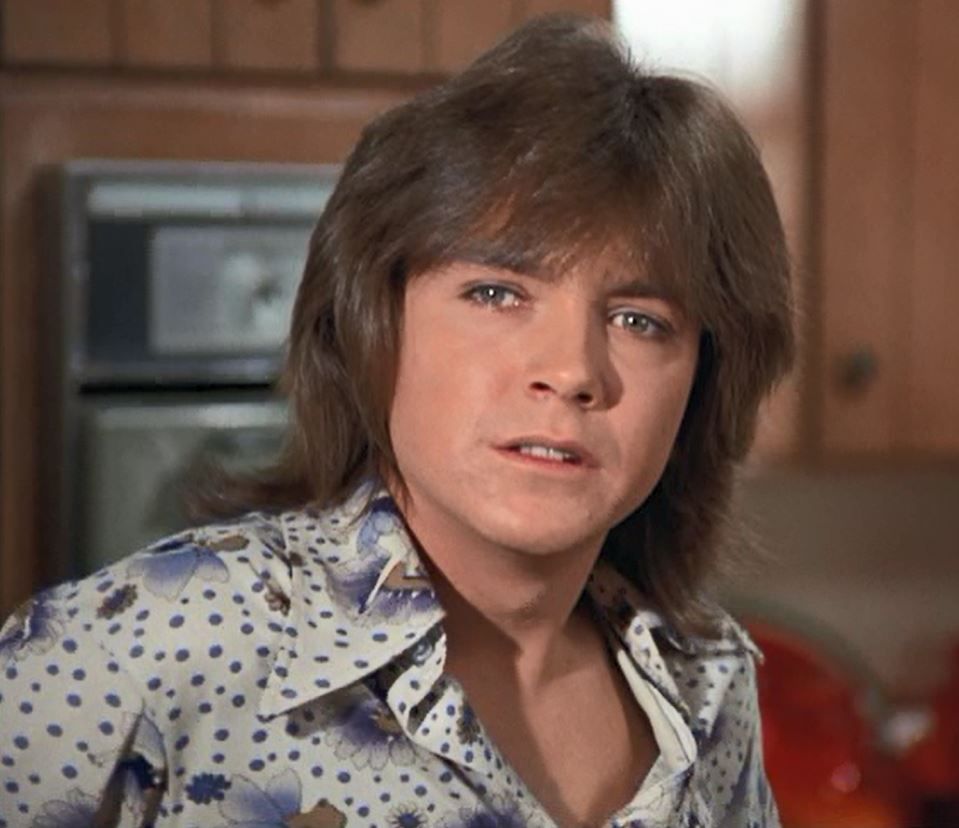
Ain’t Love Easy caught The Partridge Family at the moment their television-bright pop began to sound a little older, a little wiser, and just tired enough to tell the truth about love.
By late 1972, The Partridge Family was still one of the most recognizable pop brands in America, but the mood around the music had started to shift. The bright colors were still there, the harmonies were still polished, and the familiar California sheen had not disappeared. Yet songs like Ain’t Love Easy suggested something subtle but important: this was no longer only the sound of cheerful innocence. Released as a single in 1972, the record reached No. 27 on the Billboard Hot 100, a respectable showing that also told its own story. It was a hit, yes, but it was not the kind of runaway cultural event that had greeted the group’s earlier smash records. And that makes the song even more revealing now.
What gives Ain’t Love Easy its lasting interest is not simply the melody, though it is catchy in that easy-moving, radio-friendly way that The Partridge Family knew so well. It is the emotional shading inside it. Earlier hits often sold a kind of youthful urgency or wide-eyed longing. This one sounds more seasoned. The title itself gives the whole game away: love is not floating effortlessly through sunshine anymore. Love is effort. Love is uncertainty. Love is something that can wear you down a little before it lifts you up again.
That emotional turn matters because The Partridge Family had always lived in a fascinating tension between image and feeling. On television, they represented a clean, family-friendly fantasy of pop success. In the studio, however, those records were often sharper and more musically sophisticated than critics were willing to admit at the time. Produced within the hit-making Los Angeles system that surrounded the group, and carried most prominently by David Cassidy‘s increasingly expressive lead vocals, the best Partridge Family records could do more than sell charm. They could hint at disappointment, longing, and the uneasy truths that sit just under an upbeat arrangement. Ain’t Love Easy belongs to that category.
Listen closely to the record in the context of late 1972 and you can hear a change in the air. The pop world was evolving. The burst of pure bubblegum was fading, and audiences were leaning more and more toward singer-songwriters, soft rock confessions, and records that sounded lived-in rather than manufactured. The Partridge Family could not entirely escape the television gloss that had made them famous, but on Ain’t Love Easy they did not sound trapped inside it either. Instead, the song feels like a bridge between two eras: one foot still planted in bright AM radio craftsmanship, the other stepping toward a more mature emotional vocabulary.
David Cassidy is central to why the song works. By this point, he was no longer just the smiling face at the center of a carefully controlled teen phenomenon. His voice had developed a stronger undercurrent of feeling, and he knew how to lean into a line just enough to make it sound believable rather than decorative. That is the hidden strength of Ain’t Love Easy. The arrangement remains accessible, even sweet, but the vocal performance keeps telling us that the lyric is not a fantasy. It is a recognition. The song accepts that romance comes with confusion, imbalance, and emotional fatigue. That small admission gives the record a depth that casual listeners may have missed the first time around.
The story behind the song is also part of its appeal. Like the best records associated with The Partridge Family, it came from a highly professional studio environment built to make hits quickly and effectively. But professionalism alone does not explain why some songs survive reassessment. Ain’t Love Easy survives because it captured a mood that the group’s public image was only beginning to reflect. By the end of 1972, the series was no longer brand-new, the cultural moment around teen idols was changing, and even the fantasy of effortless happiness was showing a few seams. This record lets those seams show just enough to be moving.
Its meaning, then, is richer than the title first suggests. Yes, it is a love song. Yes, it is built for radio. But it also quietly acknowledges that affection is not simple and that emotional certainty can slip away. That made it a more grown-up single than many people expected from the group. In that sense, Ain’t Love Easy is not a betrayal of the Partridge formula. It is the formula aging in real time.
Today, that is exactly why the song deserves another listen. It reveals that The Partridge Family was never only about manufactured brightness. Beneath the clean hooks and television packaging, there were moments when the records began to register real wear, real tenderness, and a more complicated understanding of love. Ain’t Love Easy may not be the first title named in every retrospective, but it is one of the clearest windows into the group’s late-period emotional texture. And heard now, with all the distance of years behind it, that slightly worn edge feels less like a footnote and more like the truth finally reaching the surface.
