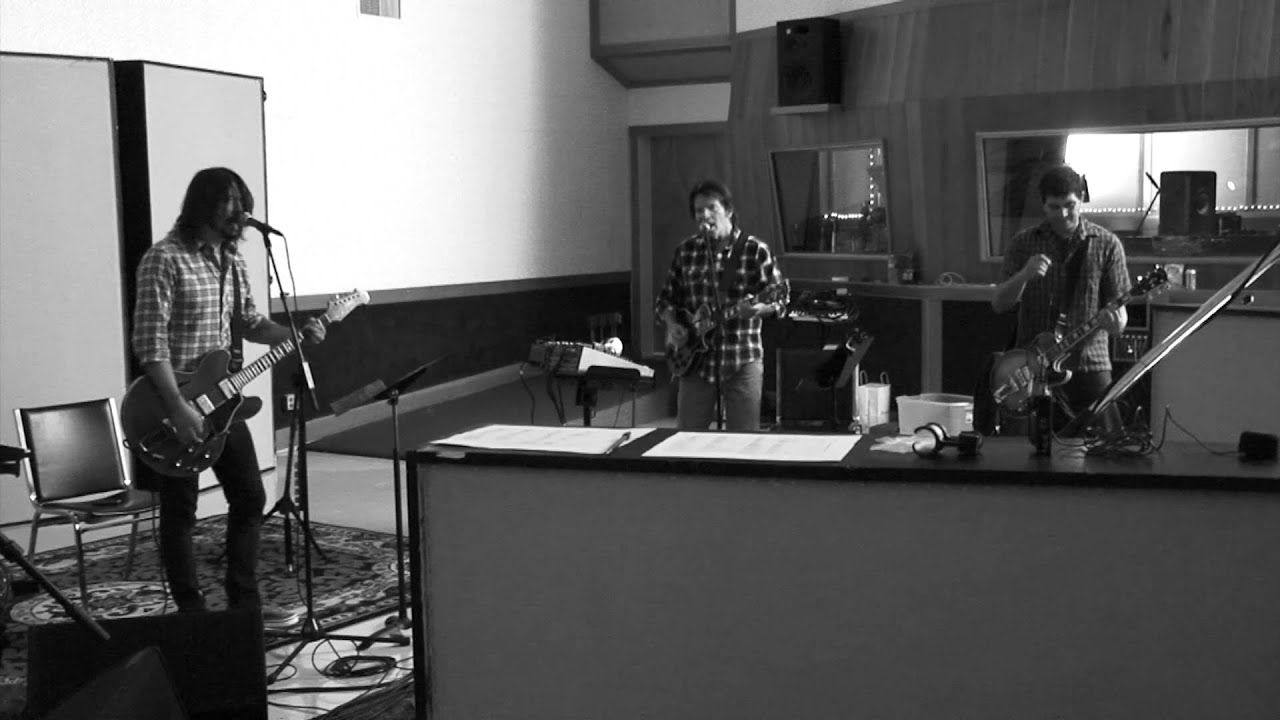
On his 1975 solo album, John Fogerty did not polish You Rascal You into nostalgia; he let its old grin keep biting.
John Fogerty‘s cover of You Rascal You belongs to a very specific crossroads in his story: the 1975 eponymous album John Fogerty, released after the break-up of Creedence Clearwater Revival and after his one-man roots project The Blue Ridge Rangers. That context matters. This was not simply a rock singer reaching for an antique tune because it was fun to play. It was Fogerty placing his own name on the front of a record and, inside that moment of reinvention, reaching back to a song with a long, mischievous, and slightly dangerous life of its own.
You Rascal You, written by Sam Theard and often known by the sharper longer title I’ll Be Glad When You’re Dead, You Rascal You, had already traveled through decades of American music before Fogerty touched it. It came out of the jazz and blues bloodstream of the early twentieth century and became associated with performers such as Louis Armstrong, Fats Waller, and Cab Calloway. The song has always carried a strange double edge: the language is comic, almost cartoonish, yet the sentiment underneath is pure grievance. It smiles while showing its teeth. It swings, but it also threatens. It belongs to that old popular-music tradition where a singer could turn jealousy, insult, and revenge into a bounce that makes people tap their feet before they realize how sour the joke is.
That is exactly why Fogerty makes sense as one of its later interpreters. Long before he recorded it under his own name, he had built a body of work that treated American roots music not as a museum but as a living engine. With Creedence Clearwater Revival, Fogerty pulled from rock and roll, country, swamp blues, gospel feeling, R&B drive, and back-porch storytelling, even though the band itself came from the Bay Area rather than the Southern landscapes his songs so vividly evoked. He understood how an old musical idiom could sound newly urgent if it was played without fuss, without polish, and without embarrassment.
On the 1975 John Fogerty album, You Rascal You sits beside original material such as Rockin’ All Over the World and Almost Saturday Night, along with other covers that reveal the record collector inside the songwriter. The album was part declaration, part reset. After the enormous public identity of Creedence, Fogerty was trying to define what remained when the band name was gone and the voice stood alone. Covers on a record like this are never neutral. They tell you what an artist trusts. They show the shelves in his imagination. By choosing Sam Theard‘s old jazz-blues standard, Fogerty was not reaching for refinement; he was reaching for attitude, rhythm, and a kind of rough public humor that could survive many different eras.
The appeal of Fogerty’s version is not that he turns the song into something completely unrecognizable. Its power comes from the opposite impulse. He recognizes the tune’s durable bones: the taunting phrasing, the sly accusation, the way the title itself can be sung as both punchline and warning. In Fogerty’s hands, the number feels less like a parlor-room novelty and more like a roots-rock cousin to the same world that produced his sharpest Creedence characters. He had always been drawn to narrators under pressure: drifters, gamblers, working men, sinners, runaways, people standing at the edge of trouble. The rascal in this song could easily wander into that crowd.
There is also a revealing tension in hearing Fogerty cover such a communal, well-worn song on an album so tied to individual identity. John Fogerty was not a debut in the ordinary sense; he was already one of the most recognizable voices in American rock. But the record still carried the uneasy feeling of a new beginning. To sing You Rascal You in that setting is to step into an older mask at the very moment you are trying to take ownership of your own face. The song lets him snarl, joke, and move without having to make a grand statement. Sometimes a cover says more by what it allows an artist to avoid saying directly.
That may be why the performance still has an interesting place in Fogerty’s catalog. It is not usually discussed with the same attention given to his biggest Creedence songs or his later solo resurgence, but it reveals the continuity underneath the career shifts. The old American songbook was never separate from Fogerty’s rock and roll imagination. It was part of the grammar. You Rascal You shows him borrowing from a pre-rock era not to soften his sound, but to sharpen its edges. The joke remains a joke, the groove remains loose, yet the performance carries the restless bite of a man refusing to let the past sit still.
He did not turn Sam Theard‘s classic into a monument. He treated it like something still breathing, still irritable, still ready to start trouble at the edge of the room. In the middle of a self-titled solo album loaded with the pressure of aftermath and renewal, that old rascal suddenly sounds less like an antique character and more like one of Fogerty’s own survivors: grinning, stubborn, and impossible to file away neatly.
