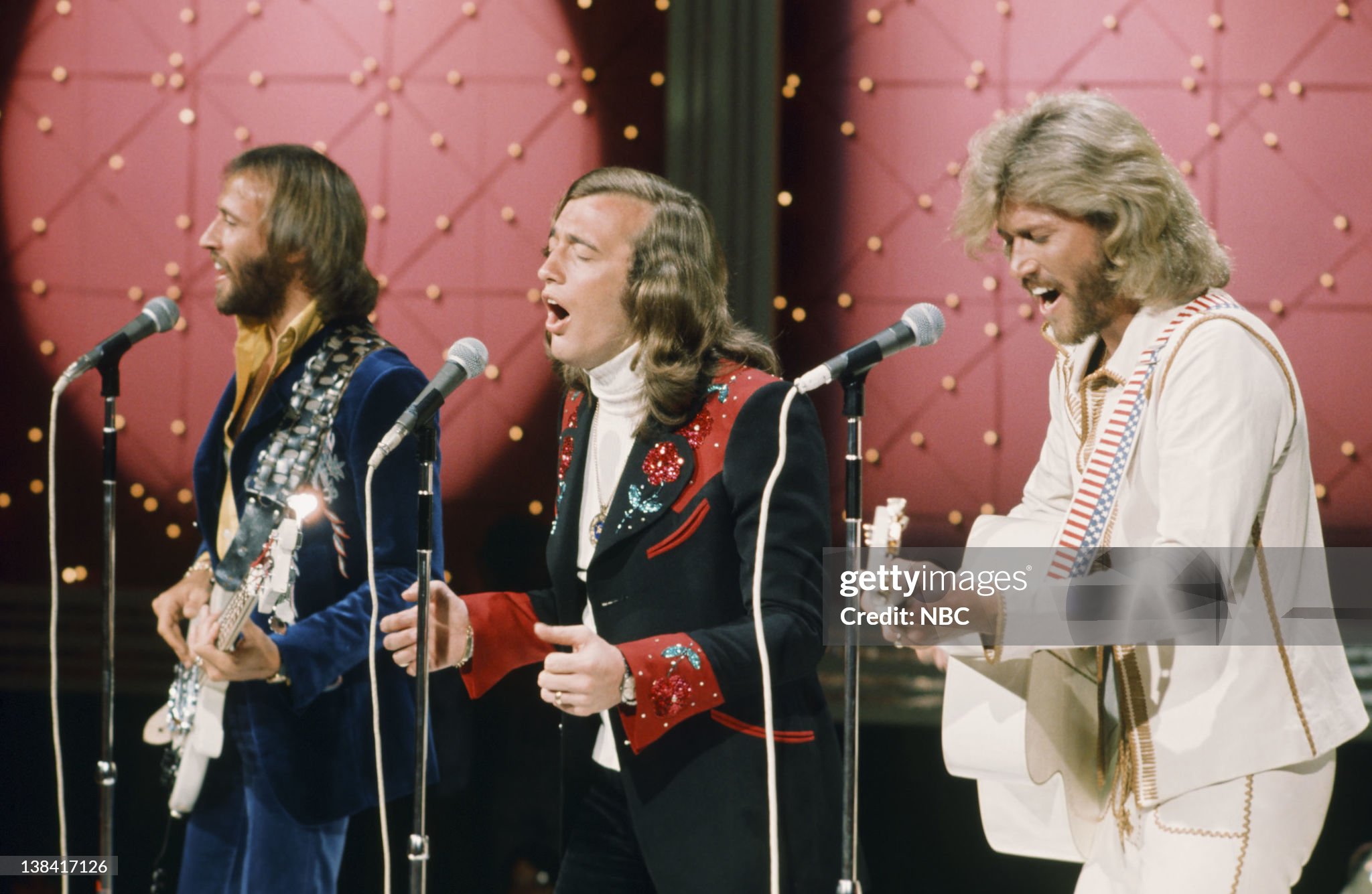
At the very end of Idea, the Bee Gees left behind a song that feels less like a finale than a fading thought—quiet, ornate, and far more affecting than its reputation suggests.
When Bee Gees released Idea in 1968, the album arrived during one of the most fertile and emotionally layered stretches of their early career. It is usually remembered for the major songs that drew immediate attention, especially I Started a Joke and I’ve Gotta Get a Message to You. Yet the record ends on a different kind of statement. Swan Song, sung by Barry Gibb and placed as the closing track, does not fight for the spotlight. It seems to withdraw from it. That is part of its power. For listeners who stay with the album all the way to the end, it opens a quieter door into what made the late-1960s Bee Gees such singular craftsmen of mood, melody, and melancholy.
Calling it an overlooked baroque pop gem is not exaggeration. Swan Song belongs to that richly detailed late-1960s moment when pop music could be intimate and decorated at the same time, when chamber-like touches and shifting harmonies could make a song feel as if it were drifting through memory instead of simply moving from verse to chorus. The Bee Gees were especially gifted at that balance. Their early records often carried the emotional density of small dramas, but they were never only theatrical. Beneath the arrangement and the careful architecture, there was almost always a human tremor. Swan Song keeps that tremor close to the surface.
The title itself suggests an ending, and on Idea it becomes exactly that, though not in any grand or declarative way. This is not the kind of album closer that tries to leave the room with a flourish. Instead, it seems to dim the lights. Barry Gibb‘s lead vocal is central to why the song lands so deeply. He does not overplay the mood. There is restraint in the performance, a sense of someone letting the melody carry what the words do not fully spell out. His voice, still youthful but already marked by that unmistakable emotional grain, gives the song a tenderness that feels almost private. Around him, the arrangement creates the soft architecture of classic Bee Gees baroque pop: elegant, measured, and faintly unsettled.
That unsettled feeling is important. A lesser song with this title might have pushed too hard toward farewell, turning sentiment into display. Swan Song does the opposite. It lingers in ambiguity. It feels reflective without becoming heavy, beautiful without turning decorative for its own sake. Even the placement on the album helps. After a record filled with memorable hooks and more immediately visible songs, this closing piece arrives like the thought that comes after the conversation is over. In that sense, it may be one of the most revealing moments on Idea. Albums often tell their deepest truth in the final minutes, when there is no longer any need to announce themselves.
It is also a reminder of how many listeners know only one chapter of the Bee Gees story. The group would later become identified with a very different sound and a very different kind of fame, but the late-1960s recordings show another identity entirely: literary, ornate, emotionally elusive, and often more fragile than their public image now suggests. Swan Song sits squarely in that earlier world. It is the sound of a band still working in miniature, shaping atmosphere with careful melodic turns and subtle emotional shading rather than driving everything toward impact. That kind of craft can be easy to miss, especially when louder songs surround it, but it ages beautifully.
What makes the track endure is not just its arrangement or its place in the album sequence. It is the way the song seems to understand that endings are rarely neat. The beauty of Swan Song lies in its refusal to force closure. Barry Gibb sings it with enough warmth to draw you in and enough distance to keep a small mystery intact. That balance is one of the qualities that made the early Bee Gees so compelling. They could write songs that sounded composed and delicate, yet left the listener with a feeling that something unresolved was still moving beneath the surface.
As a deep cut, Swan Song asks for a different kind of listening than the hits do. It does not announce itself in the first few seconds as a standard-bearer. It reveals itself slowly, through tone, placement, and aftertaste. The more one hears it within the full arc of Idea, the more fitting it feels as the album’s final gesture. Not an anthem, not a showpiece, but a soft withdrawal that somehow says more because it says less.
That may be why the song continues to reward people who return to the 1968 Bee Gees catalog looking for what lives beyond the best-known titles. At the close of Idea, Swan Song does not merely end the record. It changes the emotional shape of everything that came before it. What remains after it fades is not a dramatic finish, but a kind of suspended hush—the sound of a gifted young band trusting understatement, and of Barry Gibb finding a way to make quietness feel unforgettable.
