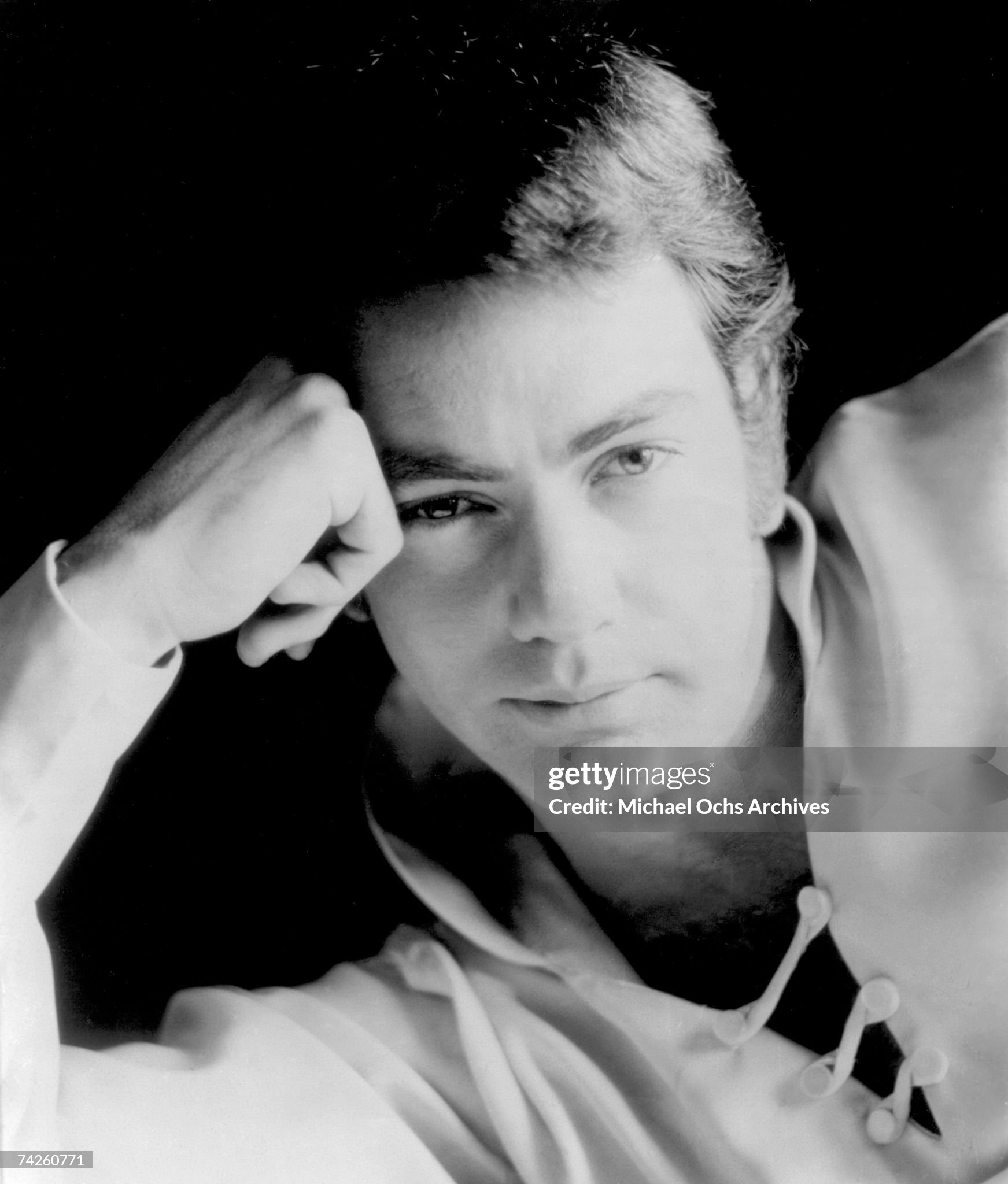
On Hurricane, Neil Diamond lets the polished surface of Heartlight carry rougher weather: desire, tension, and a voice that refuses to sit quietly inside the 1980s shine.
Neil Diamond released Heartlight in 1982, during a period when adult pop was learning a new studio language: cleaner edges, brighter keyboards, more spacious arrangements, and a kind of emotional directness built for both radio and the living room. The album is best remembered for its title track, Heartlight, written by Diamond with Burt Bacharach and Carole Bayer Sager, and widely associated with the cultural glow that followed E.T. the Extra-Terrestrial. But tucked within that same album is Hurricane, an album track that feels less like a greeting card from the era and more like weather gathering behind a closed window.
That distinction matters. Hurricane is not the obvious public face of Heartlight. It does not carry the same instant recognition as the album’s big single, nor does it ask to be remembered as a pop-cultural emblem of 1982. Instead, it works in the older Diamond way: through pressure, movement, and the force of a singer who often sounded most convincing when he was pushing against restraint. Where some parts of early-1980s pop aimed for a glossy kind of reassurance, Hurricane suggests that even a carefully produced record could still make room for unrest.
By 1982, Diamond was no newcomer searching for a signature. He had already passed through several musical identities: Brill Building songwriter, folk-pop hitmaker, dramatic concert performer, introspective balladeer, and arena-level storyteller. His voice carried the memory of all those phases. It could be intimate one moment and theatrical the next, sometimes within the same line. On Hurricane, that voice is the center of the storm. The title itself gives the listener a strong image before the song fully unfolds, but Diamond’s strength has always been in making large images feel personal. He did not need to sing about ordinary feelings in ordinary terms. He could take loneliness, attraction, pursuit, or uncertainty and place them under a sky big enough to make them echo.
The Heartlight album belongs unmistakably to its time. Its sound is shaped by the early-1980s appetite for precision: drums that feel carefully placed, keyboards that widen the room, backing textures that frame the lead vocal rather than crowd it. Yet Diamond’s baritone keeps the music from becoming merely decorative. He had a way of bringing grain into polish. Even when surrounded by studio sheen, he sounded human, slightly weathered, and alert to emotional danger. That is one reason Hurricane remains interesting as an album cut. It lets listeners hear the 1982 Neil Diamond not simply as a maker of comforting pop statements, but as an artist still drawn to big inner weather.
There is also something revealing about hearing Hurricane in the shadow of the title track. Heartlight looks upward; Hurricane moves through pressure. One reaches for a glow that feels communal and hopeful, while the other feels more physical, more unsettled, closer to the language of restlessness that had run through Diamond’s catalog for years. This contrast gives the album more dimension than casual memory sometimes allows. The record was not only about soft-focus sentiment. It also carried songs that showed Diamond testing how his older dramatic instincts could survive inside an updated pop frame.
That early-1980s frame is part of the song’s appeal now. Many recordings from that period sit at a crossroads between analog warmth and modern polish, and Hurricane benefits from that tension. It has the clean contours of its decade, but beneath them there is a performer whose instincts were formed in earlier rooms: songwriting offices, small stages, concert halls, and studio sessions where a phrase had to live or die by the conviction behind it. Diamond’s singing does not treat emotion as a decoration. He leans into it as if the song is something moving across him rather than something he is simply presenting.
For listeners who return to Heartlight beyond the famous single, Hurricane can feel like a reminder of how albums used to reveal themselves slowly. A hit might open the door, but the deeper tracks often told you more about the artist’s range, his restlessness, and the emotional rooms he was still willing to enter. In that sense, Hurricane is not merely a lesser-known cut from a successful 1982 release. It is a useful piece of the Diamond portrait: a song from an era of brightness that still knows how to rumble.
He was never only the singer of uplift, nor only the solemn romantic, nor only the showman in a glittering spotlight. On a track like Hurricane, those versions of Neil Diamond brush against one another. The pop craftsman is there, the dramatic vocalist is there, and so is the songwriter’s old attraction to elemental images. The result is a song that may not dominate the public memory of Heartlight, but still helps explain why Diamond’s catalog continues to reward closer listening. Sometimes the most revealing moment on an album is not the song everyone remembers first, but the one that changes the weather once you finally notice it.
