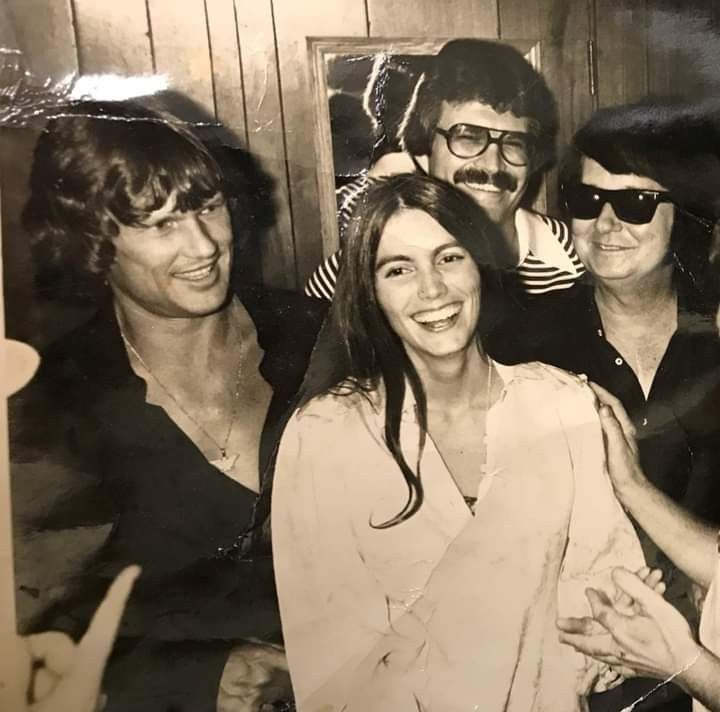
On Spyboy, Calling My Children Home becomes more than a live performance; it feels like Emmylou Harris gathering memory, faith, and longing into one quiet, unforgettable moment.
There are live albums built on applause, velocity, and the thrill of hearing familiar songs pushed louder than before. Then there are the moments that do the opposite, the ones that lower the temperature of the room and somehow say even more. On Emmylou Harris‘s 1998 live album Spyboy, one of those moments is Calling My Children Home, delivered with such spare conviction that it seems to suspend time. This particular live performance was not released as a separate charting single, so it carries no standalone Billboard placement of its own. But that absence almost feels fitting. It was never the kind of performance built to chase radio. Its power lives elsewhere, in stillness, in memory, and in the old truths that do not need fashion to survive.
That is part of what makes it so moving in the context of Spyboy. The album arrived after Harris had already reshaped her artistic identity through the atmospheric, adventurous sound of Wrecking Ball. In concert, that era gave her music a darker edge, a broader emotional weather, and a modern pulse that surprised many listeners who had first come to her through the country and roots work of the 1970s and early 1980s. Yet inside that more contemporary live frame, Calling My Children Home stands as a return to something older and deeper. It does not feel out of place. It feels essential, as though Harris is reminding the audience that no matter how far the road winds, she has never lost touch with the spiritual and traditional heart of her music.
The song itself reaches back into the gospel and folk tradition that shaped so much of American country music. It is widely associated with the Carter Family lineage, that bedrock source from which so many later singers drew both repertoire and emotional language. Emmylou Harris had already brought the song into her own world years earlier on Roses in the Snow, her 1980 acoustic landmark. That album reached No. 6 on Billboard’s Top Country Albums chart and remains one of the clearest statements of her devotion to roots music, bluegrass textures, and close, human-scale storytelling. By the time she returned to Calling My Children Home on Spyboy, the song no longer sounded like a repertoire choice alone. It sounded lived in.
What gives the Spyboy performance its unusual beauty is the way Harris resists any temptation to dramatize it too heavily. She does not force the song into grand statement. She trusts the lyric, and she trusts the silence around it. That restraint matters. In lesser hands, an old gospel number can become stiff with reverence or polished into something too pretty to touch. Harris avoids both traps. Her voice carries the weather of experience, but it never loses clarity. When she sings, the song feels less like performance and more like witness.
The meaning of Calling My Children Home has always rested in its image of home as something larger than an address. In gospel language, home is reunion, peace, and the end of wandering. In country language, home is kinship, memory, and the place where sorrow is finally understood. Harris holds both meanings at once. That is why the song lands so deeply. She sings it as a woman who knows that the word home can contain family, faith, grief, comfort, and the long ache of distance all in the same breath. On Spyboy, those ideas do not arrive as sermon. They arrive as feeling.
There is also a powerful contrast at work between the performance and the album surrounding it. Much of Spyboy carries the road-tested strength of a live band, with a sound that can be muscular, atmospheric, even fierce. Set against that backdrop, Calling My Children Home feels like a lantern suddenly lit in a dark field. The acoustic texture matters because it restores the oldest values in Harris’s art: tone, phrasing, story, and emotional patience. In that sense, the performance is not a detour from the album’s identity. It is the hidden center of it.
And perhaps that is why listeners return to this version with such affection. Not because it is flashy. Not because it changed the charts. Not because it arrived attached to some commercial milestone. They return because Emmylou Harris makes an inherited song sound personal without ever shrinking its tradition. She honors the old source while allowing her own life to breathe through it. Few singers have been better at that balancing act. Fewer still have done it with such grace on a live recording, where there is nowhere to hide and nothing to lean on but truth.
In the end, Calling My Children Home on Spyboy reminds us why Harris has remained such a cherished presence across decades of changing sounds. She can stand inside innovation, but she never forgets the old spiritual architecture beneath American roots music. This performance is quiet, yes, but it is not small. It carries family history, gospel memory, and the tenderness of someone who knows that the deepest songs do not age out of relevance. They wait for the right voice, the right room, and the right silence. On Spyboy, Emmylou Harris found all three.
