
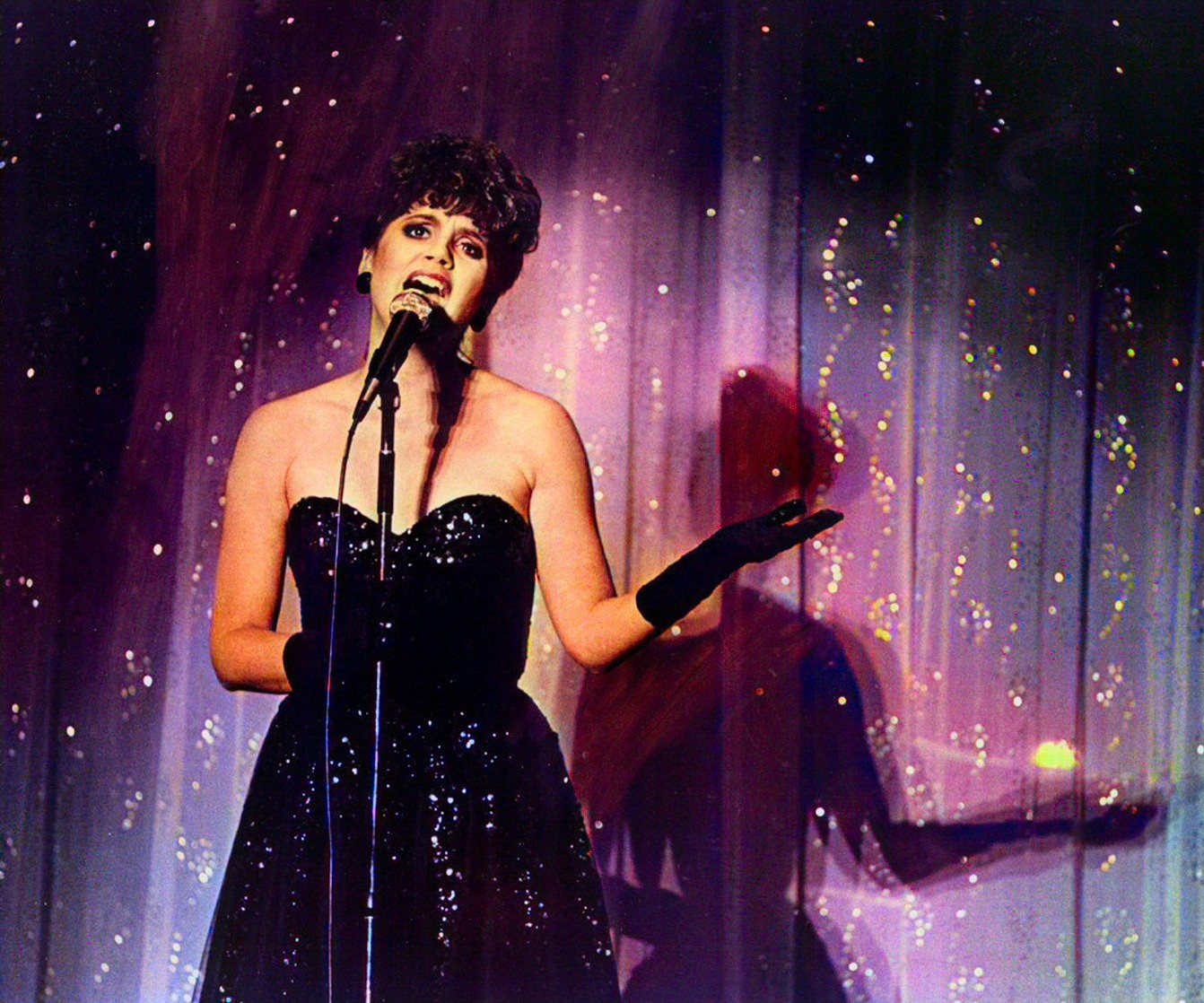
A playful hit on the surface, Poor Poor Pitiful Me revealed how beautifully Linda Ronstadt could turn wit, weariness, and heartache into something unforgettable.
There are songs that arrive with a grin and leave behind a bruise. Linda Ronstadt’s Poor Poor Pitiful Me is one of them. Released from her landmark 1977 album Simple Dreams, the single became a Top 40 pop hit, reaching No. 31 on the Billboard Hot 100. That chart fact matters, because it reminds us just how naturally Ronstadt could carry a sly, writerly song into the center of American radio without sanding away its personality. What sounded light and easy at first listen carried something more complicated underneath: romantic fatigue, self-mockery, and the tired little laugh people use when they have already seen enough of disappointment to recognize it on sight.
The song did not begin with Ronstadt. It was written by Warren Zevon and first appeared on his 1976 album Warren Zevon, a record now regarded as one of the great singer-songwriter statements of the decade. Zevon’s original had his usual mix of danger, dry humor, and emotional wreckage. Ronstadt heard what many great interpreters hear before the rest of us do: not just a good melody, but a whole emotional weather system waiting to be opened up. In her hands, Poor Poor Pitiful Me became less ragged and more radio-ready, yet it never lost the song’s crooked smile. She also adjusted the perspective of one key lyric, changing Zevon’s original reference to a woman into a man, making the song sit more naturally in her voice while preserving its teasing, battle-scarred spirit.
That was one of Ronstadt’s rare gifts. She was never merely covering songs; she was inhabiting them. By the time Simple Dreams arrived, she had already become one of the defining voices of the 1970s, and the album itself went to No. 1 on the Billboard 200. Working with producer Peter Asher, Ronstadt built records that felt polished but never bloodless, sophisticated but never cold. Poor Poor Pitiful Me fit that moment perfectly. The arrangement has a rolling, country-rock ease, with clean guitars and just enough lift in the rhythm to keep the song moving forward even as the narrator sounds as if life has knocked her around one more time than she planned for. It is catchy, certainly, but it is not empty cheer. The beat moves; the ache stays.
What makes the performance linger is Ronstadt’s tone. She never oversings the joke, and she never flattens the pain. Instead, she lets both sit side by side. That balance is the whole magic of the record. On paper, the lyric is full of misadventure, exasperation, and almost theatrical bad luck. But Ronstadt does not play it like melodrama. She sings it like someone who knows self-pity can be funny for a moment, yet also knows that beneath the wisecrack there is a real loneliness trying not to show itself too plainly. That is why the song still feels fresh. It understands that heartbreak is not always solemn. Sometimes it shrugs, fixes its hair, and keeps walking.
There is also something deeply revealing in Ronstadt’s choice to record a writer like Zevon. Her catalog has always been a meeting place of emotional intelligence and musical instinct. She could sing country, rock, folk, pop, and torch songs, but more importantly, she knew how to find the human center of material from very different worlds. Warren Zevon wrote with barbed edges; Linda Ronstadt brought warmth, clarity, and a kind of open-hearted strength. On Poor Poor Pitiful Me, those sensibilities meet in a way that feels almost perfect. His irony remains. Her empathy deepens it.
The meaning of the song has often been reduced to its title, as if it were simply a comic complaint. But the phrase is more interesting than that. In Ronstadt’s version, it becomes the sound of someone taking stock of disappointment without surrendering to it. The narrator may sound exasperated, but she is still standing there, still telling the story, still sharp enough to laugh at her own ruins. That is not weakness. That is survival, dressed up as a one-liner. Ronstadt understood that instinctively, and that is why her recording has lasted far beyond its chart run. It speaks to the strange dignity of carrying on when life has not behaved itself.
Even now, listening back to Poor Poor Pitiful Me feels like opening a familiar old room and finding the air still charged with memory. The record has the California polish of its era, but it also has something timeless: a woman singing with elegance, wit, and just enough hurt to make every line believable. Many singers could have delivered the hook. Very few could have given it this mixture of sparkle and shadow. That was Linda Ronstadt’s greatness. She could make a song feel immediately accessible, then let its deeper truth rise slowly after the melody had already won you over.
And perhaps that is the real reason the record still matters. It reminds us that some of the finest performances do not beg for attention with grand gestures. They win us quietly, almost casually, until one day we realize how much feeling was hidden inside what once sounded so effortless. Linda Ronstadt did that again and again, and Poor Poor Pitiful Me remains one of the clearest examples of her art: a bright, brisk, unforgettable performance carrying the faint, unmistakable echo of a wounded heart.
