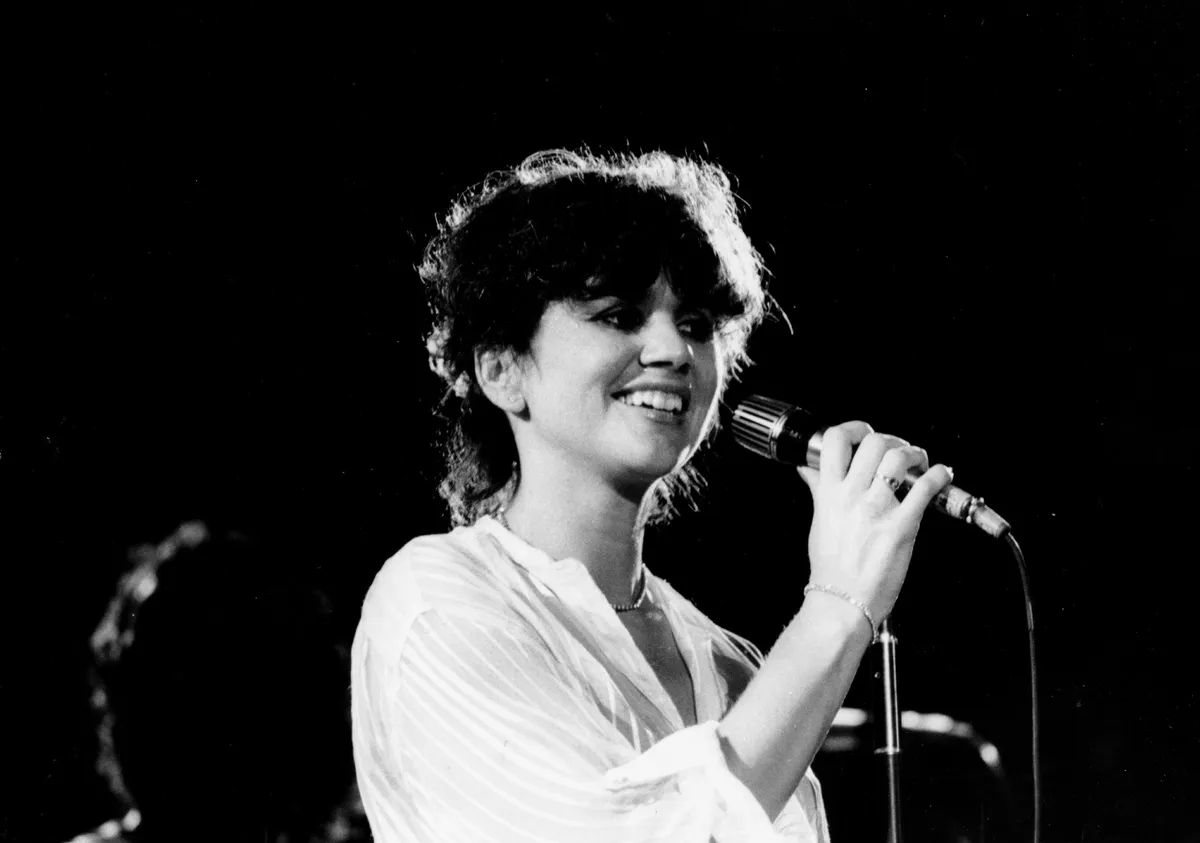
A fast, shining record with a wounded heart, “When Will I Be Loved” showed how Linda Ronstadt could turn an old ache into one of 1975’s most unforgettable chart milestones.
By the time Linda Ronstadt took “When Will I Be Loved” to No. 2 on the Billboard Hot 100 in 1975, something important had already become clear: this was no passing hitmaker catching a lucky season. The song, released from her breakthrough album Heart Like a Wheel, also reached No. 1 on Billboard’s Hot Country Singles chart, and it arrived at exactly the right moment in her career. Heart Like a Wheel itself would climb to No. 1 on the Billboard 200, confirming that Ronstadt had found a way to unite pop, country, rock, and emotional truth in a voice that felt both effortless and deeply lived in.
That chart run matters because “When Will I Be Loved” was not a brand-new composition written to fit the trends of the mid-1970s. It was a song with history. Written by Phil Everly and first recorded by The Everly Brothers in 1960, the original had already been a major hit, reaching No. 8 on the pop chart. But Ronstadt did not treat it like a museum piece. She treated it like a song still breathing. Under the production of Peter Asher, her version kept the urgency of the original while giving it a brighter attack, a tougher pulse, and a distinctly 1970s California sheen. The result was a cover that honored the past without sounding trapped inside it.
What makes Ronstadt’s version so enduring is the contradiction at its center. The record moves quickly, almost joyfully at first glance, but the lyric is full of fatigue and emotional bruising. “I’ve been made blue, I’ve been lied to” is not the language of passing disappointment. It is the sound of someone who has reached the end of excuses. In Ronstadt’s hands, the title question does not feel dreamy or passive. It feels sharpened by experience. She sings it with lift, but not innocence; with clarity, but not coldness. That balance was one of her greatest gifts. She could sound radiant and wounded in the same breath.
There is also something especially revealing about where this single sat within the story of Heart Like a Wheel. The album had already produced the chart-topping “You’re No Good”, which gave Ronstadt her first No. 1 pop single. That alone would have been enough to mark the record as a breakthrough. But “When Will I Be Loved” proved the success was not built on one dramatic moment. It showed range. It showed taste. It showed that Ronstadt could move from a darker, moodier song like “You’re No Good” to an older rock-and-roll number and make both feel equally personal. In that sense, the No. 2 peak was not merely a statistic. It was evidence of artistic command.
The album surrounding it remains one of the strongest of its era. Heart Like a Wheel, released in late 1974, brought together material from different corners of American songcraft: country sorrow, pop elegance, folk intimacy, and rock energy. Ronstadt had spent years building toward this moment, recording fine albums and earning respect, but this was the record that finally matched her talent with mass recognition. For many listeners, “When Will I Be Loved” became one of the album’s great signatures because it compressed so much of what made her special into a little over two minutes: precision, hunger, melody, and heartache that never had to be overstated.
The meaning of the song has always lived in that tension between motion and pain. It is easy to hear it as a simple lament about unreliable love, but Ronstadt deepened it into something more resilient. Her performance suggests a woman who has stopped being surprised by disappointment. The hurt is there, yes, but so is a rising self-respect. She is not pleading in the dark. She is standing in the light, asking a question that now carries judgment with it. That emotional shading may be the real reason the record connected so strongly in 1975. It sounded familiar enough to welcome everyone in, yet sharp enough to say something new.
And that is the deeper story behind the chart milestone. When Linda Ronstadt carried “When Will I Be Loved” to No. 2 pop, she was doing more than reviving an old favorite. She was redefining what a great interpreter could do in mainstream American music. She showed that a singer did not need to write the song to reveal something elemental inside it. She only needed to understand where the wound was, and how much strength it took to sing through it without blinking.
Nearly half a century later, the record still feels alive for the same reasons it broke through in the first place. The beat still moves. The hook still lands. But above all, the voice still tells the truth. “When Will I Be Loved” remains one of those rare hit singles that sounds bigger with time, not smaller. In 1975 it was a triumph on the charts. Today it feels like a defining statement from an artist who knew how to make vulnerability sound brave.
