In a crowded radio year, a mother and daughter made tenderness sound newly powerful.
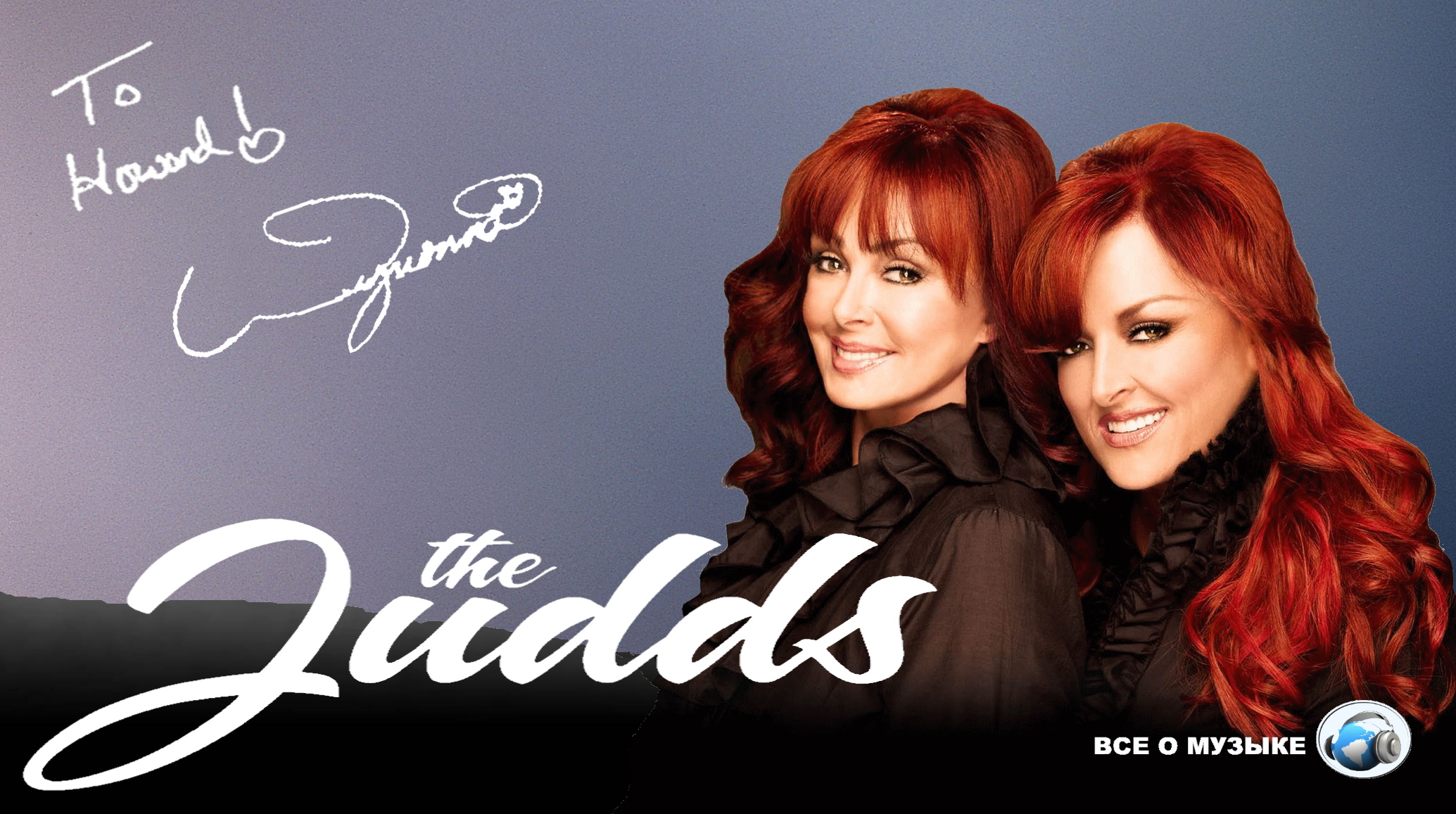
In 1984, The Judds reached No. 1 on the country chart with “Mama He’s Crazy”, the first chart-topping single of their career and the record that announced their family harmony as something country radio could recognize instantly. Written by Kenny O’Dell and produced by Brent Maher, the song appeared during the early RCA/Curb period that introduced Naomi Judd and Wynonna Judd not only as a new duo, but as a new emotional shape in mainstream country music: a mother and daughter singing as if the kitchen table, the front porch, and the radio speaker all belonged to the same room.
The song’s premise is simple enough to feel almost conversational. A young woman tells her mother that she has found a man who loves her with unusual steadiness. The title phrase, “Mama He’s Crazy”, is not a warning but a wonder: he is “crazy” in the sense of being devoted, unexpectedly gentle, and unlike what she has known before. In another singer’s hands, the lyric might have become merely sweet. With The Judds, it becomes a small family drama of trust. The daughter is not making a speech to the world; she is carrying news home.
That distinction is where the record finds its lasting character. Wynonna takes the lead with a voice that already sounds older than the lyric’s innocence. Her tone has grain and confidence, but she does not crowd the song. She lets phrases settle, especially when the melody leans into reassurance rather than display. Behind and around her, Naomi adds the high harmony that would become one of the duo’s signatures. It is not decorative in the usual sense. It feels like the mother’s presence built into the music itself: close, watchful, and warm without being intrusive.
The arrangement supports that intimacy. Instead of dressing the song in heavy drama, the record keeps the musical frame clean and acoustic-minded, with a gentle country pulse and enough open space for the voices to define the atmosphere. The production is polished, but it does not harden the edges. The instruments seem to move around the singers rather than push them forward. That restraint matters because the story depends on emotional scale. This is not a grand confession delivered under bright lights; it is a private confidence shaped for public listening.
Country music has long made room for family voices, but the mother-daughter relationship at the center of The Judds gave “Mama He’s Crazy” a particular kind of credibility. The lyric addresses “Mama,” and the harmony answers from inside that word. Listeners did not need a biography lesson to feel the design. The record’s emotional logic was audible. When Wynonna sang of being loved carefully, Naomi’s harmony suggested the listening mother, the protective past, and the blessing that does not have to be spoken outright.
The timing also helped the song stand apart. In the early 1980s, country radio held a wide mix of pop-country smoothness, traditional memory, and new voices looking for a different way through. The Judds arrived with a sound that could be modern without abandoning rural textures. Their harmonies carried traces of gospel, bluegrass, and Appalachian family singing, but their records were crafted with the clarity of contemporary Nashville. “Mama He’s Crazy” did not reject polish; it softened it. The result was accessible enough for radio and intimate enough to feel hand-carried.
Its success gave the duo more than a hit. It established a grammar for what listeners would come to expect from them: plainspoken songs, close harmony, acoustic warmth, and an emotional center built around women speaking to one another with candor. Later singles would show more swing, humor, heartbreak, and strength, but “Mama He’s Crazy” provided the first defining image. It presented love not as conquest or escape, but as something worth reporting back to the person who knew you before the world did.
The song also won The Judds their first Grammy Award, for country performance by a duo or group with vocal, a recognition that confirmed what country listeners had already heard. Yet awards are not the reason the recording remains tender. Its endurance comes from the balance between innocence and assurance. The lyric believes in good love, but the vocal does not sound naïve. Wynonna sings as someone surprised by kindness; Naomi harmonizes as someone who understands why that surprise matters.
Heard decades later, “Mama He’s Crazy” still feels modest in the best sense. It does not strain to be monumental. It trusts a small scene: a daughter, a mother, a confession, a melody that knows when to lean close. That trust is what made the recording a beginning. Before the larger fame, before the long list of hits, there was this careful piece of family harmony, offering country music a sound in which affection could be both delicate and strong. Sometimes a career begins not with thunder, but with two related voices proving how much tenderness can carry.
