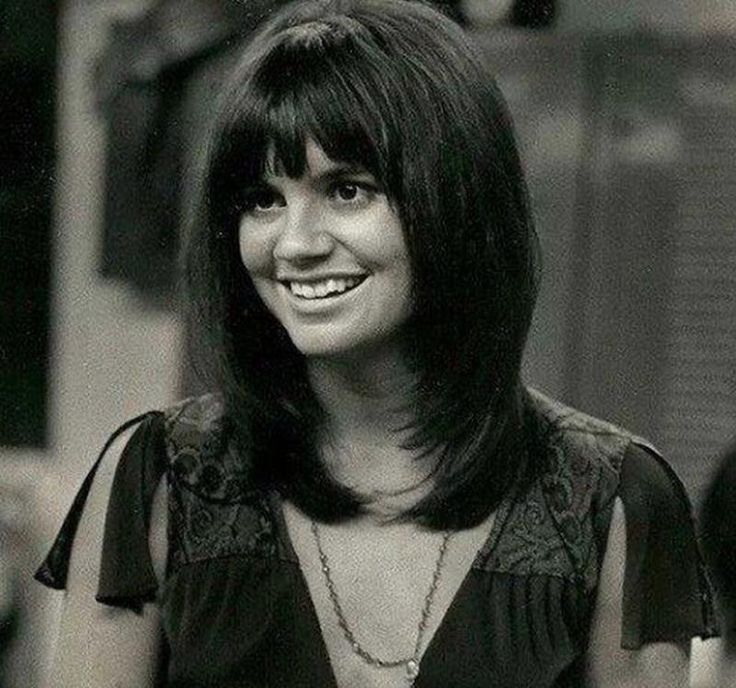
In Linda Ronstadt’s hands, “Someone to Watch Over Me” becomes a tender act of trust—a classic love song reborn as a quiet confession of longing, grace, and emotional maturity.
When Linda Ronstadt recorded “Someone to Watch Over Me” for her 1983 album What’s New, she was doing far more than revisiting an old standard. She was stepping away from the powerful country-rock identity that had made her one of the biggest voices of the 1970s and walking directly into the elegant, exposed world of the Great American Songbook. It was a bold move at the time, even a risky one. Yet that risk became one of the most graceful reinventions of her career. Although “Someone to Watch Over Me” was not a major standalone chart single, the album that carried it, What’s New, climbed to No. 3 on the Billboard 200, proving that listeners were more than willing to follow her into a more intimate and timeless musical space.
The song itself already had a remarkable history long before Ronstadt touched it. Written by George Gershwin with lyrics by Ira Gershwin, “Someone to Watch Over Me” was introduced in the 1926 Broadway musical Oh, Kay! by Gertrude Lawrence. Over the decades it became one of the defining standards of American popular music, interpreted by countless singers, each bringing a different shade of loneliness, hope, or romantic yearning. What makes Ronstadt’s version stand apart is not theatricality, and not vocal ornament for its own sake. It is restraint. She does not oversell the ache in the lyric. She simply lets it breathe.
That choice mattered. By 1983, many artists from Ronstadt’s generation were trying to keep pace with changing radio trends, louder production, and the polished urgency of pop. Ronstadt did something almost radical instead: she slowed the room down. Working with the legendary arranger Nelson Riddle, she built What’s New around atmosphere, phrasing, and emotional honesty. Riddle, of course, had already shaped classic recordings with Frank Sinatra, Nat King Cole, and Ella Fitzgerald. His arrangements carried history in their bones. But what made this partnership so moving was that Ronstadt never sounded like she was imitating an earlier era. She sounded like herself—only deeper, softer, and perhaps even more vulnerable.
In “Someone to Watch Over Me”, that vulnerability is everything. The lyric is deceptively simple: a plea for companionship, protection, and the kind of love that steadies a life. In lesser hands, the song can become merely wistful. In Ronstadt’s interpretation, it feels reflective, almost hard-won. She sings as if she understands that asking to be loved is not childish at all; it is one of the bravest things a person can do. There is a stillness in her voice here, but it is not emptiness. It is emotional control. It is the sound of someone who knows the difference between grand romance and genuine shelter.
That is one reason the recording still resonates. The song’s meaning changes as life changes. In youth, it can sound like a dreamy wish. In Ronstadt’s performance, it sounds more layered than that. It becomes a meditation on the human desire to be seen, chosen, and cared for without spectacle. Her phrasing avoids melodrama, and because of that, every small inflection lands with more force. She does not reach for the lyric. She trusts it. And that trust is exactly what pulls the listener closer.
There is also something deeply moving about where this performance sits in Ronstadt’s larger story. This was not the work of an artist with nothing to lose. By the time What’s New arrived, Linda Ronstadt had already conquered rock, country-rock, and pop. She could have stayed safely within the style that made her famous. Instead, she chose material that demanded subtlety over force, patience over immediacy, and emotional shading over radio impact. That artistic courage is part of what gives “Someone to Watch Over Me” its lasting glow. You can hear the discipline behind it, but you can also hear affection—her genuine love for this music and for the era that shaped it.
The arrangement by Nelson Riddle deserves special attention as well. It surrounds Ronstadt with elegance, but never buries her. The orchestra moves with quiet sophistication, framing the melody rather than pressing it. There is space in the recording, and that space becomes emotional room. It allows the words to linger. It allows memory to enter. Listening now, one can almost feel the old divide between popular song and personal memory disappear. The track does not just recall an earlier American songbook tradition; it reminds us why that tradition mattered in the first place.
If there was ever any doubt about Ronstadt’s ability to inhabit this repertoire, “Someone to Watch Over Me” answered it with uncommon grace. She did not storm the standard. She listened to it, lived inside it, and returned it to the world with a fresh tenderness. That may be why the performance still feels so intimate decades later. It is not trying to dazzle history. It is simply trying to tell the truth in a beautiful way.
And perhaps that is the deepest meaning of Ronstadt’s version. Beneath the polished arrangement, beneath the Gershwin pedigree, beneath the reputation of What’s New as a landmark career turn, there is a simple emotional core: the hope that somewhere in this wide and restless world, there is still kindness, still devotion, still someone willing to watch over us. Few singers have delivered that hope with such poise. Fewer still have made it sound so personal.
